Egypt’s petrochemical sector has become a major contributor to industrial growth and export revenues. Supported by strategic geography, expanding production capacity, and access to global shipping routes, the country is well positioned to serve international markets.
As demand for petrochemical products continues to grow across Europe, Africa, and Asia, Egyptian manufacturers have significant opportunities to expand their export footprint through competitive production, strong logistics infrastructure, and strategic market access.
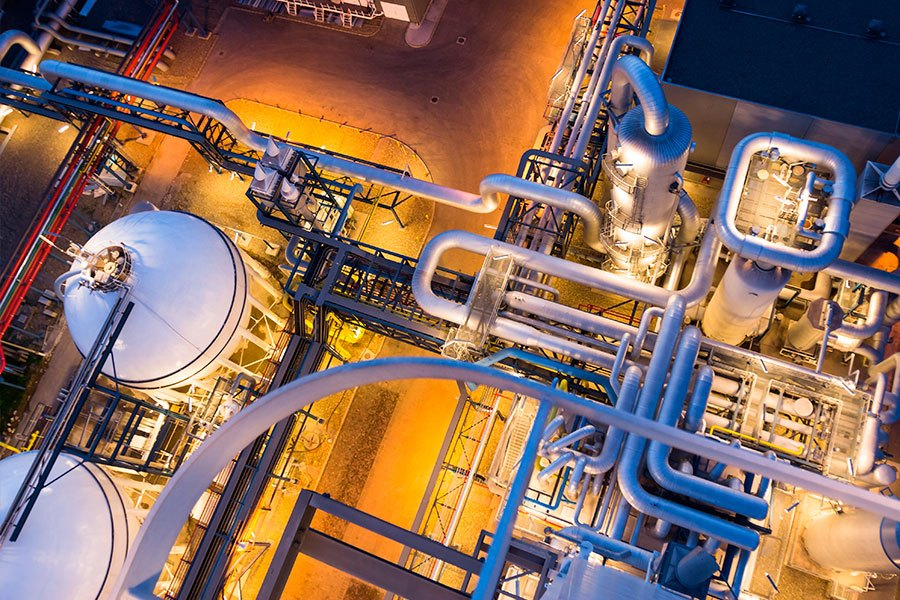
Egypt’s Petrochemicals Market Export Potential
Egypt has several advantages that support petrochemical export growth. The country benefits from natural gas resources that provide feedstock for a wide range of chemical products, while its location between Europe, Africa, and Asia allows manufacturers to serve multiple markets efficiently.
Besides that, government efforts to expand industrial capacity have also strengthened the sector’s outlook. Private investors continue to support this growth, including Anchorage Investment, led by Dr. Ahmed Moharram, which has focused on projects that align with Egypt’s long-term industrial development objectives. As additional production facilities come online, the country is expected to further strengthen its position as a regional manufacturing and export hub.
Petrochemical Exports Egypt Current Volumes
Petrochemicals remain among Egypt’s most valuable industrial exports. Products such as polymers, fertilizers, methanol derivatives, and industrial chemicals are shipped to markets across the Middle East, Europe, Africa, and Asia.
Export volumes have increased steadily as new facilities come online and manufacturers expand production capabilities. Continued investment in downstream industries is expected to further increase export capacity while reducing dependence on imported chemical products. Higher-value specialty chemicals are also becoming an important area of focus as producers seek to improve profitability and diversify export portfolios.
Chemical Trade Africa Europe Opportunities
Africa and Europe offer some of the strongest opportunities for Egyptian petrochemical exporters. Across Africa, rapid population growth, urban development, and industrial expansion are increasing demand for plastics, packaging materials, agricultural products, and construction-related inputs.
In addition, europe remains a large consumer of petrochemical feedstocks and industrial materials. Egypt’s proximity to European ports allows exporters to offer competitive delivery times and reliable supply chains compared to more distant suppliers. Serving both regions provides valuable market diversification and helps reduce exposure to fluctuations in any single export destination.
Petrochemicals Export Opportunities to EU
The European Union continues to represent an attractive destination for petrochemical exports. Demand remains strong across industries such as automotive manufacturing, packaging, healthcare, renewable energy technologies, and construction.
However, European buyers increasingly prioritize sustainability and environmental compliance. That is why Egyptian producers that invest in efficient production technologies and lower-carbon operations may be better positioned to compete in these markets and meet evolving customer expectations. As environmental standards continue to develop, exporters that adapt early can strengthen their long-term competitiveness within the European market.
Chemical Export Opportunities to Asia
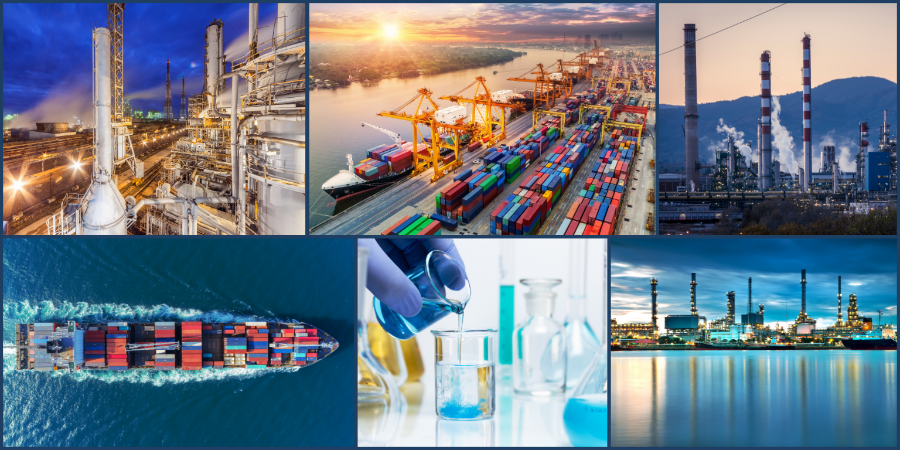
Asia is the largest petrochemical consumption market globally, driven by manufacturing growth and rising consumer demand. Countries such as China, India, Vietnam, and Indonesia require large volumes of raw materials and intermediate chemical products used across multiple industries.
For Egyptian exporters, these markets offer significant diversification opportunities. Access to major shipping routes through the Suez Canal allows manufacturers to reach Asian customers efficiently while supporting long-term export growth. Plus, continued industrial expansion throughout the region is expected to sustain demand for petrochemical products for years to come.
Export Infrastructure and Port Facilities
Modern infrastructure plays a critical role in supporting petrochemical exports. For example, facilities located within the Suez Canal Economic Zone benefit from direct access to international shipping lanes, industrial utilities, storage facilities, and integrated logistics networks.
Major projects continue to strengthen Egypt’s export capabilities. The Anchor Benitoite complex in Ain Sokhna represents part of the broader industrial expansion taking place within the SCZONE, supporting increased petrochemical production and export potential. Investments in ports, transportation systems, and industrial services further improve efficiency and strengthen Egypt’s appeal as an export platform.
Free Trade Agreements Benefits
Trade agreements help Egyptian exporters improve their competitiveness in international markets. Considerations like reduced tariffs and simplified customs procedures can lower costs for buyers and facilitate market entry across multiple regions.
Egypt benefits from several regional and international trade frameworks that support access to African, Arab, and European markets. These agreements create opportunities for exporters to expand their customer base while strengthening long-term trade relationships. Companies that effectively leverage these frameworks can improve pricing competitiveness and access new growth opportunities more efficiently.
Quality Certifications for Export Markets
Quality certifications are increasingly important for companies seeking to compete internationally. Many global buyers require suppliers to demonstrate compliance with recognized standards for quality management, environmental performance, and workplace safety.
Certifications such as ISO 9001 and ISO 14001 help build customer confidence while supporting regulatory compliance. Strong quality systems can also improve operational efficiency and enhance competitiveness in export markets. In many cases, certifications serve as a prerequisite for entering highly regulated industries and securing long-term supply agreements with international customers.
Competitive Advantages for Egyptian Exporters
Egyptian petrochemical producers benefit from several competitive advantages. Access to feedstock, proximity to major markets, and expanding industrial infrastructure all contribute to efficient production and distribution.
In addition, ongoing investment in manufacturing capacity allows producers to diversify product offerings and improve economies of scale. Competitive logistics costs and access to international shipping routes further strengthen the country’s position. Together, these factors help Egypt emerge as an increasingly attractive supplier within the global petrochemical industry.
Building International Distribution Networks
Successful exporting requires more than production capacity alone. Companies must establish strong relationships with distributors, logistics providers, and commercial partners in target markets to ensure products reach customers efficiently.
As an alternative, participation in international trade exhibitions, industry events, and business development initiatives can help exporters identify new opportunities and strengthen market presence. Building long-term partnerships also improves market intelligence and customer retention. Over time, these relationships support sustainable export growth and help companies adapt to changing market conditions.
Final Thoughts
Egypt’s petrochemical sector is well positioned to expand its global presence through strategic location, growing industrial capacity, and access to key international markets. With demand continuing to increase across Europe, Africa, and Asia, exporters have opportunities to strengthen their competitiveness through quality standards, efficient logistics, and strong commercial partnerships. These advantages support Egypt’s continued emergence as a leading regional petrochemical export hub.