Egyptian industrial zones are increasingly attracting global attention as strategic destinations for petrochemical investment. Petrochemicals are chemical compounds derived from petroleum and natural gas and are essential for producing everyday goods such as plastics, fertilizers, packaging materials, and industrial chemicals.
As global demand for these materials grows, investors are looking for locations that offer infrastructure, regulatory support, and market access. In this article, we are going to discuss how Egyptian industrial zones provide many of these advantages, positioning the country as a competitive hub for petrochemical manufacturing and export-oriented industry.
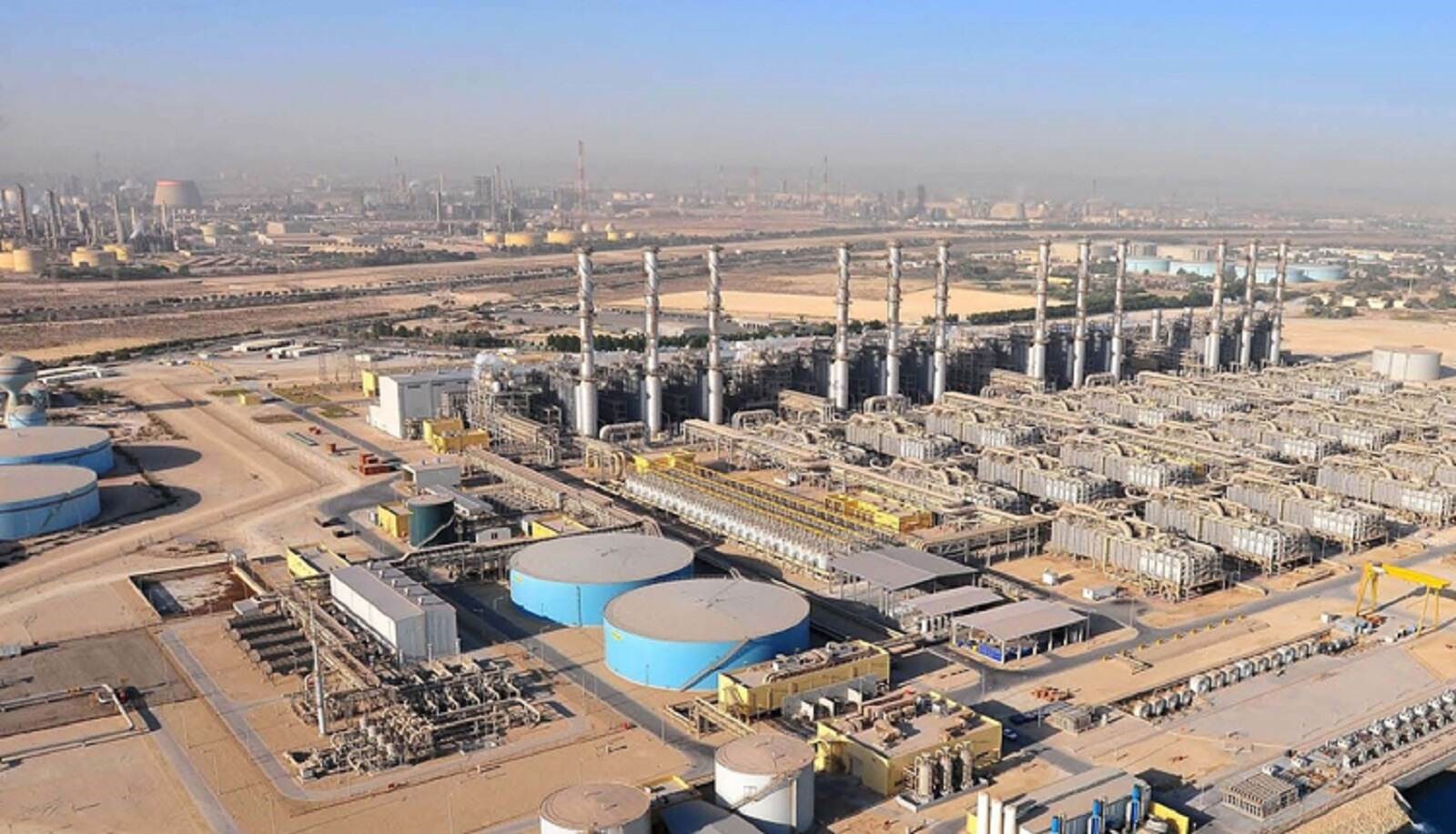
Overview of Egypt’s Special Economic Zones
Egypt has established several special economic zones designed to accelerate industrial development and attract international investment. The most prominent is the Suez Canal Economic Zone (SCZone), strategically located along one of the world’s most important maritime routes.
The SCZone includes four major industrial areas, supported by six ports: Ain Sokhna, East Port Said, Qantara West, and East Ismailia. These locations provide direct access to global shipping lanes, making them ideal for export-oriented petrochemical manufacturing and large-scale industrial operations.
Tax Incentives and Investment Benefits
Financial incentives play a major role in attracting petrochemical projects to Egyptian industrial zones. Companies operating within the Suez Canal Economic Zone benefit from competitive corporate tax rates that are significantly lower than those in many global manufacturing hubs.
Besides that, investors may also receive deductions on investment costs ranging from 30% to 50%, depending on project location and strategic importance. Free zones provide additional advantages such as customs duty exemptions on imported equipment and raw materials, along with zero value-added tax on exports. These policies improve project economics and enhance the competitiveness of petrochemical manufacturing in Egypt.
Infrastructure Availability and Quality
Large-scale petrochemical projects require reliable infrastructure, and Egypt’s industrial zones are designed to support complex manufacturing operations. The Suez Canal Economic Zone benefits from extensive logistics networks connecting industrial regions across the country.
Major highways link the Nile Delta, Upper Egypt, and the Sinai Peninsula, allowing efficient transportation of raw materials and finished products. Industrial areas also have direct access to major ports such as Ain Sokhna, enabling manufacturers to export products quickly to international markets.
In addition, stable electricity supply, water infrastructure, and modern telecommunications systems further strengthen the operating environment for petrochemical facilities.
Regulatory Streamlining for Investors
Egypt has implemented several regulatory reforms to simplify investment procedures and accelerate industrial development. One of the most significant improvements is the centralized one-stop-shop licensing system within the Suez Canal Economic Zone.
This allows investors to manage permits, registrations, and customs documentation through a single authority. As a result, approval timelines for new projects are significantly reduced.
Another reform is the Golden License initiative, which provides fast-track approvals for strategic investment projects. These measures demonstrate Egypt’s commitment to improving the investment climate for industrial development.
Access to Skilled Workforce
Egypt offers a large and competitive workforce that supports industrial expansion. The country’s population includes a significant number of engineers, technicians, and skilled workers trained in manufacturing, chemicals, and industrial operations.
Beyond that, government investments in technical education and vocational training programs are helping strengthen workforce capabilities in sectors such as petrochemicals, logistics, and advanced manufacturing.
Combined with competitive labor costs, this skilled workforce provides a strong advantage for companies seeking to establish large-scale petrochemical production facilities in Egypt.
Proximity to European and Asian Markets
One of Egypt’s greatest advantages for petrochemical investment is its geographic location. The country sits at the crossroads of global trade routes connecting Europe, Asia, Africa, and the Middle East.
The Suez Canal handles approximately 12% of global maritime trade, providing direct access to international shipping lanes. This location enables manufacturers in Egyptian industrial zones to serve multiple regional markets efficiently.
For petrochemical producers, the proximity reduces shipping times, lowers transportation costs, and enhances supply chain efficiency for export-oriented production.
Energy and Utilities Cost Competitiveness
Energy availability is a critical factor for petrochemical manufacturing, which requires reliable and affordable power supplies. Because of that, Egypt has invested heavily in expanding electricity generation capacity and modernizing its national energy infrastructure.
Industrial zones benefit from stable power supply, reliable water systems, and modern utility networks. These improvements reduce operational risks and support continuous industrial production.
At the same time, Egypt is expanding renewable energy projects, including large solar and wind installations in the Suez region. These developments provide sustainable energy options for energy-intensive industries such as petrochemicals.
Land Allocation Processes
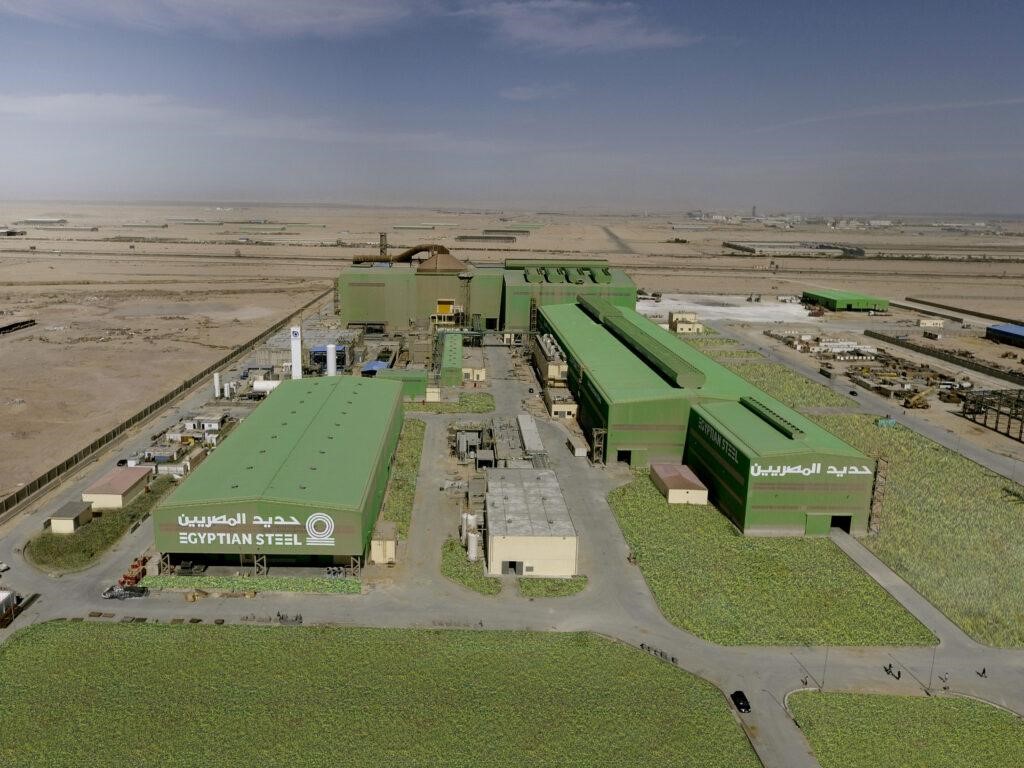
Beyond the SCZone, Egypt operates nine public free zones located in key industrial cities such as Alexandria, Port Said, Suez, and Damietta. These zones are designed to encourage export-focused production and international manufacturing partnerships.
Another important initiative is the Golden Triangle Economic Zone in Upper Egypt. This project integrates mining, industrial, and commercial activities to support resource-based manufacturing. Together, these zones create a nationwide industrial network that strengthens Egypt’s ability to attract petrochemical investors seeking integrated value chains.
Export Facilitation and Customs Procedures
Egypt has introduced digital systems that simplify customs procedures and support export-focused industries. The Nafeza National Single Window platform allows companies to submit import and export documentation electronically.
Another initiative, the Advanced Cargo Information Declaration (ACID) system, requires submission of shipment information before cargo arrives at ports. This improves transparency and speeds up customs clearance.
Companies operating within free zones benefit from additional customs exemptions and simplified procedures, helping petrochemical manufacturers maintain efficient international supply chains.
Success Stories of Petrochemical Investments in Egypt
The advantages offered by Egypt’s industrial zones have already attracted significant petrochemical investments. One of the largest developments is the Ain Sokhna Petrochemical Complex, valued at approximately $7.5 billion.
The project aims to produce plastics and polyester on a large scale, supporting exports while reducing reliance on imported petrochemical products. Other investments within the Suez Canal Economic Zone include specialized chemical facilities and emerging green fuel projects.
On top of that, private sector participation continues to expand the sector. Industrial players such as Anchorage Investments, led by Dr. Ahmed Moharram are among those contributing to projects that strengthen Egypt’s manufacturing ecosystem and expand petrochemical production capacity.
Final Thoughts
Egyptian industrial zones offer strong advantages for petrochemical investment, including strategic location, modern infrastructure, competitive incentives, and streamlined regulations.
As global demand for petrochemical materials continues to grow, these zones are likely to attract increasing investment and strengthen Egypt’s role as a regional hub for industrial manufacturing and export-oriented production.