Egypt has become an increasingly important destination for international capital seeking access to the Middle East, Africa and Mediterranean markets. Its appeal combines a large domestic economy, strategic shipping routes, established industrial infrastructure and an expanding framework of investment incentives. Recent reforms have also focused on simplifying incorporation, licensing and investor services.
The opportunity, however, needs to be assessed with equal attention to regulation, foreign-exchange conditions, sector-specific incentives and execution risks. For international investors considering Egypt in 2026, understanding how the investment framework works is therefore just as important as identifying attractive sectors.
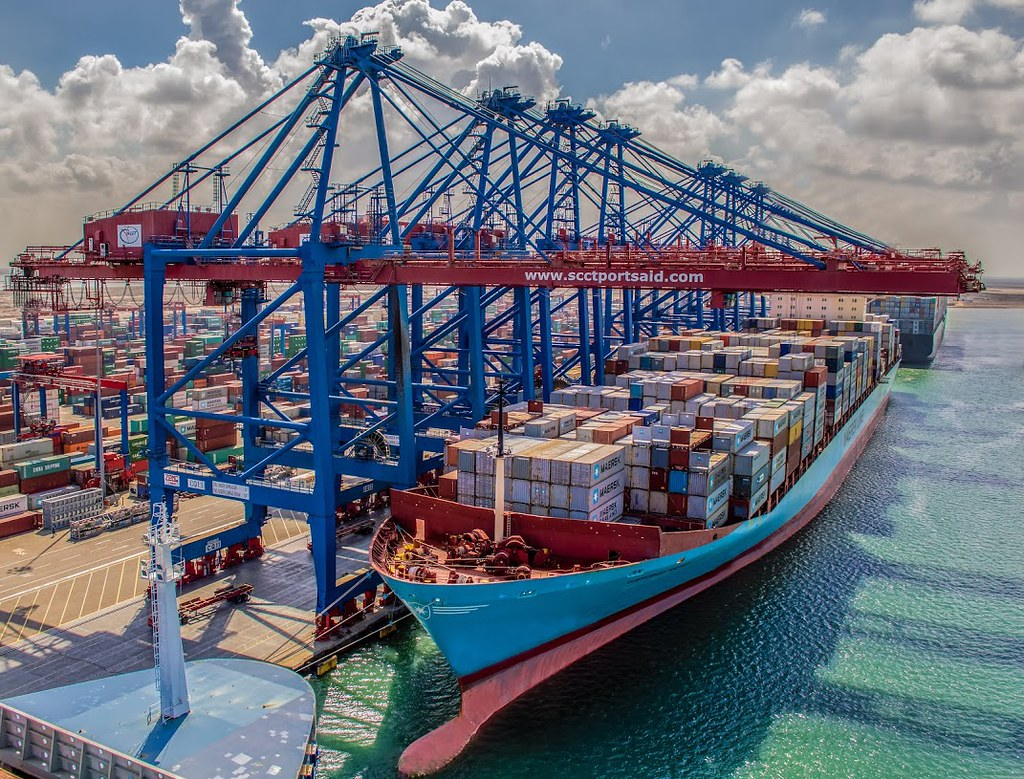
Egypt’s Investment Climate in 2026: Legal Framework and Incentives
Egypt’s primary investment framework is Investment Law No. 72 of 2017, together with subsequent amendments. The law establishes guarantees for investment projects while providing general, special and additional incentives depending on the activity, location and development impact of a project.
General incentives include a unified 2% customs duty on imported equipment, machinery and devices required to establish companies and projects. Special incentives can provide deductions from investment costs, reaching 50% in designated Sector A areas and 30% in Sector B areas, subject to the law’s conditions. Additional incentives can include infrastructure support and partial refunds of land costs for qualifying industrial projects.
FDI Trends in Egypt: Sector-by-Sector Breakdown
Egypt recorded $46.6 billion in inward FDI in 2024, a 373% increase from 2023. The exceptional result was largely associated with the Ras El-Hekma investment, making the headline figure unsuitable as a standalone measure of recurring FDI performance.
The underlying sectoral picture is more informative. OECD analysis found that construction represented 49% of FDI inflows in 2023–2024, followed by oil at 14%, finance at 7% and ICT at 3%. Manufacturing also remains strategically important, while renewable energy and digital activities have attracted an increasing share of greenfield investment.
How to Set Up a Private Investment Vehicle in Egypt
Foreign investors generally establish an Egyptian legal entity appropriate to their intended activity, commonly a limited liability company or joint-stock company under Companies Law No. 159 of 1981. The legislation regulates incorporation, capital, management, profit distribution and dissolution.
For a project involving multiple investors, financing partners or a defined industrial asset, the structure should be selected alongside tax, financing, ownership and exit considerations. Investors must also confirm whether the intended activity requires sector-specific approvals or ownership conditions.
Free Zones vs. Investment Zones: Choosing the Right Structure
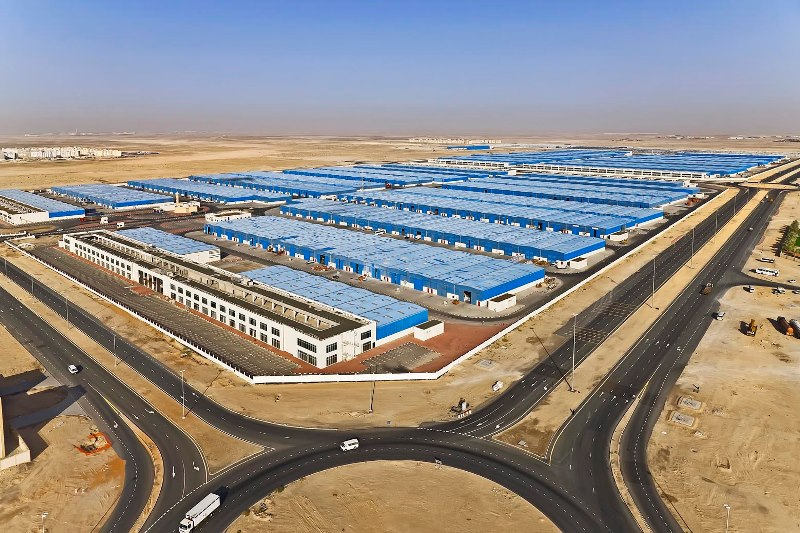
Free zones are particularly relevant to export-oriented businesses. Egypt currently has nine public free zones, alongside private free-zone arrangements designed for projects whose location or operating model justifies a dedicated structure. Free zones provide customs and trade advantages and are particularly suited to businesses importing inputs and exporting finished products.
Investment zones follow a different model. They are established by Prime Ministerial decree and provide integrated environments for particular sectors or activities, with centralized administration and licensing facilitation.
The right choice depends on the project’s priorities. Export-heavy manufacturers may favor a free-zone structure, while companies seeking an integrated industrial location and broader domestic-market access may find an investment zone more suitable.
Egypt’s Investment Law: Guarantees and Protections for Foreign Capital
Investment Law No. 72 provides several protections intended to give foreign investors greater certainty. These include equal treatment principles, protection of investment projects, fair competition provisions and safeguards for property and project operations. The law also recognizes investors’ freedom to transfer profits abroad.
Investors can finance and expand projects with foreign capital in foreign currency, while eligible projects can import necessary equipment, raw materials and production inputs through streamlined procedures. Foreign investors can also obtain residency for the duration of the project’s operation, subject to applicable rules.
Currency, Profit Repatriation, and Capital Controls for Investors
Foreign-exchange conditions remain one of the most important considerations when assessing Egypt. The Central Bank has maintained a flexible, market-determined exchange-rate framework, with the IMF reporting in 2026 that Egypt had not introduced new exchange restrictions or multiple-currency practices inconsistent with its commitments.
At the same time, currency volatility remains a material investment risk. The IMF reported significant exchange-rate movements during 2026 as external shocks affected capital flows.
Public-Private Partnerships in Egypt’s Industrial Sector
Egypt’s PPP framework provides another route for international investors, particularly where industrial development intersects with infrastructure and public services. Law No. 67 of 2010, subsequently amended by Law No. 153 of 2021, regulates long-term contractual partnerships between government entities and private-sector companies.
Under the model, private partners can undertake functions including design, financing, construction, operation and maintenance, while the state retains strategic control and ultimately receives ownership of the relevant infrastructure under the contractual framework.
Risk Assessment Checklist for First-Time Investors in Egypt
International investors should assess five areas before committing capital:
- Regulation: Confirm licensing, ownership, environmental and sector-specific requirements.
- Currency: Model exchange-rate scenarios and the currency composition of revenues, debt and operating costs.
- Infrastructure: Evaluate electricity, water, gas, transport, port access and industrial land availability.
- Supply chains: Assess local supplier capability and the feasibility of importing critical inputs.
- Exit and repatriation: Establish clear procedures for dividends, financing flows and eventual capital exit.
Egypt vs. Regional Peers: Comparing MENA Investment Destinations
Egypt competes with destinations such as the UAE, Saudi Arabia and Morocco, but each offers a different investment proposition.
Egypt’s distinctive advantage lies in the combination of its large domestic market, industrial workforce, Suez Canal connectivity and access to African, Arab and European markets. For manufacturing and export-oriented projects, these factors can be more important than headline FDI volumes alone.
Case Studies: Successful Foreign Investments in Egyptian Industry
A significant example from Egypt’s industrial investment landscape is Anchorage Investments, led by Dr. Ahmed Moharram. The company is developing Anchor Benitoite, a petrochemical project in Suez designed to produce 1.75 million tonnes annually of petrochemical products and intermediates, with planned investment close to $2 billion. Its location reflects the importance investors place on port connectivity, industrial infrastructure and access to regional export markets.
Final Thoughts
Egypt’s investment proposition is built on more than incentives. Its geographic position, industrial base, domestic market and expanding export infrastructure create a platform for investors seeking regional scale.
The strongest opportunities are likely to emerge where these advantages align with disciplined project structuring, strong local partnerships and careful management of regulatory and currency risks. For international capital, Egypt is therefore best viewed not simply as a low-cost market, but as a potential manufacturing, energy and export platform connecting Africa, the Middle East and Europe.