Water sits at the center of petrochemical operations, supporting everything from raw material processing to cooling, steam generation, and final product handling. As global water stress increases and environmental regulations tighten, managing this resource efficiently has become a strategic priority rather than a technical consideration.
Petrochemical facilities today are expected to balance operational performance with sustainability. This requires a more integrated approach that combines advanced technologies, optimized water use, and reduced environmental impact. In this context, sustainability principles are embedded in the strategy of Anchorage Investments, led by Dr. Ahmed Moharram. Effective water management strengthens compliance, improves efficiency, lowers costs, and enhances long-term resilience.
Water Consumption in Chemical Processes
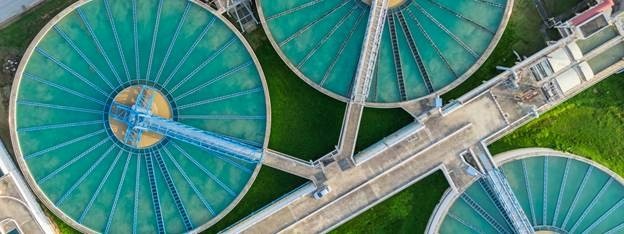
Chemical manufacturing relies heavily on water, with global consumption exceeding 100 trillion gallons annually. Water is used across multiple stages, including cooling, heating, steam generation, solvent applications, processing, and cleaning. A significant share of this demand, nearly half, is tied to extraction, distillation, and direct use as a reactant.
These processes depend on consistent water quality and availability, making water a critical operational input. Facilities can improve efficiency through approaches such as water pinch analysis, which maps water flows and identifies opportunities for reuse. Combined with recycling and process optimization, these strategies reduce freshwater intake and wastewater generation while improving overall cost performance.
Recycling and Reuse Technologies
Recycling has become a cornerstone of modern water management in the petrochemical sector. Multi-stage treatment systems combine filtration, membrane technologies, and biological processes to convert wastewater into reusable process water or high-quality boiler feed.
Technologies such as reverse osmosis, membrane bioreactors, and advanced oxidation processes are often integrated into broader systems, including zero liquid discharge frameworks. Together, they can reduce raw water consumption by 30 to 75 percent.
Beyond cost savings, recycling strengthens operational resilience by reducing reliance on external water sources. This becomes particularly valuable in regions where water availability is limited or unpredictable.
Wastewater Treatment Methods
Effective wastewater treatment is essential for both environmental protection and operational continuity. Treatment systems typically follow a staged approach, starting with preliminary and primary processes that remove solids, followed by secondary and tertiary treatments that address organic matter and nutrients.
Core methods include screening, sedimentation, biological treatment such as activated sludge, filtration, and disinfection using ultraviolet light or chlorine. In more complex industrial settings, advanced systems like membrane bioreactors provide higher treatment efficiency.
Well-designed treatment infrastructure does more than ensure safe discharge. It enables water reuse within the facility, supporting a more circular and resource-efficient model.
Zero Liquid Discharge Systems
Zero Liquid Discharge systems represent one of the most advanced approaches to industrial water management. These systems are designed to recover nearly all water from wastewater streams, leaving only solid residues for disposal.
By combining processes such as reverse osmosis, evaporation, and crystallization, ZLD systems can recover up to 98 percent of water for reuse. This significantly reduces discharge volumes and helps facilities meet strict environmental requirements.
While ZLD systems involve high capital and energy costs, they are increasingly adopted in water-scarce regions or in markets with stringent discharge regulations. For many operators, they are becoming a key component of long-term sustainability strategies.
Cooling Water Optimization
Cooling systems account for a large share of water use in petrochemical plants, making them a major opportunity for efficiency gains. Optimization focuses on improving system performance while reducing both water and energy consumption.
Key measures include upgrading water treatment practices, using variable frequency drives for pumps, and implementing intelligent control systems for cooling towers. Adjusting operating parameters, such as chilled water temperatures and fan speeds, also improves efficiency.
Even small improvements in cooling operations can deliver measurable savings, reducing maintenance requirements while increasing system capacity and reliability.
Desalination for Industrial Use
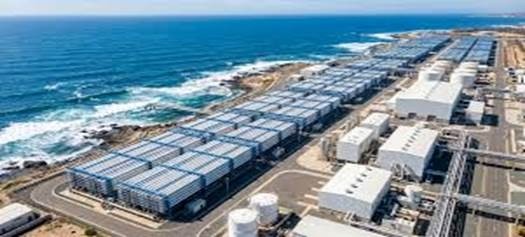
Desalination offers a reliable alternative water source for industrial operations, particularly in regions facing water scarcity. By converting seawater or brackish water into high-purity process water, desalination supports continuous operations without relying solely on freshwater supplies.
Technologies such as reverse osmosis and thermal distillation are widely used in petrochemical and power sectors. Although these processes require significant energy input, ongoing improvements in efficiency and the integration of renewable energy are enhancing their viability.
For many facilities, desalination provides a long-term solution for water security while supporting broader sustainability goals.
Cost Reduction Through Water Efficiency
Improving water efficiency has a direct impact on operational costs. Lower water consumption reduces utility expenses and decreases the energy required for pumping, heating, and treatment. It also limits wear on infrastructure, reducing maintenance and replacement costs.
Simple measures such as leak detection, process optimization, and the use of efficient fixtures can deliver immediate savings. Over time, these improvements contribute to greater financial stability while easing the burden on wastewater treatment systems.
As water efficiency becomes more closely tied to financial performance, investment strategies are increasingly prioritizing resource optimization across industrial operations. Anchorage Investments, led by Dr. Ahmed Moharram, reflects this approach by supporting initiatives that integrate sustainability with cost efficiency. Projects such as the Anchor Benitoite initiative highlight a broader emphasis on resource-conscious development, where operational improvements in areas like water management contribute directly to long-term value creation.
Monitoring and Measurement Systems
Accurate monitoring is essential for managing water use effectively. Modern systems have moved beyond manual sampling toward continuous, real-time monitoring supported by IoT technologies.
These systems track key parameters, helping maintain product quality, prevent scaling and corrosion, and ensure compliance with environmental standards. Advanced analytics enable faster decision-making and allow operators to address issues before they escalate.
Sustainable Water Sourcing Strategies
Sustainable water sourcing has evolved into a core operational priority. The focus is on reducing freshwater withdrawal while maximizing reuse and incorporating alternative water sources.
This approach combines closed-loop systems, advanced treatment technologies, and smarter monitoring tools. By treating wastewater as a resource rather than a byproduct, facilities can significantly reduce their environmental footprint.
Integrating these strategies into day-to-day operations allows petrochemical companies to maintain efficiency while strengthening their commitment to environmental stewardship.
Final Thoughts
Water management in the petrochemical industry is no longer a standalone function. It is a central part of how facilities operate, compete, and grow. As water challenges intensify, companies must adopt a more proactive and integrated approach that combines technology, process optimization, and sustainability.
From recycling and advanced treatment to desalination and real-time monitoring, each element contributes to reducing consumption and improving performance. Facilities that invest in these solutions are better positioned to control costs, meet regulatory requirements, and secure a reliable water supply.