As industries worldwide accelerate toward sustainability and carbon reduction, the petrochemical sector is undergoing major transformation to align with environmental and economic priorities. Egypt has emerged as one of the leading countries in the Middle East and North Africa pursuing a greener petrochemical industry through renewable energy integration, energy-efficient technologies, and circular economy strategies.
Through encouraging environmentally responsible investment and modernizing industrial operations, Egypt aims to build a competitive chemical industry capable of meeting both domestic and international demand while supporting long-term sustainability goals.
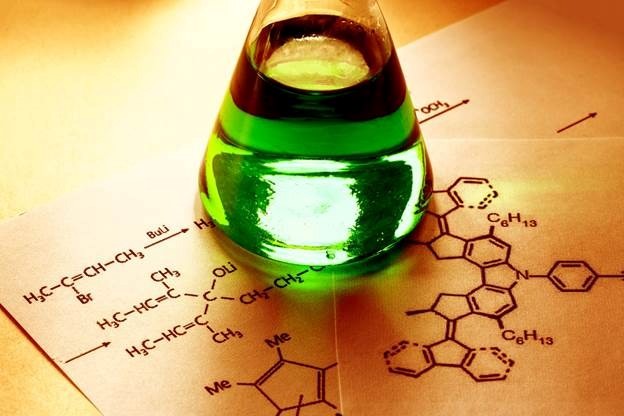
Sustainable Petrochemical Projects Egypt Initiatives
Egypt is actively transforming its petrochemical sector through initiatives focused on lowering carbon emissions, improving energy efficiency, and integrating cleaner energy sources.
The country’s National Petrochemicals Plan through 2040 includes 10 major projects expected to increase annual production capacity from 4.5 million tons to nearly 7 million additional tons while reducing import costs by approximately $8 billion. This plan is also expected to introduce around 20 new industrial products to the Egyptian market.
Private sector participation plays a major role in achieving these objectives. For example, Anchorage Investments, led by Ahmed Moharram, has focused on developing petrochemical projects aligned with sustainability and industrial modernization goals.
Circular Economy Petrochemicals Implementation
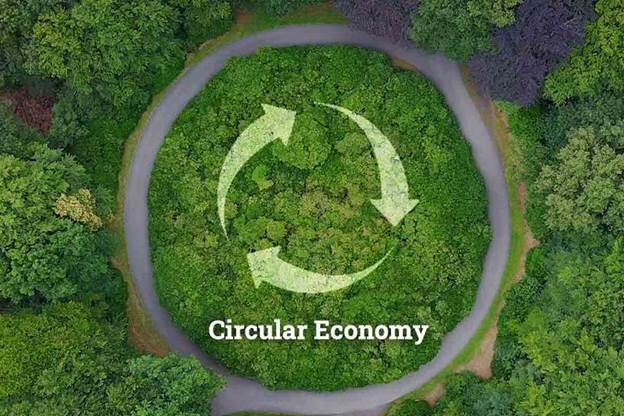
Circular economy strategies are becoming increasingly important in the petrochemical industry as companies move away from the traditional “take-make-dispose” model toward more sustainable production systems.
In petrochemicals, circular economy implementation involves using recycled plastic waste, biomass, or captured carbon dioxide as alternative feedstocks instead of relying entirely on fossil fuels.
One of the most important technologies supporting this transition is chemical recycling, particularly pyrolysis, which converts plastic waste into high-quality polymer feedstock that can be reused in manufacturing. These processes help reduce waste, lower emissions, and decrease dependence on raw materials. Renewable energy integration also supports circular production models by lowering the carbon intensity of industrial operations.
Egypt’s Sustainable Chemical Future Roadmap
Egypt’s roadmap for a sustainable chemical future is centered on transitioning from conventional fossil-fuel-dependent production toward greener, higher-value manufacturing between 2030 and 2040.
A key pillar of this strategy is renewable energy utilization, particularly in green hydrogen and green ammonia production. The government is also prioritizing industrial decarbonization, emissions reduction, and improved efficiency across existing chemical facilities.
In parallel, Egypt is strengthening circular economy policies to improve water management, waste recycling, and resource efficiency throughout the industrial sector. These efforts are designed to improve Egypt’s competitiveness in global markets increasingly focused on sustainability and environmentally responsible production.
Energy Efficiency Chemical Plants MENA
Energy efficiency has become a strategic priority for chemical plants across the Middle East and North Africa, driven by rising energy demand and national sustainability targets such as Saudi Arabia’s Vision 2030 and the UAE’s Net Zero 2050 strategy.
As industrial energy consumption in the region continues growing faster than GDP, improving efficiency is essential for maintaining economic competitiveness and reducing environmental impact. Key focus areas include deploying advanced industrial technologies, integrating renewable energy into operations, and implementing carbon capture systems to reduce emissions from energy-intensive processes.
Within this framework, Anchorage Investments has emphasized adopting advanced technologies to improve operational efficiency and support environmentally responsible petrochemical production.
Environmental Compliance Requirements
Environmental compliance has become increasingly important for petrochemical companies operating in global markets. Industrial facilities are required to comply with local and international regulations related to air emissions, water discharge, waste management, hazardous material storage, and chemical handling.
Meeting these requirements typically involves obtaining environmental permits, monitoring emissions, conducting regular audits, and implementing proper safety and waste disposal systems. Strong compliance standards not only reduce environmental risks but also improve investor confidence and strengthen companies’ ability to access international markets.
ESG Standards for Investors
Environmental, social, and governance (ESG) standards have become a key consideration for investors evaluating industrial and petrochemical projects. These standards help assess how companies manage sustainability risks, environmental impact, governance practices, and long-term operational resilience.
Among the most widely used ESG frameworks are the Global Reporting Initiative (GRI), which focuses on environmental and social impact reporting; the Sustainability Accounting Standards Board (SASB), which emphasizes financially material sustainability issues; and the Task Force on Climate-related Financial Disclosures (TCFD), which focuses on climate-related risk transparency. Companies aligning with these frameworks are generally viewed as more attractive to global investors and financial institutions.
Market Demand for Sustainable Chemicals
Global demand for sustainable chemicals is growing rapidly due to rising consumer awareness, stricter environmental regulations, and corporate net-zero commitments. The sustainable chemicals market was valued at more than $80 billion in 2025 and is projected to grow significantly over the next decade, with demand expanding much faster than conventional fossil-based alternatives.
Key industries driving this growth include packaging, agriculture, textiles, electronics, and construction. Demand is also increasing in sectors linked to electric vehicles, renewable energy systems, and advanced industrial coatings. This trend creates significant opportunities for countries like Egypt that are investing in cleaner petrochemical production and sustainable industrial infrastructure.
Final Thoughts
Egypt’s transition toward sustainable petrochemical development reflects a broader commitment to industrial modernization, environmental responsibility, and long-term economic resilience. Through investments in renewable energy, circular economy strategies, industrial efficiency, and ESG compliance, the country is positioning itself as a regional hub for sustainable chemical manufacturing.
As global demand for environmentally friendly products continues to rise, Egypt’s petrochemical sector has strong potential to improve its international competitiveness while supporting global sustainability goals.