The Middle East and North Africa (MENA) region is undergoing a significant transformation in how industrial operations consume and manage power. Driven by rising energy demand, global sustainability pressures, and national diversification strategies, industries are increasingly turning to renewable energy solutions to remain competitive and resilient.
From mining and manufacturing to large-scale industrial complexes, integrating clean energy is no longer an option but a strategic imperative. This article explores the most impactful renewable energy solutions shaping industrial operations across the MENA region, highlighting both technological innovations and policy frameworks enabling this shift.

Solar-power Integration in Mining Operations
Mining operations, often located in remote and energy-intensive environments, are ideal candidates for solar energy integration. The abundance of sunlight in the MENA region makes solar power a highly practical solution. We can use these systems to power:
- Extraction and processing equipment
- Water pumping and treatment systems
- On-site accommodation and facilities
Benefits of solar integration in mining include reduced fuel transportation costs, improved energy security, and lower environmental impact. Besides that, hybrid systems combining solar with conventional generators can further enhance reliability and efficiency.
Wind Energy for Chemical Manufacturing Plants
Chemical manufacturing is another energy-intensive sector that can benefit significantly from renewable energy, particularly wind power. In regions with strong and consistent wind resources, wind farms can provide a stable and scalable energy supply.
Advantages of wind energy in chemical plants include:
- Continuous power generation in suitable locations
- Reduction in operational emissions
- Scalability to meet growing production demands
Through integrating wind energy into their power mix, chemical manufacturers can reduce reliance on fossil fuels while maintaining high levels of productivity.
Battery Storage Systems for Industrial Facilities
Energy storage plays a crucial role in maximizing the effectiveness of renewable energy systems. Battery systems allow industries to store excess energy generated during peak production periods and use it when demand is high or generation is low.
Some of the main benefits of battery storage include:
- Load balancing and peak shaving
- Increased energy independence
- Enhanced grid stability
- Improved integration of intermittent renewable sources
As battery technologies continue to advance and costs decline, their adoption in industrial facilities across MENA is expected to grow significantly.
Green Hydrogen Production and Applications
Green hydrogen is gaining momentum as a next-generation energy solution, particularly for industries that are difficult to power. Produced using renewable energy, green hydrogen offers a clean alternative to fossil fuels in heavy industrial processes.
We can use green hydrogen as:
- Fuel for high-temperature industrial processes
- Feedstock for chemical production
- Energy storage
MENA countries are well-positioned to become global leaders in green hydrogen production due to their abundant renewable resources and strategic geographic location. This presents a significant opportunity for industrial operators to adopt cleaner energy solutions at scale.
Power Purchase Agreements for Industrial Consumers
Power Purchase Agreements (PPAs) are becoming an increasingly popular mechanism for industrial consumers to access renewable energy without the need for large upfront investments. Through PPAs, companies can secure long-term energy supply from renewable providers at fixed rates.
Key advantages of PPAs include:
- Predictable energy costs over long periods
- No capital expenditure for infrastructure
- Access to clean energy at competitive prices
- Support for corporate sustainability goals
PPAs also enable renewable energy developers to secure financing, creating a mutually beneficial ecosystem that accelerates the energy transition in the region.
Alongside these financing models, investment platforms are playing a growing role in structuring and scaling renewable energy adoption across industrial sectors. Anchorage Investments, led by Dr. Ahmed Moharram, is actively engaged in enabling energy transition opportunities in the MENA region by supporting integrated, sustainable infrastructure and energy solutions. Such efforts contribute to accelerating the deployment of renewables while aligning industrial growth with long-term environmental and economic objectives.
Microgrid Development for Factory Complexes
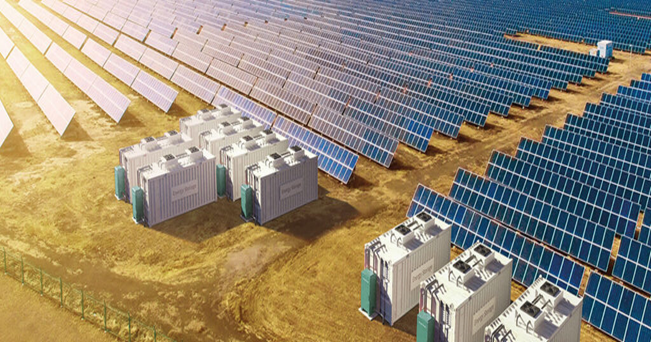
Microgrids are emerging as a transformative solution for industrial complexes in the MENA region. These localized energy systems can operate independently or with the main grid, providing greater control and resilience.
Microgrids are particularly valuable in areas with unstable grid infrastructure, enabling factories to maintain continuous operations while optimizing energy use.
Energy Cost Reduction through Renewable Sources
One of the primary motives for adopting renewable-energy in industrial operations is cost efficiency. Traditionally dependent on fossil fuels, industries in MENA are now recognizing the long-term financial advantages of renewables.
Solar and wind energy, in particular, offer predictable and increasingly lower costs compared to conventional energy sources. Once installed, these systems significantly reduce operational expenses by minimizing reliance on fluctuating fuel prices.
Key cost-saving benefits include:
- Lower electricity bills through on-site generation
- Protection against energy price volatility
- Reduced dependency on imported fuels
- Long-term return on investment through stable energy pricing
As technology costs continue to decline, renewable energy is becoming one of the most financially viable options for industrial players in the region.
Carbon Footprint Reduction Strategies
Beyond cost, reducing carbon emissions has become a central priority for industrial operators, especially as global markets demand more sustainable supply chains. Companies operating in MENA are increasingly aligning with international environmental standards to maintain competitiveness.
Effective carbon reduction strategies include:
- Transitioning to renewable power sources such as solar and wind
- Electrification of industrial processes
- Implementation of energy efficiency measures
- Adoption of carbon capture and storage technologies
By integrating these approaches, industries can significantly lower their greenhouse gas emissions while enhancing their brand reputation and meeting regulatory requirements.
Government Incentives for Renewable Energy Adoption
Governments across the MENA region are playing a critical role in accelerating the adoption of renewable energy within industrial sectors. Using policy reforms, financial incentives, and national strategies, they are creating an enabling environment for investment.
Common incentives include:
- Tax exemptions and customs duty reductions on renewable equipment
- Subsidized financing and green funds
- Feed-in tariffs and net metering schemes
- Regulatory support for private sector participation
Countries such as the UAE, Saudi Arabia, and Egypt have introduced ambitious renewable energy targets, encouraging industries to transition toward cleaner energy sources while supporting economic diversification.
Final Thoughts
The transition to renewable energy in industrial operations across the MENA region is well underway, driven by economic, environmental, and strategic factors. From solar-powered mining sites to wind-driven manufacturing plants and advanced energy storage systems, industries are embracing a wide range of solutions to enhance efficiency and sustainability.
With strong government support, technological advancements, and innovative financing models such as PPAs, the region is poised to become a global leader in industrial renewable energy adoption. For businesses operating in MENA, investing in renewable energy is not just a step toward sustainability, it is a critical move toward long-term growth, resilience, and competitiveness in an evolving global landscape.