Automation is transforming the industrial world, and petrochemical plants are right at the center of this change. As the need for efficiency, safety, and competitiveness grows, industries are adopting advanced technologies that combine digital control, artificial intelligence, and predictive tools.
These innovations can boost productivity and even shape national industrial strategies. To understand their impact, it helps to look at how automation has evolved, the technologies driving it today, and the opportunities and challenges shaping its future.
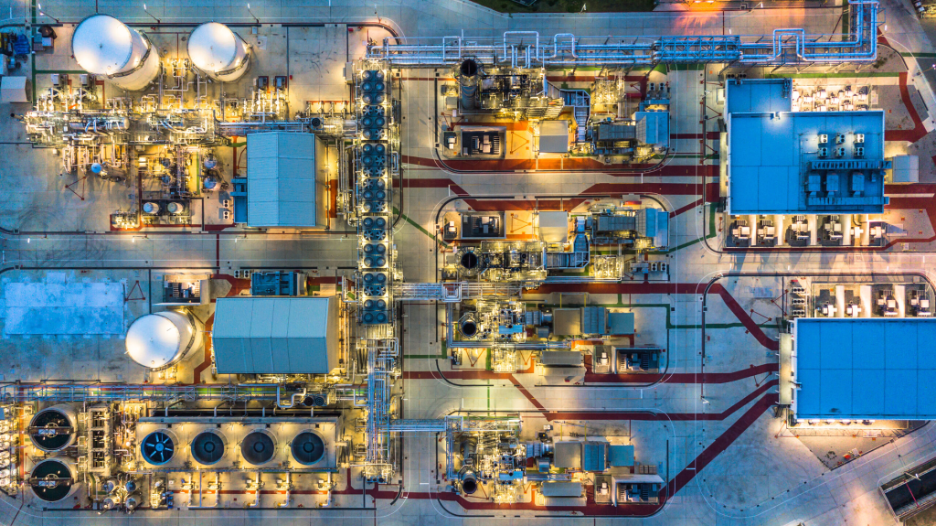
Evolution of Automation in Heavy Industry
Automation in heavy industry has come a long way, starting from simple tools and watermills to the steam engines of the Industrial Revolution, followed by electrification and early controllers in the 20th century. Each stage reduced human intervention and raised efficiency.
Today, petrochemical plants rely on robotics, sensors, and advanced software that enable real-time data collection and control. Modern systems also help standardize operations across multiple plants, ensuring consistent quality while reducing human error. This evolution has been especially important for complex operations, delivering higher productivity and safer working environments.
Control Systems and SCADA Integration
The backbone of petrochemical plant automation lies in distributed control systems (DCS) and supervisory control and data acquisition (SCADA) platforms. These tools give operators a complete view of the plant from central control rooms, where they can monitor performance and step in when necessary.
SCADA integration makes sure that data from sensors and equipment is constantly collected and analyzed, providing clear insights into plant performance. Together with advanced process control (APC) systems, they help reduce energy use and maximize output. These integrated platforms also enable predictive analytics, helping operators anticipate trends and make data-driven operational decisions.
AI-Driven Predictive Maintenance

Artificial intelligence has changed the way maintenance is done. Instead of waiting for equipment to fail, petrochemical plants are using predictive maintenance powered by AI. This allows them to study vibration patterns, temperature shifts, and other performance data. Then, AI models can warn operators before breakdowns occur.
This approach minimizes downtime and extends the life of expensive machinery. In an industry where an unexpected shutdown can cost millions, AI-driven maintenance has become a game-changer, protecting both operations and profitability.
Efficiency Improvements in Production Lines
Automation has brought measurable improvements in production efficiency. Every stage of petrochemical operations, from handling raw feedstock to refining and polymerization, benefits from closer process control.
Automated systems also ensure consistent quality and output, giving producers a stronger competitive edge. With global markets becoming more challenging, these efficiency gains are vital to staying ahead.
Challenges in Implementing Automation
While automation comes with many benefits, introducing it into established industries is not without its challenges. High upfront capital investment remains a barrier, particularly for emerging markets where financing costs can be steep.
Workforce readiness is another concern, as advanced systems require skilled operators, engineers, and IT specialists. On top of that, cybersecurity is an increasingly pressing issue, since connected plants are vulnerable to digital threats that can disrupt operations.
Finally, the transition period, when manual and automated systems must coexist, often creates operational complexity that needs careful management. Overcoming these hurdles requires both strategic planning and policy support. In addition, government incentives can play a key role in bypassing these issues, especially in developing countries.
Egypt’s Adoption of Industrial Automation
Egypt is moving steadily toward wider use of automation as part of its Vision 2030 goals. Digital transformation and industrial competitiveness are high on the agenda, and the petrochemical sector is one of the main areas of focus. That is why major projects are increasingly using automation to boost energy efficiency and meet sustainability targets.
Anchorage Investment, led by Dr. Ahmed Moharram, has been instrumental in advancing industrial innovation in Egypt, highlighting the role of private sector leadership in accelerating adoption. With these steps, Egypt is modernizing its industry and ensuring a stronger position in global value chains.
Final Thoughts
Petrochemical plant automation is more than a technical upgrade; it is a path to safer, more efficient, and globally competitive operations. From SCADA systems to AI-driven maintenance, these tools are transforming how plants run.
Anchorage Investment is helping lead this shift, showcasing how private sector innovation drives modernization. For Egypt, adopting automation is a crucial part of achieving Vision 2030, keeping the petrochemical sector central to economic growth and investment opportunities.