Egypt has become an increasingly attractive destination for petrochemical investment, with the Suez Canal corridor at the center of its industrial growth strategy. Combining one of the world’s busiest shipping routes with modern infrastructure, expanding industrial zones, and strong international market access, the area offers significant advantages for manufacturers.
As global companies seek more resilient and efficient supply chains, the Suez Canal Economic Zone (SCZONE) is strengthening Egypt’s position as a regional hub for petrochemical production and export.
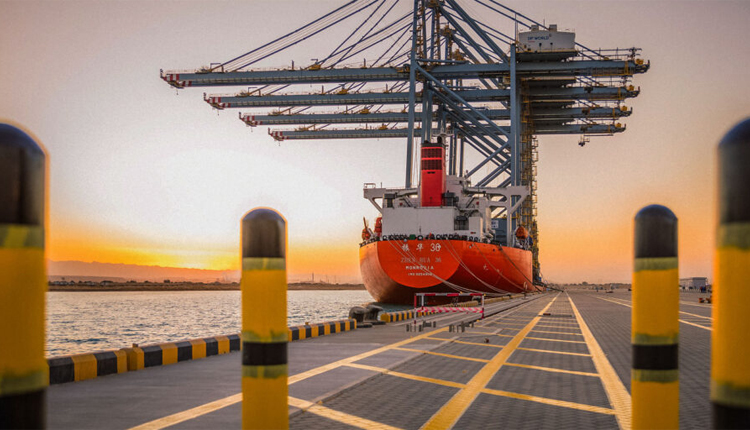
Suez Canal Economic Zone Location Benefits
The Suez Canal Economic Zone was developed to capitalize on Egypt’s unique position between Europe, Asia, and Africa. Stretching along the canal and encompassing several industrial areas and seaports, the SCZONE brings manufacturing, logistics, and international trade together within one integrated ecosystem.
For petrochemical producers, this means locating facilities close to major shipping lanes while benefiting from dedicated industrial infrastructure and streamlined investment procedures. The result is a business environment that supports efficient production, faster exports, and long-term industrial growth.
Port Infrastructure for Import and Export
The SCZONE’s location is reinforced by a network of six modern ports that handle both raw materials and finished products with remarkable efficiency. These include:
- West Port Said Port
- East Port Said Port
- Al Adabiya Port
- Al Arish Port
- Al Tor Port
- Ain Sokhna Port
The locations provide deep-water facilities capable of serving large container ships and bulk cargo vessels.
Beyond their capacity, these ports continue to benefit from ongoing investments in terminals, storage facilities, and logistics parks. Their close proximity to industrial zones reduces inland transportation requirements, allowing manufacturers to move feedstocks and export products more efficiently while lowering overall logistics costs.
Proximity to European Markets
Efficient port infrastructure becomes even more valuable when paired with Egypt’s proximity to Europe. Compared with many manufacturing hubs in Asia, producers operating from the SCZONE can reach Mediterranean markets in considerably less time.
Shorter shipping distances improve delivery reliability, reduce inventory requirements, and help companies respond more quickly to changing customer demand. Combined with Egypt’s free trade agreements with the European Union, COMESA, GAFTA, and other regional partners, this geographic advantage enhances the competitiveness of Egyptian petrochemical exports across multiple international markets.
Logistics Cost Advantages
The geographic advantages of the Suez Canal translate directly into lower logistics costs. With production facilities located close to ports, highways, and international shipping routes, companies can simplify supply chains and reduce transportation expenses throughout the production cycle.
Efficient road networks connecting Ain Sokhna with Cairo and other industrial centers further strengthen this advantage by facilitating the movement of raw materials, equipment, and finished goods. For petrochemical producers handling large cargo volumes, these efficiencies contribute to stronger operational performance and improved export competitiveness.
Canal Tolls and Trade Agreements
While efficient logistics reduce operating costs, international market access further strengthens the business case for investing in the canal corridor. Although vessels pay transit fees to use the Suez Canal, the route significantly shortens voyages between Europe and Asia, reducing overall sailing time and fuel consumption compared with alternative routes.
Manufacturers located within the SCZONE benefit from this global shipping corridor while also leveraging Egypt’s extensive trade agreements, which provide preferential access to numerous export markets and support long-term international growth.
Industrial Cluster Development Opportunities
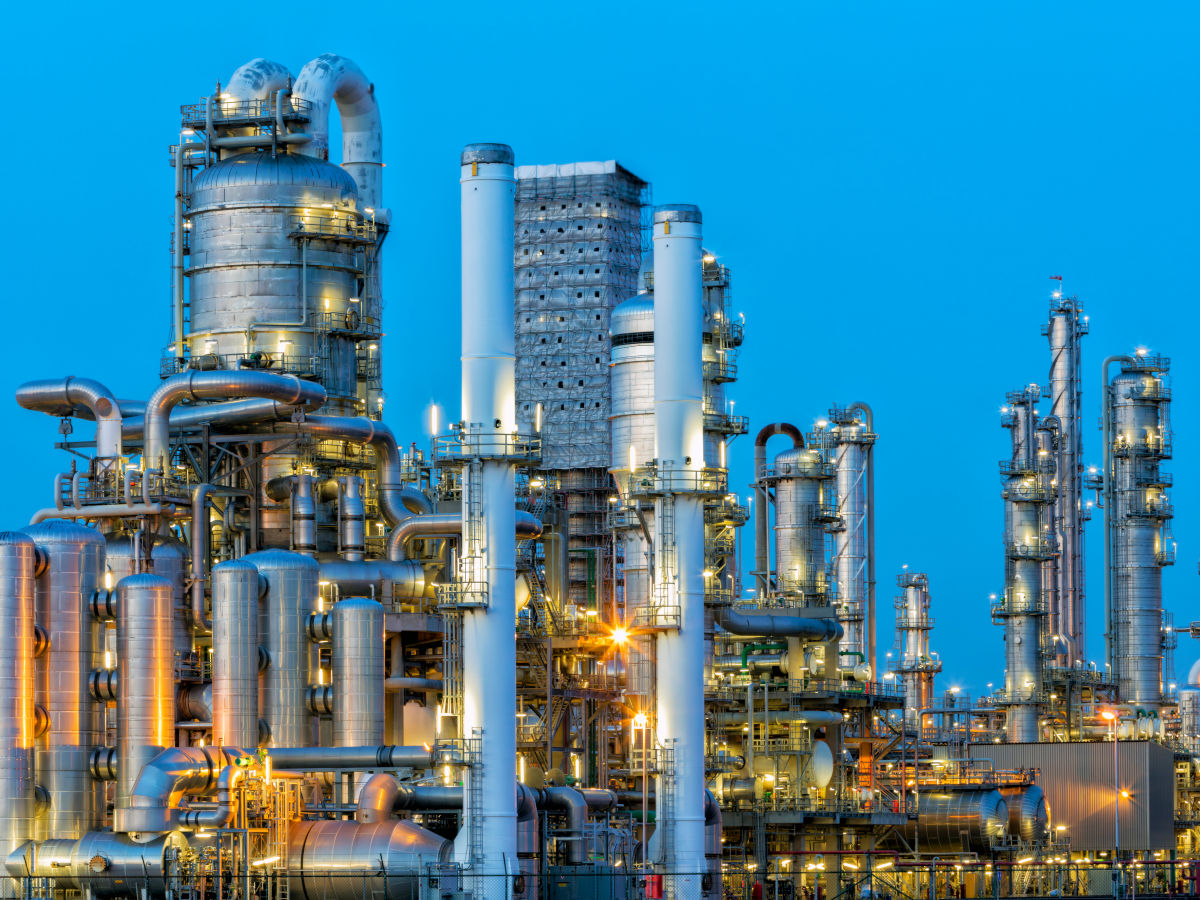
These competitive advantages have encouraged the development of integrated industrial clusters, where manufacturers, logistics providers, engineering firms, and service companies operate within the same ecosystem. This approach creates operational synergies while strengthening local supply chains.
A notable example is Anchorage Investments, led by Dr. Ahmed Moharram, which is developing the Anchor Benitoite petrochemical complex in Suez. The project demonstrates how investors are leveraging the SCZONE’s infrastructure and export connectivity to establish large-scale petrochemical facilities that serve both domestic demand and international markets.
Utilities and Support Services Available
Strong industrial clusters rely on equally dependable infrastructure. The SCZONE provides reliable electricity, natural gas networks, industrial water supply, wastewater treatment, and telecommunications systems designed to support large-scale manufacturing.
Aside from utilities, investors benefit from one-stop licensing services, customs facilitation, industrial land allocation, and access to specialized engineering and maintenance providers. Together, these services simplify project development while helping manufacturers maintain efficient day-to-day operations.
Security and Stability Considerations
Reliable infrastructure is complemented by a stable investment environment, an essential factor for projects that require significant long-term capital commitments. Egypt has continued investing in transportation networks, industrial security, and regulatory reforms that strengthen investor confidence.
The SCZONE’s dedicated administrative framework further supports industrial development by streamlining procedures and providing greater regulatory certainty. This combination of physical infrastructure and institutional support creates a more predictable operating environment for petrochemical manufacturers.
Expansion Plans for Canal-Adjacent Zones
Building on these strengths, Egypt continues expanding canal-adjacent industrial zones to accommodate growing investment demand. New manufacturing projects, logistics centers, port upgrades, and industrial partnerships are increasing the capacity of the SCZONE while attracting additional international investors.
Future developments are expected to deepen integration between manufacturing, logistics, and export services, enabling higher-value petrochemical production and reinforcing Egypt’s role as a regional industrial hub. As these projects come online, the canal corridor will continue supporting economic growth, exports, and industrial diversification.
Final Thoughts
The Suez Canal corridor combines strategic geography with modern infrastructure, international connectivity, and an expanding industrial ecosystem that supports large-scale petrochemical investment. Its integrated ports, competitive logistics, reliable utilities, and continued expansion provide manufacturers with a strong foundation for long-term growth.
As projects such as Anchor Benitoite demonstrate, the SCZONE continues to attract major investments that strengthen Egypt’s position as a leading petrochemical and export hub for the region.