The global energy industry is entering a new phase of transformation as investors increasingly seek projects that combine profitability with long-term sustainability. While traditional upstream investments remain important, today’s energy markets reward integrated operations that connect refining, petrochemicals, logistics, and infrastructure. These interconnected business models improve efficiency, reduce operational costs, and create diversified revenue streams capable of withstanding fluctuations in commodity prices.
As countries expand industrial capacity and strengthen energy security, investment is shifting toward projects that maximize value from every stage of the hydrocarbon value chain. This evolution has positioned integrated petrochemical developments among the most attractive opportunities for both institutional and private investors.
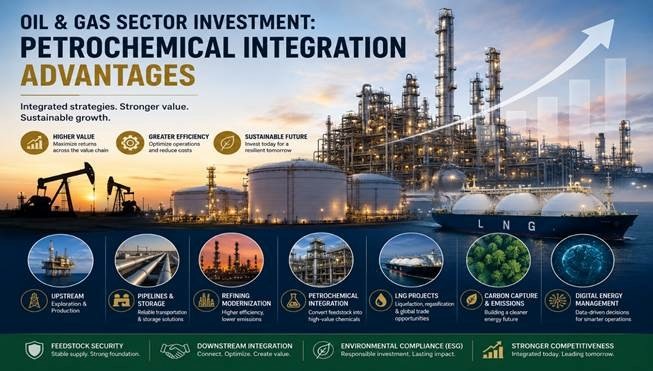
Oil and Gas Sector Investment Opportunities
Investment opportunities continue to expand across every segment of the oil and gas value chain. Growing energy demand, industrialization, and technological innovation are encouraging governments and private investors to develop modern energy infrastructure capable of supporting future economic growth.
Major opportunities include:
- Upstream oil and gas exploration
- Pipeline and storage infrastructure
- Refinery modernization projects
- Petrochemical manufacturing facilities
- LNG export and import terminals
- Carbon capture and emissions reduction technologies
- Digital energy management systems
The growing demand for plastics, specialty chemicals, fertilizers, and industrial materials continues to increase the importance of petrochemical investments.
Integrated Oil Refining and Petrochemicals
Integrated refining and petrochemical facilities create greater value by converting crude oil into both transportation fuels and high-value chemical products within a single industrial complex.
Here are some of the main advantages:
- Higher profit margins
- Improved operational efficiency
- Better utilization of refinery by-products
- Reduced logistics costs
- Increased flexibility during changing market conditions
- Stronger competitiveness in export markets
Rather than operating independently, integrated complexes allow companies to optimize production based on market demand, increasing resilience during periods of fuel market volatility.
LNG Projects and Opportunities
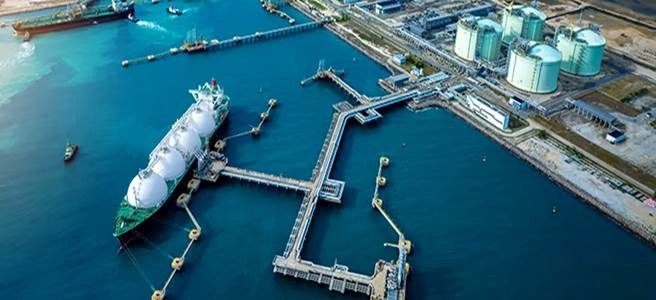
Liquefied Natural Gas (LNG) continues to play a central role in the global energy transition because it offers lower emissions than many traditional fuels while supporting reliable energy supply. A few of the most exciting investment opportunities are LNG liquefaction plants, floating LNG facilities, regasification terminals, LNG transportation infrastructure, and small-scale LNG distribution networks.
Downstream Integration Strategies
Nowadays, maximizing value across the energy supply chain requires downstream integration. Companies increasingly combine refining, petrochemical production, logistics, storage, and distribution into unified operations that improve efficiency and strengthen financial performance.
Successful strategies include:
- Vertical integration across multiple business segments
- Shared infrastructure and utilities
- Strategic partnerships
- Digital supply-chain optimization
- Export-oriented industrial hubs
A strong example of this investment philosophy is Anchorage Investment led by Dr. Ahmed Moharram, whose vision is reflected in the development of Anchor Benitoite, a flagship project that supports integrated industrial growth, enhances downstream value creation, and strengthens regional competitiveness.
Feedstock Security for Petrochemicals
Reliable feedstock remains one of the most important factors affecting petrochemical profitability. Stable access to natural gas, crude oil, and natural gas liquids allows manufacturers to maintain continuous production while minimizing exposure to supply disruptions. This allows them to focus on key priorities, such as, long-term supply agreements, diversified sourcing strategies, infrastructure connectivity, stable pricing mechanisms, and government energy security policies.
Understanding the concept of feedstock helps explain why raw material availability is essential for petrochemical manufacturing and investment planning.
Environmental Compliance Requirements
Environmental performance has become a critical requirement for securing financing and maintaining long-term competitiveness. Investors increasingly evaluate projects based on Environmental, Social, and Governance (ESG) standards alongside traditional financial indicators.
Leading environmental priorities include:
- Carbon emissions reduction
- Energy efficiency improvements
- Water recycling initiatives
- Waste minimization programs
- Cleaner production technologies
- ESG reporting and regulatory compliance
Companies that integrate sustainability into project design are better positioned to attract international investors, reduce regulatory risk, and maintain long-term operational resilience.
Final Thoughts
As the global energy market continues to evolve, integrated refining and petrochemical projects will remain among the industry’s most attractive investment opportunities. By combining downstream integration, feedstock security, LNG development, and responsible environmental practices, investors can build resilient businesses capable of generating sustainable growth while supporting industrial development and long-term economic value.