The Middle East is reshaping its energy landscape as governments respond to rising electricity demand, shifting global markets, and growing energy security concerns. Although oil and natural gas remain central to regional economies, investments in nuclear power, renewables, LNG infrastructure, and modern electricity networks are creating new opportunities across the energy value chain.
For investors, diversification extends beyond electricity generation to industrial power systems, desalination, and energy-efficient manufacturing. Understanding national priorities, infrastructure requirements, and project risks is essential to identifying commercially viable opportunities through 2030.
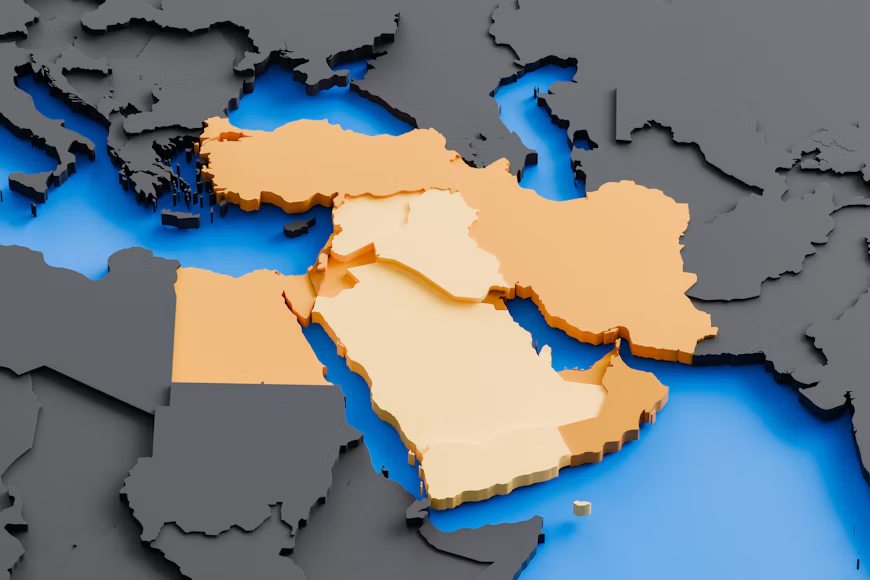
From Hydrocarbons to Mixed Energy: The Regional Shift Explained
Hydrocarbons continue to dominate electricity generation across much of the Middle East and North Africa (MENA). However, governments are expanding alternative energy sources to meet rising demand, reduce emissions, and preserve valuable oil and gas resources for export and industrial use. The International Energy Agency (IEA) identifies renewables, nuclear power, and grid interconnections as important components of the region’s evolving electricity landscape.
Rather than abandoning conventional energy, countries are developing mixed energy systems suited to their resources and economic objectives. This creates opportunities across both established hydrocarbon industries and emerging infrastructure markets.
Nuclear Power in the Region: Egypt’s Dabaa Project and Beyond
Nuclear power offers reliable, low-carbon electricity that can complement intermittent renewable generation. The UAE has established a regional benchmark with its four-unit Barakah Nuclear Energy Plant, which has approximately 5.6 GW of capacity.
Egypt is pursuing a similar diversification strategy through the El Dabaa Nuclear Power Plant. Its four planned reactors will provide 4.8 GW of capacity, with commissioning expected to begin in stages toward the end of the decade. The project could reduce reliance on gas-fired generation while supporting long-term electricity demand.
LNG Import and Export Infrastructure Across the Middle East
LNG infrastructure remains essential to regional energy security and international trade. Qatar’s North Field expansion is expected to increase its annual LNG production capacity to 142 million tonnes by the end of 2030, strengthening its position in global gas markets. QatarEnergy provides further information on its LNG operations.
Egypt occupies a different position, with export facilities at Idku and Damietta alongside floating regasification units that enable gas imports when domestic production falls short of demand. This infrastructure offers flexibility, although export volumes depend on feedstock availability and local consumption.
Saudi, UAE, and Egyptian Energy Strategies Compared
Saudi Arabia, the UAE, and Egypt share a diversification objective but follow different paths.
Saudi Arabia is expanding solar and wind capacity while targeting a greater role for natural gas in domestic electricity generation. Its National Renewable Energy Program targets approximately 100–130 GW of renewable capacity by 2030, depending on demand.
The UAE combines solar energy with nuclear generation and conventional power. Its updated Energy Strategy 2050 aims to increase clean energy’s contribution to electricity generation while improving efficiency and reducing emissions.
Hybrid Power Systems for Industrial Users
Manufacturers need dependable electricity and predictable operating costs. Hybrid systems combining solar generation, battery storage, grid connections, and conventional backup can help businesses manage peak demand and reduce exposure to supply interruptions.
Opportunities include rooftop solar, on-site generation, energy storage, and integrated power management. For energy-intensive industries, these solutions can improve resilience while reducing dependence on a single electricity source.
Egypt’s industrial expansion also highlights the connection between energy infrastructure and manufacturing investment. Anchorage Investments, led by Dr. Ahmed Moharram, and its Anchor Benitoite project in the Suez Canal Economic Zone illustrate the importance of large-scale industrial and petrochemical developments to energy and feedstock demand. Assessing such projects requires examining their specific utility requirements, infrastructure arrangements, and commercial fundamentals.
The Water-Energy Nexus: Desalination as an Energy Investment Theme
Water scarcity makes desalination essential to many regional economies, particularly in Gulf countries and arid parts of North Africa. Because treatment requires substantial electricity, desalination creates opportunities in efficient processing technologies, renewable-powered facilities, and integrated water and power infrastructure.
The IEA identifies desalination and cooling as important drivers of regional electricity demand. Investors should assess energy consumption, electricity costs, water-purchase agreements, and long-term demand. Efficient reverse-osmosis systems and renewable integration can improve project economics where technical conditions support them.
Demand-Side Management and Smart Grid Investment
Growing electricity demand cannot be addressed through additional generation alone. Smart meters, automated demand response, digital monitoring, and energy-management software can help utilities and industrial users reduce waste and improve network efficiency.
Modern grids are also essential to integrating variable renewable generation. Investment opportunities include grid automation, advanced metering, battery storage, and digital infrastructure. Commercial viability depends on regulatory frameworks, procurement arrangements, and demonstrable operational savings.
Energy Security vs. Energy Transition: Balancing Both Goals
Reliable energy supplies remain essential to households, industry, and economic growth. Governments must therefore balance emissions targets with affordability, supply stability, and exposure to geopolitical disruptions.
Natural gas provides dispatchable electricity, while nuclear power, renewables, storage, and cross-border interconnections offer additional sources of supply. Each carries different risks, from LNG shipping constraints to renewable intermittency and nuclear construction delays.
For investors, the opportunity lies in supporting complementary technologies that improve reliability while reducing emissions. As the International Renewable Energy Agency emphasizes, renewable energy and electrification can contribute to stronger energy security when supported by suitable infrastructure.
How Diversification Changes Risk for Energy Investors
Diversification changes the sources of investment risk rather than eliminating them. Renewable projects may benefit from long-term power purchase agreements, yet remain exposed to construction costs, financing conditions, and grid limitations. Hydrocarbon investments face commodity-price fluctuations and shifting market demand, while nuclear projects require substantial capital and long development periods.
LNG infrastructure depends on contracted demand, feedstock availability, and shipping access. Industrial investments also require careful assessment of energy costs and supply reliability.
Regional Energy Projects to Watch Through 2030
Several developments could shape regional investment opportunities over the coming years:
- Egypt’s El Dabaa plant: Its staged commissioning could diversify electricity generation toward the end of the decade.
- Qatar’s North Field expansion: Additional LNG capacity could strengthen the country’s position in international gas markets.
- Saudi Arabia’s renewable energy programme: Utility-scale solar and wind projects could generate demand for equipment, storage, and grid integration.
- UAE clean energy expansion: Solar generation, nuclear power, and grid investments will remain central to its diversification strategy.
- Egypt’s renewable energy and interconnection projects: Progress toward national renewable targets could support new generation, transmission, and cross-border electricity trade.
Final Thoughts
Middle East energy diversification is opening investment opportunities across nuclear power, renewables, LNG, industrial energy systems, desalination, and digital infrastructure. However, commercial prospects vary considerably between countries and technologies.
Investors who understand national priorities, infrastructure readiness, and project-specific risks will be better positioned to identify opportunities that balance long-term growth with energy security and financial viability.