Egypt’s petrochemical sector continues to gain momentum as global demand for chemicals, fertilizers, and advanced materials rises. Supported by abundant natural gas reserves, strategic geography, and ongoing regulatory reforms, the country offers a compelling platform for industrial investment.
For investors, entering this sector requires a clear understanding of processes, locations, capital requirements, and long-term market dynamics. This guide outlines the essential steps and considerations for investing in petrochemicals in Egypt in 2026.
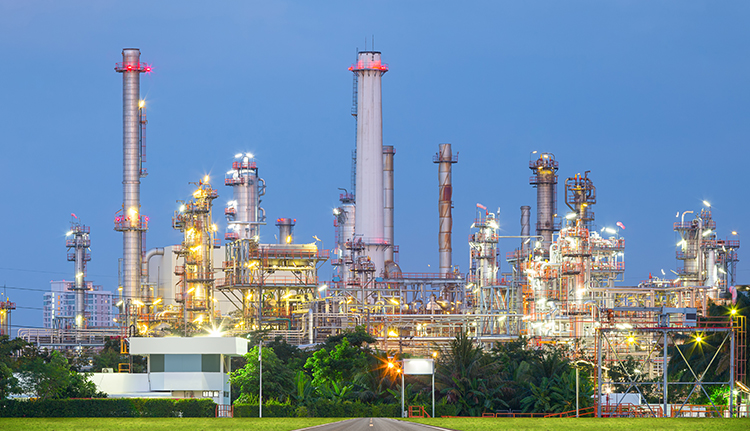
Step-By-Step Investment Process for Petrochemical Projects
Investing in petrochemicals is a structured process that moves from feasibility to full-scale operations.
The first step involves market and feasibility analysis, where investors assess demand, feedstock availability, and export potential. This is followed by project structuring, including selecting product lines such as polymers, fertilizers, or specialty chemicals.
Next comes site selection and regulatory approvals, where investors secure land within industrial zones and obtain necessary permits. Once approvals are in place, the project moves into engineering, procurement, and construction (EPC).
Finally, commissioning and operational ramp-up ensure that production meets both technical and commercial targets. Each stage requires coordination between technical experts, government authorities, and financial stakeholders.
Best Industrial Zones Egypt for Investment Comparison
Egypt offers several industrial zones tailored to petrochemical investments, each with distinct advantages.
The Suez Canal Economic Zone (SCZONE) stands out for its integrated infrastructure and direct access to global shipping routes. Ain Sokhna, located within this zone, is particularly attractive for export-oriented projects.
Other areas, such as Alexandria and Damietta, benefit from proximity to existing petrochemical clusters and established supply chains. These regions provide access to skilled labor and operational synergies with existing plants.
Choosing the right location depends on factors such as feedstock access, logistics costs, and target export markets. Investors must balance infrastructure quality with long-term scalability.
Ain Sokhna Petrochemical Project Opportunities
Ain Sokhna has emerged as one of Egypt’s most promising petrochemical hubs. Its location on the Red Sea provides direct access to Asian and global markets, reducing shipping times and costs.
The area is designed to host integrated petrochemical complexes, allowing investors to benefit from shared utilities, storage facilities, and logistics networks. This integration reduces capital expenditure and improves operational efficiency.
In addition, the availability of large-scale land plots supports the development of vertically integrated projects, from feedstock processing to finished chemical products. For investors targeting export-driven growth, Ain Sokhna offers a highly competitive base.
Suez Canal Economic Zone Petrochemicals Advantages
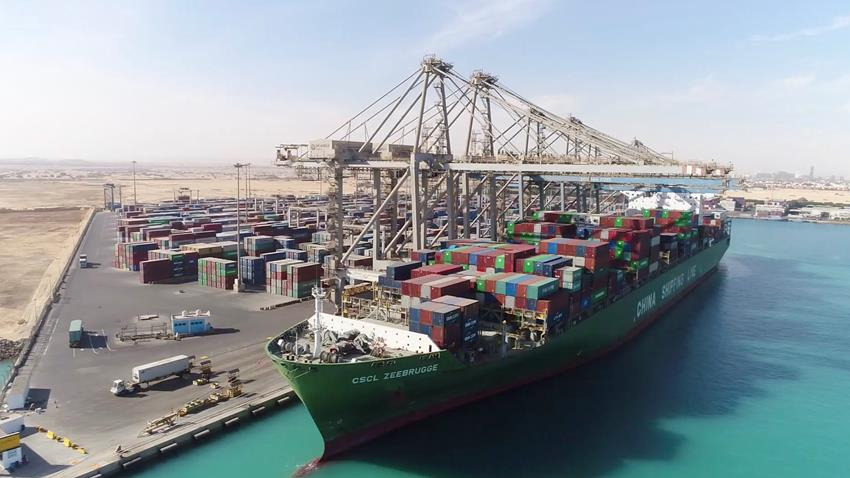
The SCZONE provides a comprehensive ecosystem for petrochemical investment. Its infrastructure includes modern ports, industrial parks, and logistics hubs designed to support large-scale manufacturing.
One of its key advantages is proximity to the Suez Canal, enabling efficient access to European, Asian, and African markets. This reduces transit times and enhances supply chain reliability.
The zone also offers investment incentives, including tax benefits, streamlined licensing procedures, and customs facilitation. These measures reduce administrative barriers and accelerate project timelines.
As a result, the SCZONE has become a focal point for international investors seeking a strategic production and export platform.
Investment Returns in Petrochemicals Analysis
Petrochemical investments are capital-intensive but offer strong long-term returns. Profitability is driven by factors such as feedstock costs, product pricing, and plant efficiency.
In Egypt, access to competitively priced natural gas enhances margins, particularly for products like polyethylene, polypropylene, and ammonia. Export-oriented projects benefit further from foreign currency revenues and diversified market exposure.
Returns are typically realized over a medium- to long-term horizon, with stable cash flows once operations reach full capacity. Investors who integrate downstream production or specialty chemicals often achieve higher margins due to value-added pricing.
Market growth, both domestically and globally, continues to support sustained demand, reinforcing the sector’s investment appeal.
Required Capital and Financing Options
Establishing a petrochemical facility requires significant capital, often ranging from hundreds of millions to several billion dollars depending on project scale.
Financing structures typically combine equity investment, bank loans, and strategic partnerships. Development finance institutions and export credit agencies also play a role in supporting large industrial projects.
Public-private partnerships (PPPs) are increasingly common, particularly for infrastructure-linked developments. These models allow investors to share risk while benefiting from government support.
In this context, collaboration with experienced investment groups is essential. Firms such as Anchorage Investments, led by Dr. Ahmed Moharram, have shown interest in opportunities that align with advanced materials and industrial growth. Initiatives like the Anchor Benitoite project reflect a broader strategy of combining capital investment with innovation-driven value creation in the chemicals sector.
Connecting With Strategic Investors Chemicals Middle East
Building strong partnerships is a critical success factor in petrochemical investments. Strategic investors bring not only capital but also technical expertise, market access, and operational experience.
In the Middle East, collaboration often involves joint ventures with regional energy companies, global chemical producers, and specialized investment firms. These partnerships help mitigate risk and accelerate project execution.
Additionally, aligning with stakeholders across the value chain, including feedstock suppliers and downstream manufacturers, strengthens market positioning. For new entrants, establishing these connections early can significantly improve project viability.
Legal Requirements and Licensing Procedures
Egypt has streamlined its investment framework to attract foreign and domestic investors. The legal process begins with company registration under the General Authority for Investment and Free Zones (GAFI).
Investors must then obtain industrial licenses, environmental approvals, and land allocation permits. For petrochemical projects, environmental compliance is particularly critical due to the sector’s impact and regulatory oversight.
The introduction of the “Golden License” has simplified approvals for strategic projects, allowing faster implementation. This regulatory clarity reduces uncertainty and enhances investor confidence.
Timeline From Approval to Operation
The timeline for petrochemical projects varies depending on scale and complexity.
Initial feasibility studies and approvals may take 6 to 12 months, followed by engineering and design phases lasting another year. Construction and installation typically require 2 to 4 years, depending on project size.
Overall, investors should expect a timeline of 3 to 5 years from initial approval to full commercial operation. Efficient project management and early stakeholder alignment can help minimize delays.
Success Factors for Long-Term Investment Chemicals Egypt
Long-term success in Egypt’s petrochemical sector depends on several key factors.
First, feedstock security ensures consistent production and cost stability. Second, operational efficiency is critical for maintaining competitive margins in a global market.
Third, market diversification reduces exposure to regional demand fluctuations, allowing companies to adapt to changing global conditions. Finally, innovation and value-added production enable investors to move beyond commodity chemicals into higher-margin specialty segments.
Companies that align these factors with Egypt’s strategic advantages are well positioned to achieve sustainable growth.
Final Thoughts
Egypt offers a strong foundation for petrochemical investment, combining resource availability, strategic location, and an evolving regulatory environment.
As global demand for chemicals continues to grow, the country’s ability to serve multiple markets efficiently makes it an increasingly attractive destination. With the right strategy, partnerships, and execution, investors can capture significant long-term value in this expanding sector.