Gulf capital has become an increasingly important force in Egypt’s investment landscape, extending well beyond traditional real estate into manufacturing, chemicals, energy, logistics, infrastructure, and other strategic industries. UAE investors have led this expansion in scale, while Saudi Arabia, Qatar, Oman, and Bahrain are pursuing opportunities in sectors where Egyptian capabilities align with Gulf capital, expertise, and regional market access.
Egypt offers Gulf investors a combination of industrial capacity, a large domestic market, strategic ports, and proximity to Europe, Africa, and Asia. Those advantages are increasingly encouraging partnerships designed not simply to access the Egyptian market, but to use Egypt as a production and export base.

Why UAE Investors Are Betting Big on Egyptian Industry
UAE investment in Egypt has expanded significantly, with activity spanning real estate, logistics, financial services, energy, fertilizers, and manufacturing. The landmark Ras El Hekma transaction, led by Abu Dhabi-based ADQ, demonstrated the scale at which Emirati capital can participate in Egyptian development.
Industrial investment offers a different but complementary opportunity. Egypt’s manufacturing base, large workforce, established infrastructure, and access to international shipping routes create attractive conditions for investors looking to develop production platforms serving multiple markets. For UAE investors, this makes sectors such as chemicals, fertilizers, food processing, logistics, energy, and export-oriented manufacturing particularly relevant.
Dubai-Based Investment Funds Active in Egypt’s Chemical Sector
Dubai-based investors have shown particular interest in established Egyptian industrial businesses, including chemical manufacturers. National Paints Holding’s acquisition activity in Egypt’s paints and chemicals sector illustrates the appeal of existing companies with recognizable products, operating infrastructure, and established domestic demand.
Gulf private-equity investors have followed a similar model across manufacturing, petrochemicals, glass, and infrastructure. Established Egyptian businesses can provide an entry point for regional capital while also offering opportunities for operational improvements, capacity expansion, and access to new export markets.
Abu Dhabi Sovereign Wealth and Egypt’s Industrial Ambitions
Abu Dhabi’s investment strategy in Egypt increasingly connects capital deployment with strategic economic sectors. ADQ’s participation in Egyptian fertilizer and industrial companies demonstrates the appeal of businesses linked to food security, manufacturing, exports, and essential supply chains.
Sovereign investors can also support projects that require substantial capital and longer development horizons. That characteristic makes them particularly relevant to industrial infrastructure, where returns may depend on expanding production capacity, improving logistics, and developing downstream industries over time.
SCZONE provides a strong example of this opportunity. Its location along the Suez Canal, combined with industrial land, ports, utilities, and investment incentives, creates an environment where Gulf capital can participate in integrated production and export projects rather than standalone assets.
The Saudi-Egypt Investment Corridor: Key Sectors and Deals
Saudi investment in Egypt is becoming increasingly institutionalized through the Public Investment Fund and the Saudi Egyptian Investment Company. Their approach spans sectors including energy, food production, agriculture, metals, real estate, and manufacturing.
Industrial and petrochemical projects are particularly relevant because they align with both countries’ efforts to strengthen domestic production and regional supply chains. Saudi capital can provide financing and access to Gulf markets, while Egyptian projects offer production capacity and proximity to major export destinations.
Qatari Capital Flows into Egyptian Infrastructure and Industry
Qatari investment is taking a more targeted approach, with interest extending across infrastructure, mining, manufacturing, and established Egyptian businesses. The mining sector is particularly noteworthy, as Qatari companies have explored opportunities involving gold, copper, and refining.
Industrial cooperation also benefits from the complementary strengths of both markets. Qatari investors can provide capital and regional commercial networks, while Egyptian partners contribute local operating expertise and access to established supply chains.
Omani Investment Interest in Egypt’s Energy and Chemicals Sectors
Oman offers another avenue for specialized Gulf-Egypt cooperation. Its industrial experience in energy, petrochemicals, plastics, and manufacturing creates natural areas of overlap with Egypt’s own industrial development priorities.
Omani companies have explored partnerships with Egyptian businesses in manufacturing and industrial activities, while bilateral investment discussions have highlighted opportunities in energy and petrochemicals.
Bahrain-Egypt Investment Ties: Opportunities for Growth
Similarly, Bahrain’s investment relationship with Egypt offers opportunities across manufacturing, financial services, logistics, and industrial support. Bahraini companies can benefit from Egypt’s large market and manufacturing base, while Egyptian businesses can gain access to Bahrain’s financial and regional business networks.
Recent business engagement has included visits to Egyptian free zones and manufacturing operations, highlighting opportunities in areas such as automotive supply chains and specialized industrial services.
GCC-Egypt Economic Integration and What It Means for Investors
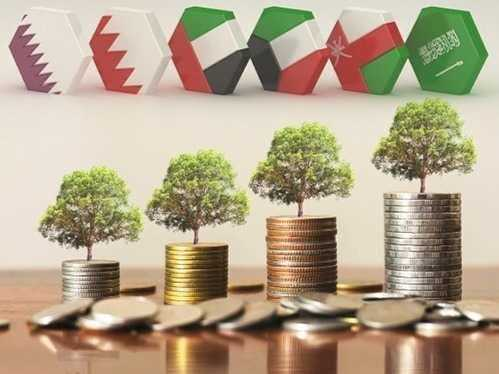
Taken together, Gulf investment in Egypt represents more than a collection of individual transactions. It is contributing to a broader economic relationship in which Gulf capital, Egyptian production, regional logistics, and international markets increasingly intersect.
Egypt’s special economic zones strengthen this proposition by offering infrastructure and investment incentives alongside access to ports and major transport corridors. SCZONE is particularly significant because businesses can position production close to both the Suez Canal and major international shipping routes.
Structuring Joint Ventures Between Gulf and Egyptian Partners
Joint ventures offer a practical structure for Gulf investors entering capital-intensive Egyptian industries. A Gulf partner can contribute financing, technology, procurement capabilities, or regional distribution networks, while an Egyptian partner provides local operating expertise, workforce access, and market knowledge.
Successful partnerships require alignment from the outset. Shareholding arrangements, governance rights, capital contributions, technology transfer, dividend policies, financing responsibilities, and exit mechanisms should all be clearly established.
How Gulf Sovereign Wealth Funds Approach Industrial Investment in Egypt
Sovereign wealth funds generally assess Egyptian opportunities through both commercial and strategic lenses. Rather than focusing exclusively on immediate returns, institutions can consider a project’s ability to create long-term value, strengthen supply chains, and connect Egyptian assets with wider regional markets.
A relevant private-sector example is Anchorage Investments, led by Dr. Ahmed Moharram, through its Anchor Benitoite petrochemical project in the Suez Canal Economic Zone.
The project illustrates an industrial investment model built around value-added chemical production, export potential, and integration with Egypt’s existing infrastructure. Its positioning also highlights why major industrial developments can appeal to strategic investors: successful projects can generate value across production, logistics, downstream manufacturing, employment, and exports simultaneously.
Final Thoughts
Gulf capital is becoming an important component of Egypt’s next phase of industrial development. UAE investors have established a particularly strong presence, Saudi institutions are expanding their investment corridor, and Qatari, Omani, and Bahraini investors are pursuing more specialized opportunities.
The central opportunity lies in connecting Gulf capital with Egypt’s industrial capabilities, infrastructure, workforce, and strategic location. Projects that can combine these strengths with export potential are likely to remain particularly attractive as GCC-Egypt economic integration deepens.