Environmental compliance and sustainability are becoming central priorities in modern mining operations, as companies work to meet regulatory requirements while minimizing environmental impact. Mining activities must manage water use, emissions, and waste responsibly while ensuring long-term ecosystem protection.
In this article, we explore different aspects of environmental compliance and sustainability in mining operations, from air quality monitoring to water management and dust suppression technologies.
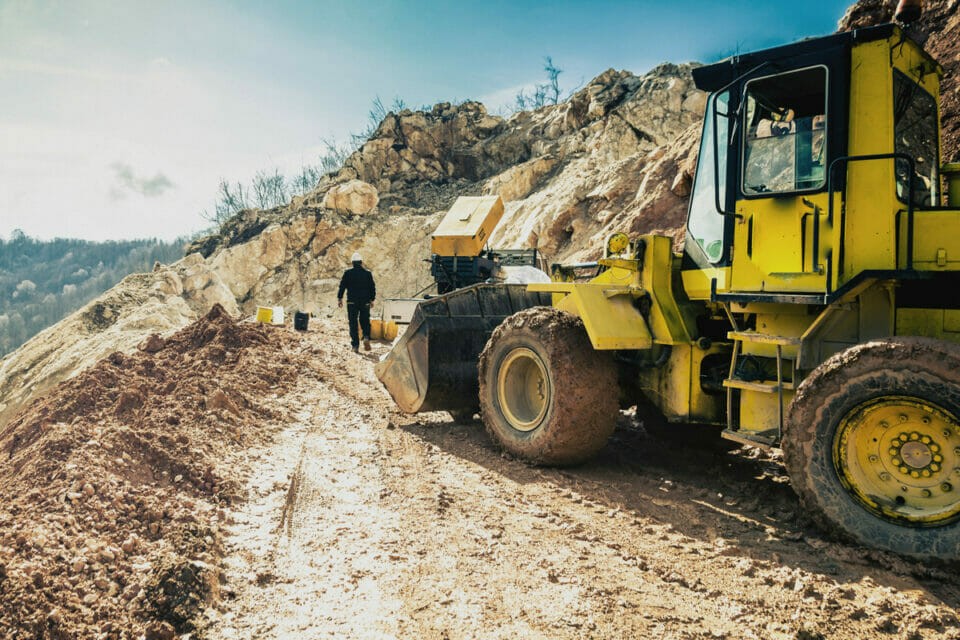
Environmental Regulations for Mining
As global expectations continue to evolve, environmental compliance and sustainability are increasingly shaping how companies operate, adopt new technologies, and integrate responsible practices into their industrial strategies.
Environmental regulations establish the foundation for responsible mining operations where companies must comply with strict requirements. These guidelines cover water management, waste handling, air quality control, and land rehabilitation.
Environmental impact assessments are typically required before project development to identify potential risks to ecosystems and surrounding communities. Regulations also guide tailings management, emissions reduction, and post-mining restoration. Together, these frameworks ensure that mining activities align with environmental protection standards while supporting sustainable resource extraction.
Sustainability as a Strategic Priority
Sustainability is increasingly embedded within core mining strategies rather than treated as a standalone compliance requirement. Companies are integrating environmental considerations into operational planning to enhance long-term efficiency, resilience, and value creation.
Key approaches include responsible tailings management, continuous environmental monitoring, and land rehabilitation, alongside the adoption of advanced technologies, renewable energy, and resource-efficient processes. Because of that, mining companies that align operational performance with sustainability goals can reduce environmental impact while strengthening competitiveness and ensuring long-term viability.
This shift is also influencing how investors evaluate industrial projects. Industry players such as Anchorage Investments, led by Dr. Ahmed Moharram reflect this growing focus on aligning sustainability with industrial development, supporting responsible resource management while strengthening long-term sector performance.
Air Quality Monitoring and Control Systems
Air quality management is essential in mining operations, where activities such as blasting, hauling, and processing generate emissions. To ensure strict regulations are met, modern mining sites rely on IoT-enabled sensors to monitor particulate matter and gases in real time.
So, companies implement dust suppression systems, enclosed material handling, and advanced ventilation technologies to control emissions. These measures not only ensure compliance with environmental regulations but also protect worker health and reduce environmental impact across mining operations.
Water Management in Mining and Beneficiation
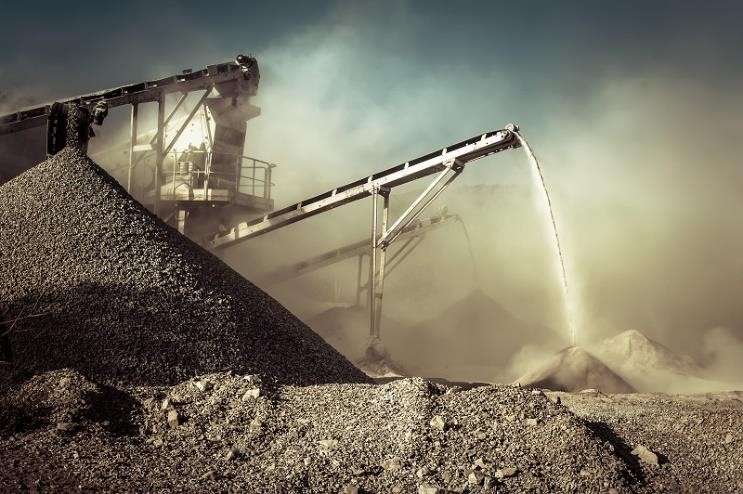
Water management plays a critical role in maintaining environmental compliance and operational efficiency. Mining processes require significant water use, particularly in beneficiation and material processing.
Modern operations focus on reducing freshwater consumption through closed-loop systems that recycle water used in processing. For example, advanced monitoring technologies track usage and detect inefficiencies, ensuring responsible water management. These practices are especially important in water-scarce regions where sustainable resource use is essential.
Dust Suppression Technologies
Dust suppression technologies are vital for maintaining safe and compliant mining environments. Traditional methods are now enhanced with advanced solutions that improve efficiency and reduce resource consumption.
IoT-enabled systems monitor dust levels and automatically activate control measures when needed. Additional methods such as chemical suppressants, fog systems, and mist technologies capture airborne particles more effectively. These approaches help improve air quality while supporting environmental compliance and operational safety.
Carbon Emissions Reduction Strategies
Reducing carbon emissions is a key focus for mining companies working to meet sustainability targets. Many operations are adopting electrified equipment and integrating renewable energy sources such as solar and wind.
Other strategies include improving energy efficiency, adopting alternative fuels, and exploring carbon capture technologies. Beyond that, digital monitoring tools further enhance energy management, helping mining operations reduce emissions while aligning with global decarbonization efforts.
Sustainability Reporting Standards
Reporting is becoming increasingly important for mining companies seeking transparency and accountability. Frameworks such as GRI 14, ISSB sustainability disclosures, and ISO 14001 guide companies in reporting environmental performance.
These standards focus on key areas including emissions reduction, water use, tailings management, and biodiversity protection. Through adopting recognized reporting frameworks, mining companies enhance stakeholder confidence while meeting regulatory expectations and demonstrating commitment to sustainable practices.
Final Thoughts
Environmental compliance and sustainability are reshaping mining operations by driving responsible resource management and reducing environmental impact. As regulatory requirements and sustainability expectations continue to evolve, mining companies will increasingly adopt innovative solutions that support both environmental protection and long-term industrial growth.