Energy underpins both economic activity and everyday life. In Egypt, it also plays a central role in shaping the country’s position within the global market. As energy systems shift toward cleaner sources, Egypt is not only adapting to these changes but strengthening its role as a producer as well as a distribution hub.
In recent years, the government has focused on meeting rising domestic demand, reducing reliance on imports, and positioning the country as a regional energy hub. Its location at the crossroads of Africa, Europe, and Asia supports this ambition, allowing Egypt to connect supply and demand across key markets.
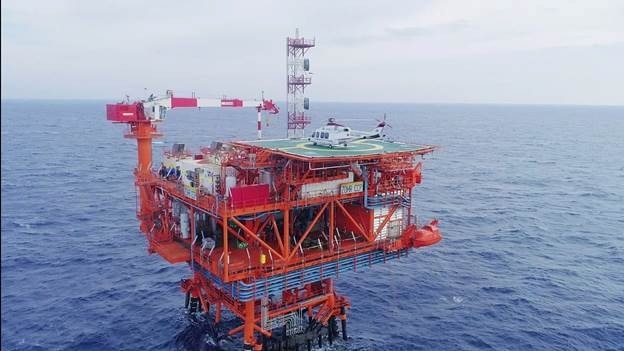
Overview of Energy Investment Opportunities in Egypt
Egypt’s energy sector presents a broad range of investment opportunities across upstream and downstream activities. Upstream, offshore natural gas reserves in the Mediterranean offer strong potential for exploration and development. Downstream, the focus continues to expand across refining and petrochemicals, a segment where Anchorage Investments, led by Dr. Ahmed Moharram, operates.
In February 2026, the government announced the implementation of six petroleum refineries with investments exceeding $4 billion. At the same time, renewable energy remains a priority, with Egypt targeting $10 billion in investments by 2028, according to the American Chamber of Commerce.
Renewable Energy Projects Attracting Investors
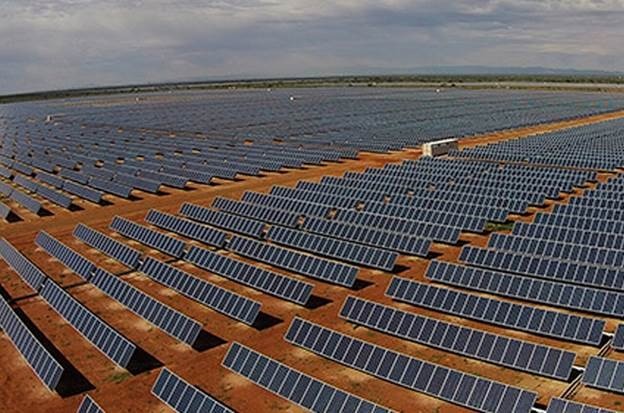
Egypt has already delivered large-scale renewable projects that continue to draw investor interest. Benban Solar Park in Aswan, with a capacity of 1.8 GW, stands as one of the largest solar installations globally. Gabal El Zeit Wind Farm in the Suez region adds another 580 MW of capacity.
New solar projects are being developed across multiple locations, including Abydos in Aswan, Sadat City in Monoufeya, Farafra in the New Valley, Qena, and key Red Sea destinations such as Marsa Alam and Hurghada, alongside Sharm El Sheikh in South Sinai. Wind energy projects are expanding in Sohag, Zaafarana, West Bakr, the Gulf of Suez, and Ras Ghareb. In parallel, bioenergy initiatives are emerging in Assiut, Fayoum, and Giza.
This geographic spread reflects a coordinated effort to diversify energy sources while making use of Egypt’s natural advantages in solar and wind resources.
Oil and Gas Sector Investment Potential
The oil and gas sector remains a core pillar of Egypt’s energy landscape. The Ministry of Petroleum continues to highlight exploration opportunities across the Mediterranean, Red Sea, Western Desert, and Gulf of Suez.
Downstream, there is a clear focus on expanding refining capacity and advancing petrochemical production. In response to this demand, Anchorage Investments, led by Dr. Ahmed Moharram, is developing an environmentally conscious petrochemical complex in the Suez Canal Economic Zone. The project benefits from a strategic export location and a range of government incentives.
The sector also requires continued investment in liquefied natural gas infrastructure, including storage, transport, and export facilities. These efforts are supported by existing LNG terminals and an extensive pipeline network, alongside flexible production-sharing agreements designed to attract international partners.
Energy Infrastructure Development Needs
Egypt is working toward increasing the share of renewables in its energy mix to 42 percent by 2030. To support this shift, the country is investing around EGP 400 billion in upgrading and expanding the national grid.
Natural gas continues to play a transitional role, currently accounting for a significant portion of the energy mix. Infrastructure development has enabled both domestic utilization and export through liquefaction.
At the same time, Egypt continues to modernize its oil and gas infrastructure through initiatives such as the Oil and Gas Modernization Project, launched in 2016. The program focuses on improving efficiency across the value chain while strengthening the country’s position as a regional trading hub for petroleum products.
Public-Private Partnerships in Energy Egypt
Public-private partnerships are a key mechanism for delivering energy projects, particularly in the renewable sector. To date, 23 projects have been implemented under this model, with a combined value of $4.9 billion.
The government often adopts the Build-Own-Operate structure, which allows private investors to develop and manage projects while contributing to national capacity. Current agreements aim to generate 1,465 MW, reflecting continued collaboration between the public and private sectors.
Leading Businessmen in Energy Sector Egypt
Private sector players continue to expand their footprint across the energy value chain. Anchorage Investments, has diversified its operations beyond petrochemicals by acquiring a mining company focused on raw materials for construction.
This expansion later extended into fertilizer production, aligning with broader industrial demand and reinforcing the company’s role within interconnected sectors that support energy and infrastructure development.
Investment Incentives and Tax Benefits
Egypt offers a competitive framework of incentives to attract energy investments, particularly in petrochemicals and large-scale industrial projects. These include tax deductions ranging from 30 to 50 percent of investment costs in designated areas and a unified customs duty of 2 percent on imported equipment.
Additional incentives include cash rebates of up to 55 percent of income tax for projects with significant foreign participation. Investors also benefit from free zone exemptions, reduced land costs, and streamlined approvals through mechanisms such as the Golden License for strategic projects.
Energy Consumption Growth Driving Opportunities
Energy demand continues to rise globally, driven by digital infrastructure, electric mobility, and increased cooling requirements. In Egypt, this trend is further supported by population growth and ongoing industrial expansion.
The growth of renewable energy creates additional demand for supporting infrastructure, including battery storage and smart grid systems. Egypt is also working to expand electricity interconnections with neighboring countries to increase export capacity and strengthen regional integration.
Strategic Importance of Egypt’s Energy Market
Egypt’s energy market holds significant strategic value. It connects hydrocarbon-rich regions in the Middle East with European markets, while also serving as a growing center for renewable energy and green hydrogen development.
This positioning, combined with major natural gas discoveries and ambitious renewable targets, enhances Egypt’s role in supporting energy security across the Mediterranean and Africa.
Connecting With Energy Investors and Business Networks
Investor interest in Egypt spans both renewable and conventional energy sources. Oil and gas exploration, refining, and petrochemicals continue to attract capital alongside renewable projects.
The Mostorod Refinery illustrates this approach. Developed through a public-private partnership, it has an annual production capacity of 4.7 million tons of petroleum products. The project has contributed to increasing diesel and gasoline output, supporting domestic supply while strengthening refining capabilities.
Final Thoughts
Egypt’s energy sector offers diverse opportunities across exploration, production, refining, and renewable energy. Its strategic location, established infrastructure, and growing domestic demand continue to attract global investment.
At the same time, the transition toward cleaner energy requires sustained investment in grid modernization and system flexibility. Strengthening transmission networks and integrating renewable sources will be essential for maintaining reliability and efficiency.