Egypt’s energy sector is entering a strong growth phase driven by rising electricity demand, industrial expansion, and the country’s long-term commitment to sustainable development. The government is actively encouraging both domestic and foreign investment in renewable energy, natural gas, and oil production projects.
Thanks to its strategic geographic location between Europe, Asia, and Africa, combined with abundant natural gas reserves and expanding infrastructure, Egypt has strengthened its position as a regional energy hub. Ongoing economic reforms, privatization efforts, and regulatory improvements are further enhancing investor confidence, making the sector one of the most attractive opportunities for long-term capital deployment in 2026.

Egypt Energy Investment Opportunities 2026 Overview
Egypt’s energy sector is expected to attract significant foreign direct investment over the next few years, with commitments exceeding $19 billion across major upstream and downstream projects.
Key international players include Eni, BP, Apache Corporation, and investment groups such as Emirates ARCIUS. These companies are allocating capital to exploration, production, and infrastructure development projects across Egypt’s oil and gas value chain.
Recent discoveries are also strengthening production capacity. New natural gas reserves in Kafr El Sheikh governorate are expected to add around 50 million cubic feet per day to national output. In addition, the Denise gas field in the Temsah concession area in the Mediterranean holds an estimated 2 trillion cubic feet of gas and more than 130 million barrels of condensates. Once operational, it is projected to produce 500–600 million cubic feet of gas daily, covering up to 10% of Egypt’s domestic demand. Production is expected to begin in 2027.
Oil and Gas Sector Investment Potential
Egypt’s oil and gas sector remains a core pillar of its energy strategy. International advisory discussions, including engagement with global consulting firms such as McKinsey & Company, highlight strong investor interest in expanding exploration and production activities.
The government’s strategy focuses on increasing domestic gas output, improving operational efficiency, and attracting advanced drilling technologies such as horizontal drilling. There is also a strong emphasis on maximizing existing infrastructure utilization and expanding downstream industries like petrochemicals and fertilizers.
These priorities align with the interests of major operators including Shell, Chevron, and TotalEnergies, which continue to explore opportunities in Egypt’s upstream and midstream sectors. At the same time, integrated industrial players such as Anchorage Investments are leveraging synergies between petrochemicals and energy infrastructure to expand regional production capacity.
Energy Transition Investment Opportunities in Egypt
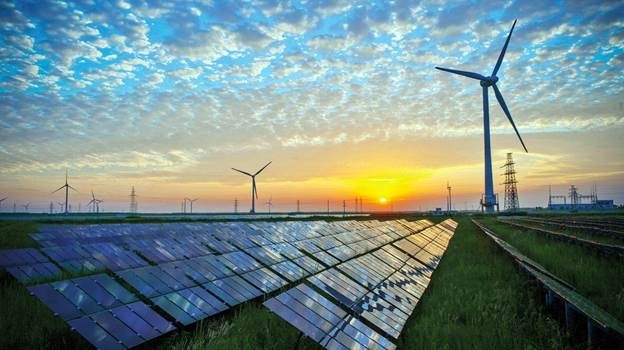
Egypt is accelerating its energy transition with a national target to increase renewable energy’s share in the energy mix to 42%. This transition represents an estimated $10 billion investment opportunity across clean energy and decarbonization projects.
Key focus areas include green hydrogen and green ammonia megaprojects in the Suez Canal Economic Zone, large-scale solar and wind installations, and industrial decarbonization projects designed to meet international climate standards such as the European Union Carbon Border Adjustment Mechanism (CBAM).
These initiatives are positioning Egypt as a competitive hub for clean energy exports and sustainable industrial production.
Renewable Energy Project Opportunities
Egypt has already made significant progress in renewable energy development. One of the largest operational projects is the Benban Solar Park, with a capacity of approximately 1.8 GW, making it one of the largest solar installations in the world. Another major project is the Gabal El Zeit Wind Farm, which contributes around 580 MW of wind power to the national grid.
Future renewable expansion includes solar projects in Aswan (Abydos), Sadat City, Farafra, Qena, Marsa Alam, Hurghada, and Sharm El Sheikh. Wind energy development is concentrated in areas such as Zaafarana, Ras Ghareb, West Bakr, and the Gulf of Suez region. Additional bioenergy projects are also being developed in Assiut, Fayoum, and Giza.
These diversified locations reflect Egypt’s strategy of distributing renewable assets across high-resource regions to maximize efficiency and grid stability.
Investors in Energy in Egypt Profiles
Egypt’s energy sector continues to attract leading global oil and gas companies involved in exploration and production. Major players include BP, Eni, Shell, Apache Corporation, Chevron, and TotalEnergies.
Foreign direct investment (FDI) in Egypt’s petroleum sector has reached multi-billion-dollar levels, with the energy industry historically accounting for a large share of total FDI inflows. This reflects strong investor confidence in Egypt’s resource base and regulatory environment.
Businessmen in Energy in Egypt Networks
Companies operating in petrochemicals and energy infrastructure often rely on regional and global partnerships to access advanced technologies, financing, and new markets. One example is Anchorage Investments, led by Ahmed Moharram, which continues to pursue partnerships aimed at expanding petrochemical production and strengthening Egypt’s industrial competitiveness.
These business networks support knowledge transfer, project development, and long-term investment growth across the energy sector.
Energy Investment Strategy Recommendations
Successful energy investment strategies in Egypt depend on balancing traditional hydrocarbons with renewable energy expansion. Key recommendations include diversifying across oil, gas, and renewables to manage price volatility, investing in grid modernization to support renewable integration, and focusing on infrastructure scaling to improve export capacity.
There is also significant opportunity in improving energy efficiency technologies and adopting advanced production methods that enhance output while reducing operational costs.
Investment Returns in the Energy Sector
The energy sector offers a mixed but attractive return profile depending on asset type. Renewable energy projects typically generate stable annual returns in the range of 8.5% to 10%, supported by long-term power purchase agreements and predictable demand.
Oil and gas investments, on the other hand, offer higher short-term returns driven by commodity price fluctuations, dividend yields, and capital appreciation during periods of geopolitical or supply-side volatility.
This dual structure makes Egypt’s energy sector appealing to both conservative infrastructure investors and higher-risk, higher-return investors.
Final Thoughts
Egypt’s energy sector presents strong investment opportunities in 2026, supported by rising demand, ongoing infrastructure expansion, and a clear national strategy focused on both sustainability and energy security.
With strong participation from global energy companies, large-scale renewable projects, and major gas discoveries, Egypt continues to strengthen its position as a leading regional energy hub.
As reforms continue and new projects come online, the sector is expected to remain a key driver of economic growth, foreign investment, and long-term industrial development.