Egypt is rapidly positioning itself as a leading petrochemical and industrial investment hub in the Middle East and North Africa. Its strategic geographic location, expanding infrastructure, and government-backed incentives make it an increasingly attractive destination for both regional and global investors. Industrial zones across the country provide direct access to ports, transport corridors, energy resources, and integrated logistics systems essential for petrochemical development.
Key industrial hubs such as the Suez Canal Economic Zone, Ain Sokhna Industrial Zone, Alexandria, Damietta, Port Said, and New Alamein form the backbone of Egypt’s industrial strategy, particularly in petrochemicals and export-oriented manufacturing.
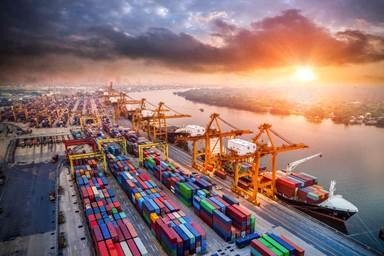
Ain Sokhna Industrial Zone Investment Benefits
The Ain Sokhna Industrial Zone is one of Egypt’s most important petrochemical and heavy industry hubs. Located along the Red Sea, it is designed to support light, medium, and heavy manufacturing alongside logistics and commercial activity.
Its key strength lies in connectivity. The zone is linked to Cairo via major highways and connected to the June 30 Axis, improving transport between the Red Sea and Mediterranean regions. This significantly reduces logistics time and costs.
Ain Sokhna also offers strong utility infrastructure, including desalination plants and wastewater treatment facilities, which are critical for petrochemical operations. These systems support large-scale, water-intensive industries.
The zone hosts hundreds of industrial projects across sectors such as petrochemicals, energy, construction materials, electronics, textiles, pharmaceuticals, and automotive assembly. It generates tens of thousands of direct and indirect jobs.
A notable investor in the area is Anchorage Investments, led by Ahmed Moharram, which selected Ain Sokhna for its petrochemical complex due to its infrastructure and export advantages.
Suez Canal Zone Industrial Investment Opportunities
The Suez Canal Economic Zone is a flagship industrial and logistics project located along one of the world’s busiest shipping routes. It offers four major development hubs: Ain Sokhna, East Port Said, Qantara West, and East Ismailia.
Each hub serves a different purpose. Ain Sokhna focuses on heavy industry and petrochemicals, East Port Said on logistics and light manufacturing, Qantara West on agribusiness and textiles, and East Ismailia on technology and innovation.
The SCZONE offers strong investment incentives, including customs exemptions on imported machinery, VAT exemptions on qualifying equipment, and streamlined “one-stop-shop” licensing services. It has attracted around $7.1 billion in investments in the 2025/2026 fiscal year, reinforcing its role as a major regional industrial and logistics center.
Egyptian Industrial Zones Petrochemicals Comparison
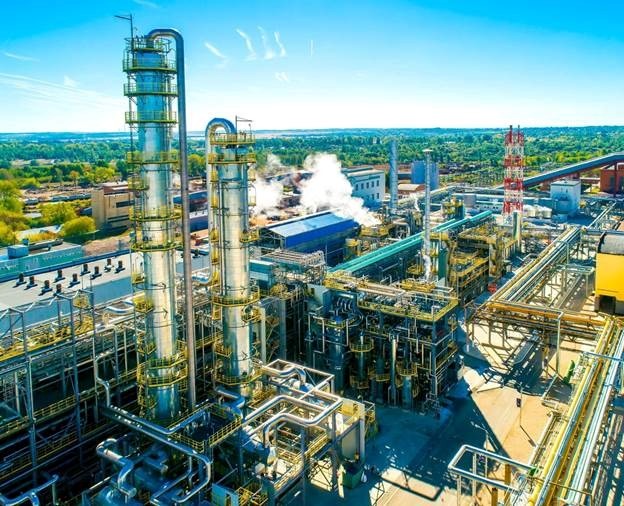
Egypt’s petrochemical production is distributed across multiple industrial clusters with different specializations. The SCZONE focuses on high-value petrochemical outputs such as propylene, benzene, and aromatics. These products support export-oriented, large-scale industrial operations.
Mediterranean hubs like Alexandria, Damietta, Port Said, and New Alamein focus more on fertilizers, methanol, ethylene, polyethylene, and refined chemical products. These coastal zones benefit from established port infrastructure and mature industrial ecosystems, making them highly efficient for export-driven production.
Infrastructure for Petrochemicals in Each Zone
Egypt has significantly expanded its petrochemical infrastructure to support industrial growth and reduce import dependence. The SCZONE is connected to Sokhna Port, DP World terminals, and Sonker bunkering facilities. It also benefits from pipeline networks and national road systems that streamline transport between production and export points.
The Suez Canal tunnels further improve connectivity between eastern and western industrial zones. On the Mediterranean coast, industrial hubs rely on integrated port and storage networks that support efficient export operations. These systems help reduce transportation costs and improve supply chain reliability. A key facility is Idku, historically focused on LNG exports, now being upgraded to support broader petrochemical and export activities.
Utilities Availability and Costs
Utilities are a critical factor in petrochemical investment, and Egypt has invested heavily in improving supply reliability. Natural gas is the primary feedstock for petrochemical production and remains competitively priced due to domestic reserves. This supports energy-intensive industries.
Electricity generation capacity has expanded significantly, ensuring stable supply for industrial operations and minimizing production disruptions. Water availability is supported through desalination and treatment plants, particularly in zones like Ain Sokhna, which host water-intensive industries.
Beyond that, land allocation and utilities are managed by government authorities such as the General Authority for Industrial Development and the New Urban Communities Authority, with pricing based on location and infrastructure level.
Proximity to Ports and Logistics Advantages
Proximity to ports is one of Egypt’s strongest advantages for petrochemical investment. Industrial zones near ports benefit from lower transport costs, faster export cycles, and reduced shipping delays. This improves operational efficiency and reduces logistics risks.
Egypt’s location along the Suez Canal enhances global connectivity between Europe, Asia, and Africa, making it a key logistics gateway for petrochemical exports.
Tax Incentives by Industrial Zone
Egypt offers a range of incentives under its Investment Law and Special Economic Zones framework. These include corporate tax reductions, investment cost deductions, and exemptions from customs duties and VAT on eligible equipment.
The SCZONE provides some of the most attractive packages due to its export-oriented structure and simplified regulatory environment, helping reduce startup costs and attract foreign investment.
Land Allocation Processes and Pricing
Egypt has expanded its industrial land offerings to support manufacturing growth. In early 2026, the government launched the 13th phase of serviced industrial land through the Egypt Industrial Digital Platform, offering 1,272 plots across 35 zones in 23 governorates.
Plots vary widely in size, supporting both SMEs and large industrial projects across sectors such as chemicals, food processing, textiles, and engineering industries. Key locations include 10th of Ramadan City, Badr City, New Borg El Arab, and New October City.
The government offers freehold and usufruct options, along with reduced fees and simplified digital application systems to ensure transparent allocation.
Success Stories from Existing Investors
A major example of industrial investment is the strategic partnership between SCZONE and Anchorage Investments to develop a petrochemical complex in Ain Sokhna.
The first phase, valued at around $2 billion, focuses on propane and hydrogen byproducts. The second phase, worth approximately $4.5 billion, expands production capacity into additional petrochemical outputs. The project is expected to create around 2,500 jobs and serve both domestic and export markets, highlighting Egypt’s growing industrial competitiveness.
Future Development Plans for Zones
Egypt’s petrochemical strategy extends through 2040, focusing on expanding domestic production, increasing exports, and reducing import dependency.
The government aims to attract billions in new investments while generating over $8 billion in import savings. Future expansion will integrate petrochemicals with refining, logistics, and renewable energy systems. The SCZONE will remain central due to its location and infrastructure, while Mediterranean hubs continue to modernize and expand capacity.
Final Thoughts
The development of industrial zones has positioned Egypt as a competitive destination for petrochemical investment in the Middle East and Africa. Strategic locations, reliable infrastructure, and supportive government policies continue to attract local and foreign investors. Expanding petrochemical projects in these zones will enhance economic growth, exports, and industrial development.