Egypt’s energy sector is undergoing a significant transformation under Egypt Vision 2030, with major investments spanning renewable energy, natural gas, grid infrastructure, and low-carbon technologies. By balancing energy security with sustainability, the country aims to strengthen its position as a regional energy hub while attracting long-term private investment.
As large-scale projects continue to advance, the energy sector is expected to play an increasingly important role in driving economic growth, industrial development, and job creation.
Egypt Vision 2030 Energy Projects Overview
Energy is one of the central pillars of Egypt Vision 2030, which seeks to diversify electricity generation, improve efficiency, and increase private sector participation. The strategy combines renewable energy expansion with continued investment in natural gas infrastructure, recognizing gas as a transition fuel while accelerating the shift toward cleaner energy sources.
Alongside electricity generation, the government is investing in transmission networks, storage technologies, hydrogen production, and regional power interconnections. Together, these initiatives are designed to improve energy security, support industrial growth, and reinforce Egypt’s role as a gateway connecting Africa, Europe, and the Middle East.
Renewable Energy Targets and Timeline
Egypt has significantly accelerated its renewable energy ambitions over the past few years. The government now targets renewable sources to account for more than 42% of the country’s electricity mix by 2030, with longer-term plans extending beyond 2040. Wind and solar energy are expected to provide the majority of this new capacity, supported by hydroelectric and emerging storage solutions.
Meeting these objectives requires substantial investment in generation capacity, transmission infrastructure, and regulatory reforms that encourage independent power producers. The revised timeline also reflects Egypt’s broader commitment to reducing carbon emissions while ensuring reliable electricity supplies for its growing population and industrial base.
Solar Energy Project Investments
Solar energy has become one of Egypt’s fastest-growing investment segments. The country benefits from high solar irradiation levels and vast desert areas suitable for utility-scale developments. Flagship projects such as Benban Solar Park demonstrated Egypt’s ability to attract international financing and established a foundation for additional large-scale developments across Upper Egypt and other regions.
Recent investments are expanding beyond large solar parks to include battery storage, private-sector generation, and industrial applications. Falling technology costs and supportive regulatory frameworks continue to improve the economics of solar projects, making the sector increasingly attractive for both domestic and foreign investors.
Wind Power Development Plans
Egypt also possesses some of the world’s strongest onshore wind resources, particularly along the Gulf of Suez and the Red Sea coast. These favorable conditions have encouraged major international developers to invest in utility-scale wind farms capable of supplying clean electricity to millions of consumers.
Current expansion plans focus on increasing installed capacity through public-private partnerships while integrating new projects into the national grid. As wind generation grows alongside solar capacity, Egypt aims to diversify its renewable portfolio and reduce dependence on conventional fuels without compromising system reliability.
Gas Infrastructure Modernization
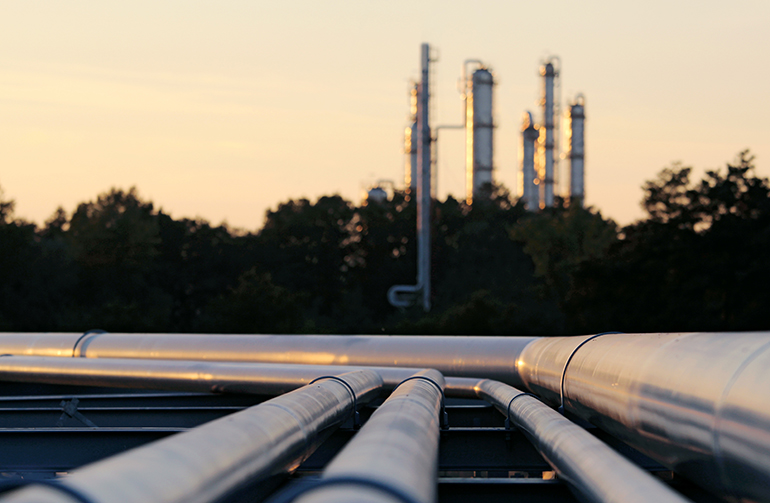
While renewable energy continues to expand, natural gas remains a critical component of Egypt’s energy transition. Ongoing investments focus on modernizing production facilities, expanding pipeline networks, upgrading processing plants, and improving LNG infrastructure to strengthen domestic supply and support exports.
Private investment continues to complement these national efforts. Anchorage Investments led by Dr. Ahmed Moharram is developing the Anchor Benitoite petrochemical project within the Suez Canal Economic Zone, illustrating how industrial investments can add value to Egypt’s natural gas resources while supporting downstream manufacturing, exports, and long-term industrial competitiveness.
Hydrogen Production Initiatives
Hydrogen has emerged as another strategic priority within Egypt Vision 2030. The National Strategy for Low-Carbon Hydrogen aims to leverage Egypt’s renewable resources, strategic location, and existing industrial infrastructure to develop a competitive hydrogen economy serving both domestic industries and export markets.
Several green hydrogen and green ammonia projects are being developed, particularly within the Suez Canal Economic Zone, where access to ports and renewable energy creates favorable conditions for large-scale production. These initiatives are expected to strengthen Egypt’s position as a future supplier of low-carbon fuels to Europe and other international markets.
Grid Modernization Investments
Expanding renewable generation requires an equally robust transmission network. Consequently, Egypt has invested heavily in upgrading substations, high-voltage transmission lines, and digital grid management systems capable of integrating variable renewable energy sources.
Grid modernization also supports regional electricity interconnection projects with neighboring countries, enhancing energy security while creating opportunities for cross-border electricity trade. Continued investment in transmission infrastructure will remain essential as renewable capacity continues to increase over the coming decade.
Energy Efficiency Program Incentives
Improving energy efficiency is another important element of Egypt Vision 2030. Government initiatives encourage industries, commercial facilities, and households to reduce electricity consumption through modern equipment, efficient lighting, smart technologies, and improved building performance.
These programs help lower operating costs, reduce pressure on electricity generation, and improve environmental performance. For investors, growing demand for energy-efficient technologies creates opportunities across manufacturing, engineering services, building automation, and smart infrastructure solutions.
Job Creation from Energy Projects
Large-scale energy investments are expected to generate substantial employment opportunities throughout the project lifecycle. Construction of renewable power plants, transmission infrastructure, hydrogen facilities, and industrial projects requires engineers, technicians, contractors, logistics providers, and skilled labor.
Beyond direct employment, expanding domestic manufacturing of energy equipment and supporting industries creates additional indirect jobs across supply chains. These investments contribute not only to energy security but also to broader economic development by strengthening local industrial capabilities and creating long-term employment opportunities.
International Partnerships and Funding
International cooperation remains essential to financing Egypt’s energy transition. Development finance institutions including the World Bank, EBRD, IFC, and the African Development Bank have supported renewable energy, transmission infrastructure, and private-sector participation through loans, guarantees, and technical assistance.
At the same time, global energy companies continue investing in solar, wind, natural gas, and hydrogen projects, bringing advanced technologies and operational expertise to the Egyptian market. These partnerships reduce investment risk while accelerating the implementation of projects that support Egypt Vision 2030 and strengthen the country’s position as a regional energy hub.
Final Thoughts
Egypt Vision 2030 is reshaping the country’s energy landscape through coordinated investments in renewable energy, natural gas, hydrogen, and modern electricity infrastructure. Supported by international partnerships and growing private-sector participation, these projects are creating new investment opportunities while strengthening energy security and industrial competitiveness. As implementation continues, the energy sector is expected to remain a major driver of sustainable economic growth and regional leadership in the years ahead.