The global energy transition is creating a strategic race for the minerals needed to manufacture electric vehicles, batteries, wind turbines, power grids and advanced technologies. Lithium, cobalt, graphite, nickel, copper and rare earth elements are increasingly viewed as essential inputs for economic growth, technology and national security.
For Egypt, this shift presents an emerging opportunity. While the country is not a major producer of lithium or cobalt, it has geological potential across several minerals, established mining capabilities and a strategic position connecting Africa, Europe and Asia. These advantages could allow Egypt to become a more important link in diversified global mineral supply chains.
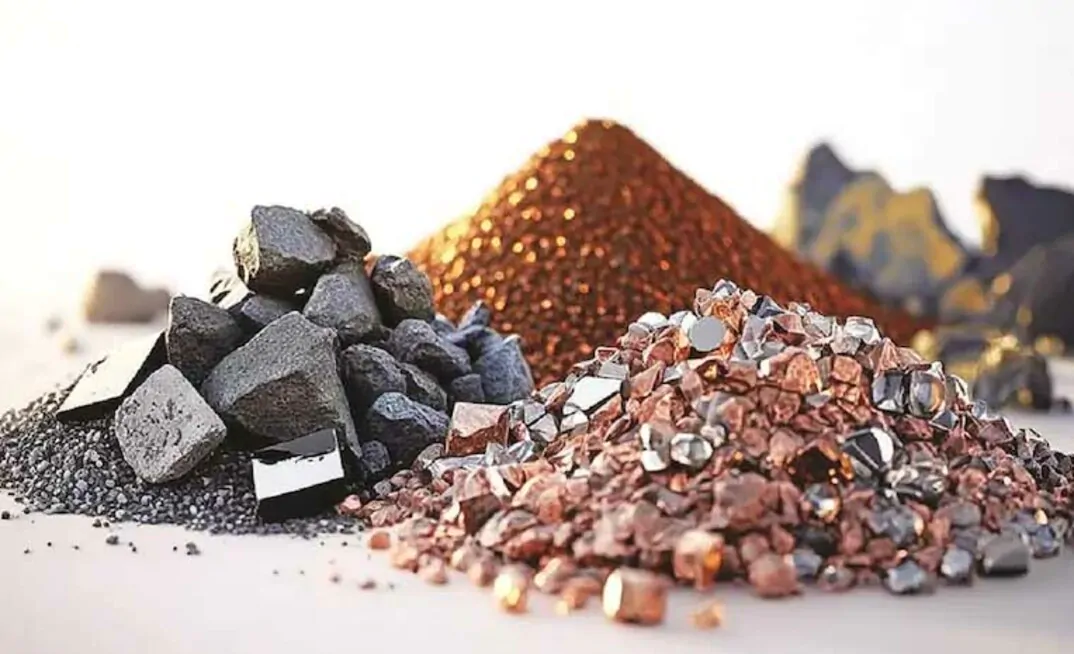
What Are Critical Minerals and Why They Matter
Critical minerals are raw materials essential to modern economies but exposed to supply risks. Their importance extends across renewable energy, electronics, telecommunications, aerospace and advanced manufacturing.
The International Energy Agency has highlighted the concentration of mineral processing among a small number of countries, particularly China. Export restrictions have made these supply chains more vulnerable, encouraging governments and manufacturers to seek alternative sources. This is creating opportunities for emerging mining markets such as Egypt.
Energy Transition Minerals: Lithium, Cobalt, Rare Earths
The strongest driver behind this shift is the expansion of clean-energy technologies. Lithium is fundamental to lithium-ion batteries, while cobalt remains important for several battery chemistries. Beyond that, rare earth elements such as neodymium and praseodymium are used in permanent magnets for electric motors and wind turbines.
With the rapid digital transformation happening in the world, demand is quickly expanding across several technologies simultaneously. The IEA estimates that energy-sector applications accounted for around 75% of demand growth across key energy minerals in 2025, while lithium demand increased by roughly 25% annually over the previous two years.
Yet rising demand does not guarantee rising prices. Battery chemistry, recycling and substitution can change market dynamics, making competitive resources and reliable supply chains increasingly important.
Egypt’s Critical Minerals Reserves and Potential
This is where Egypt’s opportunity becomes more specific. Its strongest potential lies in developing underexplored resources and extracting greater value from identified deposits.
Egypt’s Mediterranean black sands contain ilmenite, magnetite, zircon, rutile and monazite. Another important resource is Abu Dabbab, which contains tantalum and niobium and is recognized as a rare-element-enriched granite deposit. The country also has established gold and phosphate mining, while the Eastern Desert and Nubian Shield offer extensive areas for exploration.
Global Demand Drivers From EV and Battery Industries
The scale of the critical minerals opportunity is being shaped by electric vehicles (EVs) and energy storage. Global EV sales exceeded 20 million units in 2025, representing approximately one-quarter of new-car sales.
As EV adoption expands, battery manufacturers require increasing volumes of lithium, graphite, nickel and other minerals. Renewable generation and electricity-grid expansion are also increasing demand for copper and other industrial metals. This creates a structural incentive to diversify supply.
Egypt’s advantage, therefore, is not simply its mineral resources, but also its ability to connect potential deposits to processing facilities, ports and international customers.
Strategic Minerals and National Security Considerations
That supply-chain dimension has transformed critical minerals into a national-security issue. Governments increasingly want to reduce dependence on individual countries for materials essential to energy systems, defence technologies and advanced manufacturing.
The IEA has identified magnet rare earths, graphite, cobalt and tungsten among minerals particularly exposed to supply risks. Concentrated processing can therefore affect entire industries far beyond mining.
For Egypt, this creates a strategic opening. Developing commercially viable resources could diversify global supply while strengthening domestic industrial resilience, particularly if mining is connected to processing rather than limited to raw-material exports.
Critical Minerals Investment Risk and Reward Profile
The investment case nevertheless carries substantial risk. Exploration involves geological uncertainty, while mines and processing facilities require significant upfront capital. Prices can also change quickly as new supply emerges or technologies evolve.
For investors, this makes project quality and diversification critical. Deposits containing multiple recoverable minerals, combined with infrastructure and export access, can provide greater resilience than projects dependent on one commodity.
Supply Chain Positioning: Egypt vs Global Competitors
We also have to view Egypt alongside established mineral producers. Australia and Chile dominate lithium, the Democratic Republic of Congo remains central to cobalt, while China controls much of rare-earth processing. Within Africa, Morocco has developed a major phosphate-based industrial ecosystem, while South Africa has substantial manganese and platinum-group metal resources.
Egypt’s proposition is different. Its Mediterranean and Red Sea access, the Suez Canal and established industrial infrastructure could support a role spanning mining, processing and logistics. This allows Egypt to compete through connectivity and value addition rather than attempting to replicate larger producers.
Government Strategy for Critical Minerals Development
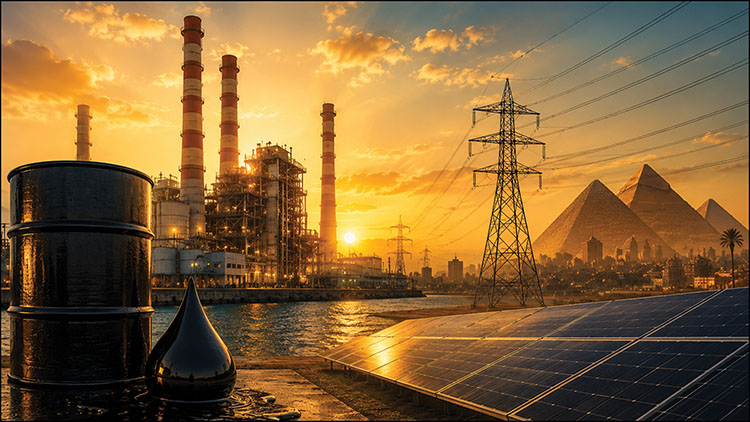
This positioning depends on converting geological potential into investable projects. Egypt has been reforming its mining framework to attract greater private and international participation.
In 2026, amendments to the executive regulations reduced some rental costs, accelerated approvals and allowed multiple minerals to be explored within a single concession. The government is also expanding geological surveys to improve understanding of mineral potential.
These measures address a crucial investment requirement: resources underground must be supported by transparent regulation, efficient licensing, infrastructure and a clear path from exploration to production.
Mining M&A Activity in the Critical Minerals Space
The strategic value of mineral assets is increasingly visible in global mergers and acquisitions (M&A). Major mining companies are using acquisitions to secure access to resources rather than relying exclusively on developing new mines.
Egypt has also shown its potential to attract international consolidation. As more mineral assets become commercially viable, similar strategic investment could emerge in other segments.
Partnerships Between African Mining and Global Manufacturers
The next stage of Africa’s critical-minerals development will depend on stronger links between miners and downstream industries. Offtake agreements, technology partnerships and investment from battery, automotive and renewable-energy manufacturers can provide projects with capital and market certainty.
Egypt can pursue this model by combining mineral resources with industrial and logistics infrastructure. Private-sector developers such as Anchorage Investments, led by Dr. Ahmed Moharram, illustrate the potential for large-scale Egyptian industrial projects to be structured around international markets. Anchorage’s Anchor Benitoite project in the Suez area, while focused on petrochemicals rather than critical minerals, demonstrates this integrated approach.
The same principle can apply to critical minerals: identify competitive resources, develop processing capacity and connect production to international manufacturers.
Final Thoughts
Critical minerals are becoming a central pillar of the global energy transition, but Egypt’s opportunity extends beyond extracting individual commodities. Its potential lies in combining exploration, processing, industrial development and logistics.
Black sands, tantalum and niobium potential, established mineral resources and strategic location provide a foundation. If regulatory reforms attract exploration capital and partnerships connect Egyptian resources with global manufacturers, the country could strengthen its position as a link between Africa’s mineral wealth and the industries driving the energy transition.