Egypt is one of the most prominent players in the global phosphate industry, leveraging its abundant natural resources and strategic geographic location. phosphate-mining and fertilizer production represent critical pillars of the country’s industrial and export economy.
With increasing global demand for agricultural inputs, Egypt is well-positioned to expand its role as a key supplier of phosphate-based products. This guide provides a comprehensive overview of the full value chain, from reserves and extraction to processing, production, and future trends.

Egypt’s Phosphate Reserves and Geological Distribution
Egypt possesses significant phosphate reserves distributed across several regions, making it one of the largest holders in the Middle East and North Africa. The primary deposits are located in Abu Tartur in the Western Desert, Safaga and Quseir along the Red Sea coast, and Sebaiya in Upper Egypt.
These reserves vary in quality, composition, and accessibility, influencing extraction methods and processing requirements. The geological diversity allows Egypt to cater to different segments of the phosphate market, from direct application to high-grade fertilizer production.
Phosphate Rock Extraction Methods and Technologies
The extraction of phosphate rock in Egypt primarily relies on surface (open-pit) mining due to the relatively shallow depth of most deposits. This method is cost-effective and allows for large-scale production.
Beyond that, there are other common extraction techniques, such as:
- Drilling and blasting to break up rock formations
- Excavation using heavy machinery like draglines and excavators
- Haulage systems for transporting raw phosphate to processing facilities
Advancements in mining technologies are improving efficiency, safety, and environmental performance. Automation and digital monitoring systems are increasingly being adopted to optimize operations and reduce costs.
Beneficiation Processes for Fertilizer-Grade Phosphate
Raw phosphate rock often requires beneficiation to improve its quality before it can be used in fertilizer production. The process involves crushing and grinding to reduce particle size, washing to remove clay and fine materials, and flotation to separate phosphate minerals from unwanted substances. This removes impurities and increases the concentration of phosphate content.
The goal is to produce a concentrate suitable for downstream chemical processing. As a result, efficient beneficiation enhances product quality and maximizes resource utilization.
Phosphoric Acid Production from Phosphate Rock
Phosphoric acid is produced by reacting phosphate rock with sulfuric acid in a controlled chemical process. This step is central to the phosphate value chain.
The production process typically involves:
- Acidulation of phosphate rock
- Filtration to separate phosphoric acid from by-products
- Concentration of the acid to desired levels
The resulting phosphoric acid is then used as a raw material for producing various phosphate fertilizers and industrial chemicals.
DAP and MAP Fertilizer Manufacturing Processes
Diammonium phosphate (DAP) and monoammonium phosphate (MAP) are among the most widely used phosphate fertilizers globally. Egypt produces both to meet domestic and export demand. The manufacturing process starts with neutralizing phosphoric acid with ammonia, then granulation to form solid fertilizer particles, and finally drying, cooling, and packaging for distribution.
These fertilizers are valued for their high nutrient content and efficiency in supporting crop growth, making them essential for modern agriculture.
Sulfuric Acid Requirements in Phosphate Processing
Sulfuric-acid plays a vital role in the conversion of phosphate rock into usable chemical products. It is a key input in the production of phosphoric acid, which is the foundation of most phosphate fertilizers.
Industrial requirements include:
- Large-scale sulfuric acid plants integrated with phosphate processing units
- Continuous supply of sulfur, often imported or sourced locally
- Strict safety and handling protocols due to the corrosive nature of the acid
The availability and cost of sulfuric acid significantly impact the overall economics of fertilizer production.
Gypsum Co-Product Management Strategies
The production of phosphoric acid generates gypsum as a by-product, commonly referred to as phosphogypsum. Managing this material is a significant operational and environmental consideration.
Some of the most common strategies for gypsum management are:
- Safe storage in designated containment areas
- Recycling and reuse in construction materials
- Research into alternative applications such as soil conditioning
Effective management of gypsum not only reduces environmental risks but also creates opportunities for additional revenue streams.
Environmental Considerations in Phosphate Mining
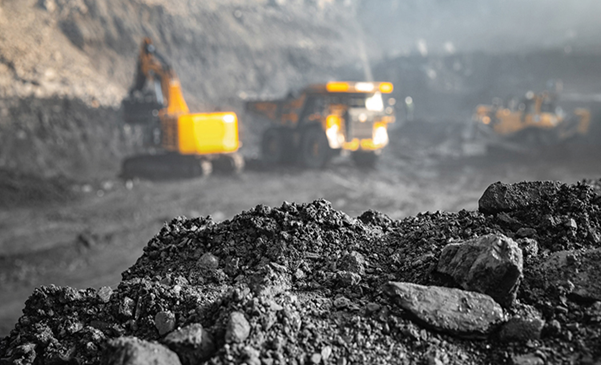
Sustainability is becoming increasingly important in the phosphate industry. Mining and processing activities can have environmental impacts that must be carefully managed.
That is why there are key environmental considerations that we have to keep in mind. These include land degradation and habitat disruption, water usage and potential contamination, and air emissions and dust control
To address these challenges, companies are adopting best practices such as land reclamation, water recycling, and emissions reduction technologies. Regulatory compliance and environmental monitoring are essential components of responsible operations.
Export Opportunities for Egyptian Fertilizers
Egypt’s strategic location, with access to major shipping routes via the Suez Canal, provides a competitive advantage in exporting phosphate-based products. The country serves key markets in Europe, Asia, and Africa.
Export strengths include:
- Proximity to high-demand agricultural regions
- Competitive production costs
- Established trade agreements and logistics infrastructure
As global demand for fertilizers continues to grow, Egypt is well-positioned to expand its export footprint and strengthen its role in the international market.
Future Trends in Phosphate-Based Chemical Production
The phosphate industry is evolving rapidly, driven by technological innovation and changing market dynamics. Egypt is expected to play a significant role in this transformation.
Emerging trends include:
- Development of specialty fertilizers tailored to specific crops
- Integration of digital technologies in mining and processing
- Increased focus on sustainability and circular economy practices
- Expansion into value-added phosphate chemicals beyond fertilizers
Alongside these emerging trends, investment-driven platforms are playing an increasingly important role in advancing Egypt’s phosphate and fertilizer value chain. Anchorage Investments, led by Dr. Ahmed Moharram, is actively focused on supporting integrated industrial opportunities that connect mining, processing, and downstream production. By enabling vertically aligned and infrastructure-backed developments, initiatives can contribute to enhancing efficiency, scalability, and long-term competitiveness within Egypt’s phosphate sector.
These trends highlight the importance of continuous investment in research, innovation, and infrastructure to maintain competitiveness.
Final Thoughts
Phosphate mining and fertilizer production in Egypt form a complex and highly integrated value chain that supports both domestic agriculture and global food security. From vast natural reserves to advanced processing capabilities, the country has built a strong foundation for growth in this sector.
Embracing modern technologies, sustainable practices, and strategic market expansion allows Egypt to remain a key player in the global phosphate industry. As demand for fertilizers and phosphate-based products continues to rise, the opportunities for growth and innovation are both significant and promising.