Egypt’s petrochemical sector is entering a decisive phase of circular transformation. In 2026, national policy frameworks, infrastructure investments, and industrial integration are converging to reduce waste, lower carbon intensity, and strengthen resource efficiency across the value chain. Chemical recycling, carbon utilization, water recovery, and industrial symbiosis are no longer peripheral initiatives but central pillars of Egypt’s sustainable petrochemical strategy.
As regulatory frameworks tighten and export markets increasingly demand low-carbon products, circular economy integration is positioning Egypt to enhance competitiveness while aligning with Vision 2030 sustainability objectives.
In this article, we are going to discuss the key technologies, policy frameworks, and industrial strategies shaping Egypt’s circular petrochemical transition toward 2026.
Chemical Recycling Technologies Transforming Plastic Waste
Advanced recycling technologies are expected to play a central role in Egypt’s circular petrochemical strategy in 2026. Processes such as pyrolysis, catalytic depolymerization, and emerging photochemical methods break down mixed and contaminated plastics into monomers and virgin-equivalent feedstocks, overcoming the limitations of mechanical recycling.
When integrated with AI-powered sorting systems, these technologies improve recovery rates and enable high-value material reprocessing for new plastic production. Supported by national policies targeting single-use plastic reduction and expanded waste-to-energy infrastructure, chemical recycling is emerging as a cornerstone of a closed-loop petrochemical economy.
Mechanical Recycling Integration with Virgin Production
Egypt’s circular roadmap is reinforced by expanding recycling infrastructure and industrial integration. Partnerships established by 2025 are advancing facilities that convert recycled plastics and textile waste into polyester fiber and synthetic felt to support large-scale production. Through blending recycled polyethylene terephthalate (PET) with virgin feedstock, these partnerships maintain product quality while lowering environmental impact.
These initiatives are billion-pound textile investments, which gives it the momentum to focus on export-oriented, high-value products aligned with Egypt’s Environmental, Social, and Governance (ESG) priorities.
Carbon Capture Utilization in Egyptian Facilities
Carbon Capture and Utilization is becoming a strategic component of Egypt’s low-carbon petrochemical transition under Vision 2030. Refinery modernization programs are enhancing hydrogen production and improving overall resource efficiency, while pilot capture projects in mature oil concessions aim to store and utilize tens of thousands of tons of CO₂ annually.
In parallel, green petrochemical projects are advancing, including the planned production of 60,000 tons per year of bioethylene derived from locally sourced bioethanol, alongside expanded PVC manufacturing in Port Said.
These developments support Egypt’s shift toward lower-carbon, circular petrochemical production while strengthening compliance with evolving international standards.
Waste-to-Chemical Conversion Pathways
Egypt’s government is targeting recycling rates of 60% of municipal waste by 2027, supported by new policies and the Waste Management and Resources Authority to attract investment into formal recycling systems. This makes waste transformation central to Egypt’s circular petrochemical framework.
Municipal solid waste, consisting of 56 percent organic material alongside plastic and paper fractions, offers significant potential for thermochemical processes such as gasification, pyrolysis, and incineration, as well as biochemical routes including anaerobic digestion. Cairo alone could generate up to 362 MW under a mass-burn waste-to-energy scenario.
Integrating recycling with biological treatment enhances resource efficiency and converts waste into both energy and chemical feedstocks aligned with national sustainability goals.
Closed-Loop Water Systems Design
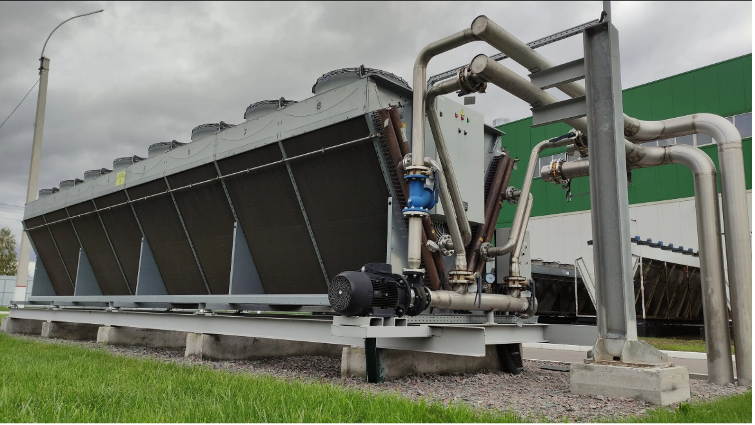
Declining per capita renewable water availability makes in-plant recycling essential for petrochemical sustainability. Therefore, closed-loop water systems are becoming central to Egypt’s circular strategy in 2026.
Advanced treatment technologies, including flash vaporization and membrane filtration, enable recovery of up to 85 to 90 percent of produced water while reducing salinity to below 1,000 ppm.
These systems can reduce wastewater disposal volumes by nearly 80 percent, cut greenhouse gas emissions by 25 to 30 percent, and lower treatment costs by up to 35 percent. Beyond environmental benefits, this approach enhances operational resilience across industrial facilities.
Bio-based Feedstock Blending Strategies
A new form of circular economy is accelerating across Egypt’s petrochemical sector to reduce fossil fuel dependence. In this new economy, agricultural residues such as rice husks, sugarcane bagasse, banana stems, and waste cooking oils are increasingly incorporated into conventional refining streams and turned into bio-based feedstocks.
These bio-based inputs can be produced through catalytic technologies such as pyrolysis, hydrocracking, and chemical depolymerization. Plus, by blending these inputs with traditional naphtha, investors can lower carbon intensity while limiting capital expenditure on leveraging existing infrastructure.
On another level, coordinating supply chains between waste collectors, technology providers, and producers is advancing scalable biorefinery models that convert agricultural waste into multiple value-added outputs.
Industrial Symbiosis Between Facilities
Across Egyptian Industrial zones, industrial symbiosis is gaining traction as a practical mechanism to transition from linear production to circular industrial ecosystems.
In light of this transition, many companies, supported by initiatives such as the Global Eco-Industrial Parks Programme, are identifying opportunities to exchange waste streams, by-products, water, and energy between facilities.
Source mapping in zones such as Borg El-Arab and Polaris Parks has identified numerous potential linkages, from converting industrial by-products into construction materials to reusing treated wastewater across neighboring plants.
Extended Producer Responsibility Implementation
Extended Producer Responsibility (EPR) is being actively implemented in Egypt as a cornerstone of its transition toward a circular economy. Under Law No. 202 of 2020, financial and operational responsibility for post-consumer waste management is placed on producers rather than municipalities.
Furthermore, the Prime Ministerial Decree No. 662/2025 applies EPR specifically to single-use plastic bags, requiring registration, reporting, and disposal fee compliance of 37.50 EGP per kilogram for safe disposal.
Designing Products for Recyclability
Eco-design principles are finding their way into Egypt’s petrochemical and plastics industries. Manufacturers are shifting toward mono-material packaging, reduced material complexity, and products that are durable, repairable, and easier to disassemble.
Through selecting materials compatible with existing recycling streams and increasing recycled content, this approach can lower lifecycle emissions and reduce waste leakage dramatically.
Policy instruments such as EPR and eco-labeling standards reinforce this transition, while partnerships with international organizations support small and medium enterprises across polymer value chains.
Economic Models for Circular Operation
Circular production is reshaping traditional petrochemical economics by prioritizing value retention and resource productivity, using emerging economic models that focus on circular supply chains, chemical recycling, and industrial symbiosis. In these models, agricultural residues, plastic waste, and produced water are increasingly treated as secondary raw materials within integrated supply chains.
Operationally, reverse logistics systems, EPR mechanisms, and digital coordination platforms strengthen recycling loops and stakeholder connectivity. These models reduce import dependence, lower emissions, and generate domestic economic value through localized recycling and job creation.
Within this evolving framework, Anchorage Investment led by Dr. Ahmed Moharram views circular petrochemical integration as a long-term strategy for industrial resilience, competitiveness, and sustainable growth in Egypt.
Final Thoughts
Egypt’s circular petrochemical transition toward 2026 reflects a structural shift from linear production to integrated resource efficiency. Chemical recycling, carbon utilization, water recovery, industrial symbiosis, and regulatory reform are collectively reshaping the sector’s operating model.
As infrastructure, policy, and technology continue to align, circular economy integration will remain central to strengthening environmental performance, export competitiveness, and long-term industrial sustainability.