Chemical plants are the backbone of modern manufacturing, producing the raw materials and specialized compounds used across industries ranging from construction and agriculture to healthcare and electronics. While all chemical plants transform raw materials through controlled chemical processes, their design, scale, and investment requirements vary considerably depending on the products they manufacture.
Understanding these differences helps investors and industry stakeholders evaluate project feasibility, operational complexity, and long-term growth opportunities.
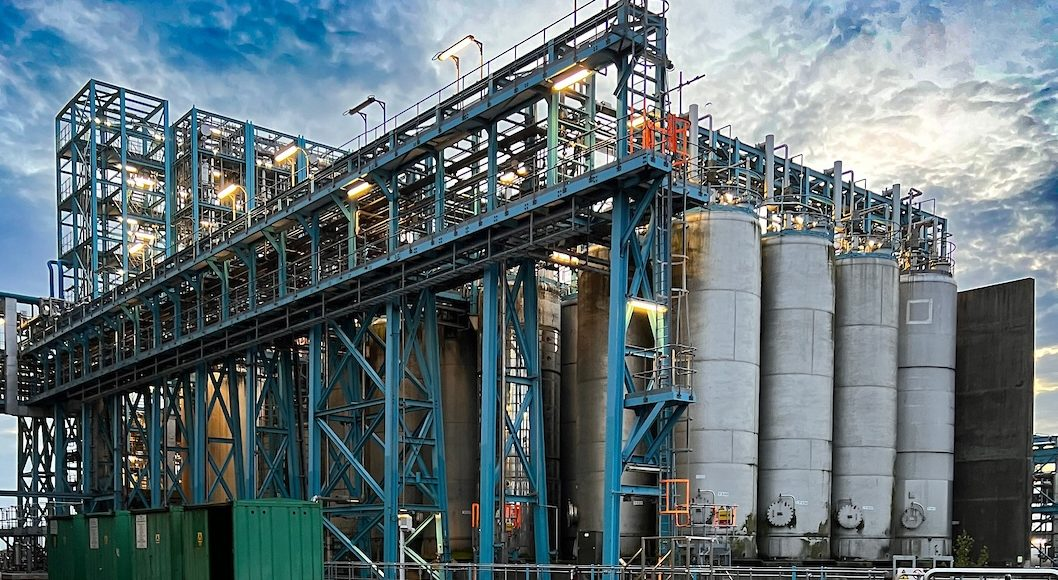
What Are Chemical Plants and How They Operate
A chemical plant is an industrial facility that converts raw materials into chemical products through a series of controlled physical and chemical processes. Typical feedstocks include natural gas, crude oil derivatives, minerals, and agricultural materials, depending on the end product. Modern plants generally follow four main stages:
- feedstock preparation
- chemical reaction
- product separation and purification
- storage before distribution
To ensure consistent production, chemical plants rely heavily on automated process control systems that monitor temperature, pressure, flow rates, and product quality in real time. Safety systems, environmental controls, and preventive maintenance are equally critical, as chemical manufacturing often involves hazardous materials and energy-intensive operations. These integrated systems help maximize operational efficiency while complying with increasingly stringent environmental and occupational safety regulations.
Commodity Chemical Plants vs Specialty Chemical Plants
Chemical plants generally fall into two broad categories: commodity and specialty facilities. Commodity chemical plants manufacture high-volume, standardized products such as ethylene, methanol, ammonia, sulfuric acid, and caustic soda. These products serve as essential building blocks for numerous downstream industries and compete primarily on production efficiency and cost.
In contrast, specialty chemical plants produce lower-volume, high-value products designed for specific applications. Examples include catalysts, industrial coatings, electronic chemicals, food additives, and performance chemicals. Unlike commodity producers, specialty manufacturers compete through product innovation, technical performance, and customer-specific formulations. As a result, specialty plants typically require more advanced research capabilities, rigorous quality control, and closer collaboration with end users, although they often generate higher profit margins.
Bulk Chemical Production Facilities
Large-scale production facilities are designed to manufacture high volumes of industrial chemicals using continuous processing systems. Their operations prioritize economies of scale, enabling producers to reduce unit costs while maintaining consistent output. These facilities require substantial investments in reactors, storage tanks, utility networks, pipelines, and logistics infrastructure to ensure uninterrupted production.
Typical outputs include fertilizers, industrial gases, petrochemical feedstocks, and basic organic and inorganic chemicals that support manufacturing, agriculture, and infrastructure development. Because these facilities consume significant amounts of energy and raw materials, operators increasingly invest in energy-efficient technologies, emissions reduction systems, and process optimization to improve both profitability and environmental performance.
Fine Chemicals Manufacturing Operations
Fine chemical manufacturing focuses on producing highly pure chemical compounds in relatively small batches. Unlike bulk chemicals, these products are often manufactured to precise customer specifications and require strict quality assurance throughout every production stage.
These specialized products play a critical role in industries such as pharmaceuticals, biotechnology, agrochemicals, and electronics, where product purity directly affects performance and regulatory compliance. Consequently, manufacturers invest heavily in laboratory testing, analytical equipment, traceability systems, and highly trained personnel.
Polymer Production Plant Requirements
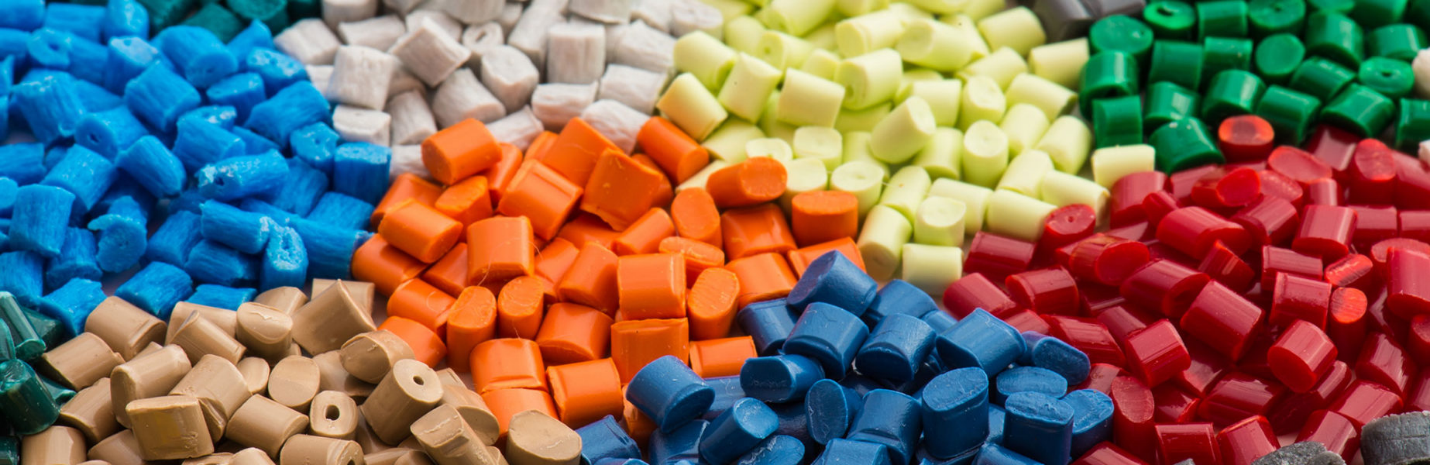
Polymer production plants convert petrochemical feedstocks such as ethylene and propylene into widely used plastics, including polyethylene, polypropylene, and polyvinyl chloride (PVC). These facilities rely on polymerization technologies that require precise process control to achieve consistent product quality and performance.
Developing a polymer plant demands significant capital investment in reactors, compressors, cooling systems, storage facilities, and utility infrastructure. Reliable access to feedstock is equally important, making many polymer facilities strategically located near refineries or petrochemical complexes. Environmental management systems, waste treatment facilities, and emissions control technologies have also become essential components as producers work to improve sustainability while meeting increasingly rigorous regulatory standards.
Pharmaceutical Chemical Manufacturing Plants
Pharmaceutical chemical manufacturing plants represent some of the most technically demanding facilities within the chemical industry. In addition to sophisticated production equipment, they must follow Good Manufacturing Practice (GMP) standards that govern every aspect of production, documentation, quality assurance, and product traceability.
These plants typically include cleanrooms, advanced filtration systems, contamination control measures, and validated manufacturing processes designed to ensure product safety and consistency. Regulatory oversight from national authorities and international organizations requires continuous monitoring and frequent inspections. Although construction and operating costs are considerably higher than those of conventional chemical plants, strong global demand for pharmaceutical products continues to support long-term investment in this segment.
Construction and Startup Timelines
The timeline for developing a chemical plant depends largely on its size, product portfolio, regulatory requirements, and engineering complexity. Most projects begin with feasibility studies and front-end engineering design before progressing through detailed engineering, procurement, construction, commissioning, and commercial startup.
Smaller specialty chemical facilities can often become operational within 18 to 30 months, while medium-sized chemical plants generally require two to four years. Large integrated petrochemical complexes may take four to seven years to complete due to their scale, infrastructure requirements, and extensive permitting processes. Successful delivery depends on reliable financing, experienced engineering teams, secure feedstock supply, and efficient project management.
Developers such as Anchorage Investments, led by Dr. Ahmed Moharram illustrate the importance of combining industrial expertise with long-term strategic planning. Through projects such as Anchor Benitoite, the company is contributing to the development of advanced petrochemical infrastructure that supports industrial growth and strengthens regional manufacturing capabilities.
Final Thoughts
Chemical plants vary significantly in their operations, technologies, and investment requirements, reflecting the diverse products they manufacture and the industries they serve. From bulk chemicals and polymers to fine chemicals and pharmaceuticals, each facility demands specialized expertise, robust infrastructure, and careful planning.
With industrial demand evolving, well-designed chemical plants will remain essential to global manufacturing, innovation, and sustainable economic development.