Ain Sokhna has become a strategic destination for industrial investment in Egypt, offering proximity to international shipping routes, access to the Suez Canal Economic Zone (SCZONE), and opportunities to serve regional and global markets. For petrochemical developers, these advantages can support efficient supply chains, facilitate exports, and strengthen connections with manufacturers across multiple industries.

Why Anchorage Chose Ain Sokhna for Its Flagship Petrochemical Development
Location alone does not guarantee project success. Developers must also assess infrastructure, utility availability, transportation networks, environmental requirements, and access to skilled labor. Coordinating these elements early helps establish a realistic development plan and reduces potential operational challenges.
Because of all these factors, Anchorage chose Ain Sokhna as the ideal location for its petrochemical development. The location provides favorable conditions in terms of logistics, industrial infrastructure, and connectivity to key domestic and international markets. Its proximity to major maritime routes and port facilities supports the efficient movement of raw materials, equipment, and finished products, helping streamline supply chains and strengthen the project’s long-term operational potential.
Land Allocation in Ain Sokhna: Anchorage’s Experience and Process
Industrial land allocation involves more than securing a suitable plot. Developers must confirm that the site accommodates the proposed facilities, complies with applicable regulations, and supports construction and long-term operations.
Anchorage Investment led by Dr. Ahmed Moharram and its Anchor Benitoite Project in Suez, Egypt provide the context for examining the considerations involved in developing a major industrial complex in the area.
Before committing resources, project partners should evaluate:
- Land-use compatibility: Confirm that the designated plot permits the intended industrial activities.
- Technical suitability: Assess soil conditions, drainage, and foundation requirements.
- Infrastructure readiness: Verify access roads and utility connections.
- Regulatory approvals: Clarify applicable land agreements, construction permits, and other requirements with the relevant authorities.
Early coordination among developers, engineering teams, contractors, and authorities helps identify constraints before they affect project costs or schedules.
Port Access and Logistics Planning for Anchorage’s Export-Oriented Projects
Ain Sokhna’s location on the Red Sea provides access to international maritime routes, making port logistics an important consideration for export-oriented industrial projects.
Nevertheless, proximity to a port does not automatically guarantee capacity or priority access. Partners must confirm suitable cargo-handling facilities, shipping services, storage arrangements, and requirements for specialized products.
Effective logistics planning should cover:
- Shipping schedules, cargo volumes, and destination markets.
- Storage requirements for raw materials and finished products.
- Handling procedures for bulk or regulated cargo.
- Contingency arrangements for shipping delays and congestion.
Integrating these considerations into project planning can help control costs and improve supply-chain reliability.
Securing Gas, Power, and Water Utilities for the Anchor Benitoite Complex
Reliable utilities are essential to petrochemical operations. Natural gas may serve as feedstock or fuel, electricity supports production and safety systems, and water requirements depend on processing, cooling, and treatment needs.
Utility planning should begin during feasibility and engineering, with partners assessing anticipated consumption, peak demand, technical specifications, and connection timelines.
Key considerations include:
- Confirming utility availability, capacity, and connection schedules.
- Establishing gas pressure and water-quality requirements.
- Evaluating backup power and operational continuity measures.
- Planning wastewater treatment, water reuse, and efficient consumption.
- Clarifying connection costs and service responsibilities.
Utility capacities and supply commitments should be verified with the relevant providers before being incorporated into investment decisions.
Road and Rail Connectivity: Moving Feedstock and Finished Products
Road access is essential for transporting construction materials, equipment, personnel, and industrial inputs. Rail may provide an additional option where suitable infrastructure and services are available.
A transport assessment should consider the entire journey between suppliers, the industrial site, storage facilities, and export gateways. Oversized equipment may require route surveys and special permits, while certain materials are subject to specific handling and transport requirements.
Partners should evaluate:
- Road access and restrictions affecting heavy vehicles.
- Rail availability and suitability for planned cargo volumes.
- Internal site circulation, loading areas, and safety.
- Delivery schedules coordinated with construction activities.
Early planning can minimize bottlenecks and support more predictable operations.
Building the Workforce: Anchorage’s Approach to Talent and Site Logistics

Industrial projects require specialized expertise across engineering, construction, safety, maintenance, and operations. Workforce planning should therefore address recruitment, training, transportation, site access, and accommodation where necessary.
Construction and operational phases have different staffing requirements. Identifying these needs early helps project teams recruit appropriately and maintain safety and productivity.
Practical priorities include:
- Identifying critical roles and recruitment timelines.
- Assessing local talent availability and training needs.
- Establishing contractor induction and safety procedures.
- Coordinating workforce transportation and site facilities.
- Developing knowledge-transfer plans for long-term operations.
Collaboration with local training institutions and qualified service providers can also support skills development and employment opportunities.
Supplier and Industrial Cluster Synergies Around Anchorage’s Site
Industrial clusters can create opportunities for collaboration among manufacturers, engineering contractors, logistics providers, and specialist service companies. Access to qualified suppliers may improve efficiency, provided that technical standards and commercial requirements are met.
Supplier assessments should consider:
- Technical qualifications and relevant experience.
- Quality assurance and safety records.
- Delivery capacity and spare-parts availability.
- Financial stability and contractual reliability.
- Opportunities for local sourcing without compromising standards.
A transparent qualification process helps establish dependable supplier relationships and supports consistent project execution.
Environmental Compliance and Coastal Stewardship at Ain Sokhna
Industrial development near coastal environments requires careful management of emissions, wastewater, solid waste, chemical handling, and potential spills.
Environmental compliance should extend beyond obtaining permits. It requires clear procedures, regular monitoring, and accountability throughout construction and operations.
Key priorities include:
- Completing required environmental assessments.
- Establishing wastewater treatment and waste-management procedures.
- Monitoring emissions and resource consumption where applicable.
- Preparing emergency response and spill-containment plans.
- Protecting surrounding coastal ecosystems in line with applicable regulations.
Partners should confirm their environmental responsibilities and incorporate relevant requirements into contractor agreements and operating procedures.
Customs and Export Procedures: How Anchorage Streamlines Trade Flows
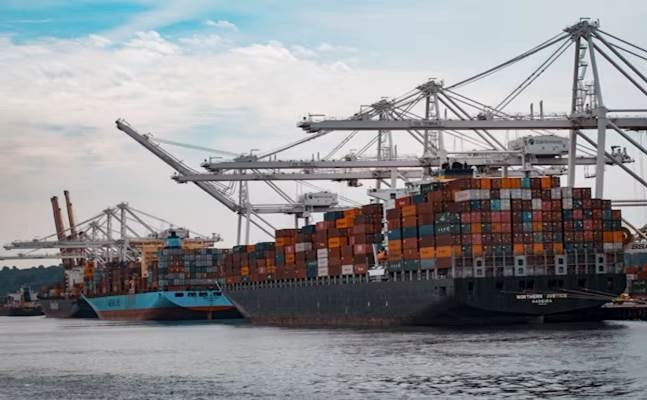
Efficient exports depend on accurate documentation and coordination among suppliers, customs brokers, shipping agents, and relevant authorities.
Depending on the product and destination, documentation may include customs declarations, commercial invoices, packing lists, certificates of origin, and product-specific certifications. Partners should verify applicable customs procedures, tariff classifications, export controls, and destination-market requirements before shipping.
A clear process for preparing, checking, and submitting documents can reduce errors and delays. Products subject to specific safety or transport regulations may require additional documentation.
FAQs for Partners: Co-Investing, Supplying, or Locating Near Anchorage’s Ain Sokhna Project
How can potential investors explore collaboration?
Interested parties should prepare proposals outlining their capabilities, proposed contributions, commercial objectives, and potential areas of cooperation. Any partnership remains subject to due diligence and mutually agreed terms.
How can suppliers express interest?
Suppliers should prepare company profiles, technical qualifications, relevant project references, certifications, and details of their products or services. Specific qualification procedures should be confirmed with authorized project representatives.
What should companies assess before locating nearby?
They should evaluate land availability, permitted activities, utility access, transport costs, workforce requirements, environmental obligations, and proximity to customers and suppliers.
Where can partners verify project requirements?
Land arrangements, utility capacities, procurement procedures, investment terms, and construction schedules should be confirmed with the relevant authorities and authorized project representatives.
Ultimately, successful industrial development at Ain Sokhna depends on combining location advantages with disciplined planning, reliable partnerships, and regulatory compliance. For prospective investors and suppliers, early due diligence and transparent coordination provide a practical foundation for evaluating opportunities and establishing sustainable industrial relationships.