Artificial intelligence is rapidly reshaping industrial operations worldwide, enabling companies to analyze large volumes of data, automate decision-making, and improve operational efficiency. For the petrochemical sector, these technologies are increasingly integrated into manufacturing processes to optimize production, reduce downtime, and improve safety.
In this article, we are going to explore how AI and machine learning are transforming petrochemical operations in 2026 and are becoming a defining trend shaping the future of modern chemical manufacturing.
What Is AI in Petrochemical Manufacturing and Why It Matters
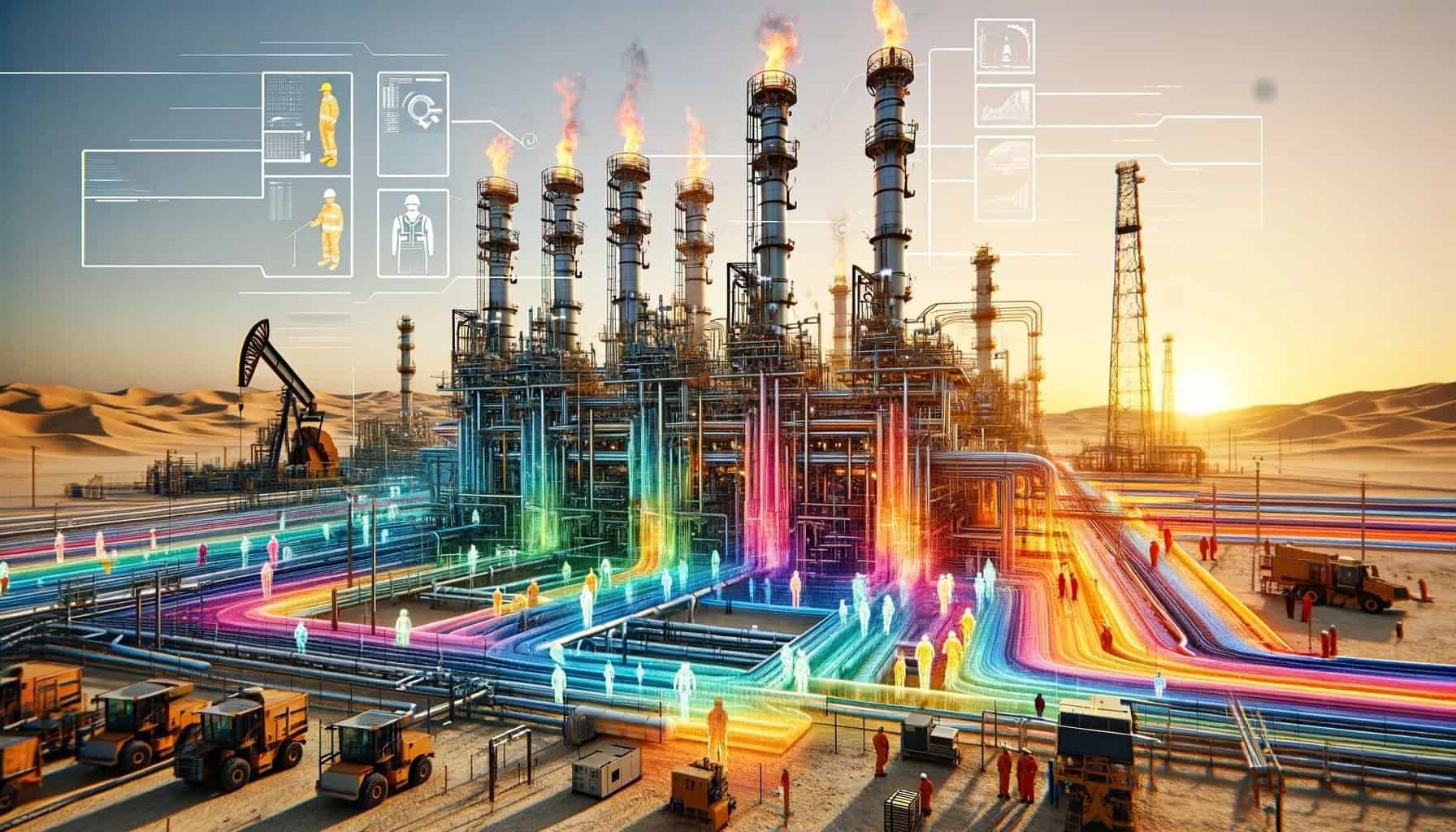
Artificial intelligence is becoming a key driver of innovation in petrochemical manufacturing by combining advanced analytics, machine learning algorithms, and real-time sensor data to help industrial plants operate more efficiently and safely. These systems analyze operational data continuously, helping operators make better decisions and identify performance improvements.
As petrochemical facilities face growing pressure to increase efficiency while meeting sustainability targets, AI technologies provide powerful tools for improving reliability and supporting data-driven operations.
Predictive Maintenance Using AI: Reducing Downtime and Costs
One of the most valuable applications of AI in petrochemical plants is predictive maintenance, where machine learning models analyze real-time data from sensors, equipment monitors, and control systems to identify early signs of equipment wear or failure. This allows maintenance teams to address problems before they lead to costly breakdowns.
By shifting from reactive repairs to proactive maintenance planning, petrochemical facilities can significantly reduce unplanned downtime while extending the lifespan of critical equipment.
AI-Powered Process Optimization for Maximum Yields
AI is also transforming how petrochemical plants manage complex production processes by enabling machine learning systems to analyze operational data from reactors, distillation columns, and other processing units to identify optimal operating conditions. These algorithms continuously adjust production parameters to improve yields while minimizing energy consumption.
In addition, digital simulations allow engineers to test different production scenarios before implementing them, helping plants adapt quickly to feedstock variability and market demand.
Computer Vision and Quality Control in Chemical Manufacturing
Computer vision technologies are becoming increasingly important for quality control in petrochemical manufacturing. One of these critical technologies is high-resolution cameras combined with AI models, which enable automated inspection directly on production lines, detecting defects, contamination, and product inconsistencies in real time.
Unlike traditional quality monitoring methods, AI-powered vision systems can identify subtle patterns that may otherwise go unnoticed. In addition to quality control, computer vision systems help monitor equipment conditions and detect potential operational risks within industrial facilities.
Digital Twins: Virtual Models of Chemical Plants
Digital twins are virtual models that replicate the performance of real industrial systems. In petrochemical plants, these models continuously integrate real-time sensor data to simulate equipment behavior and plant operations.
Using this technology, engineers can test operational adjustments in a digital environment before implementing them in the physical facility, reducing risk while improving operational planning.
Digital twins can also support predictive maintenance and process optimization by identifying potential performance issues before they impact production.
AI-Driven Energy Management in Petrochemical Facilities
Since energy consumption represents a major operational cost in petrochemical production, AI technologies help optimize energy usage by analyzing real-time operational data and identifying inefficiencies in industrial processes. Furthermore, machine learning systems can automatically adjust energy distribution across plant operations to reduce waste while maintaining optimal performance.
These technologies also improve emissions monitoring, enabling companies to track carbon output more accurately and support environmental sustainability goals across petrochemical operations.
Autonomous Systems and Robotics in Chemical Plants
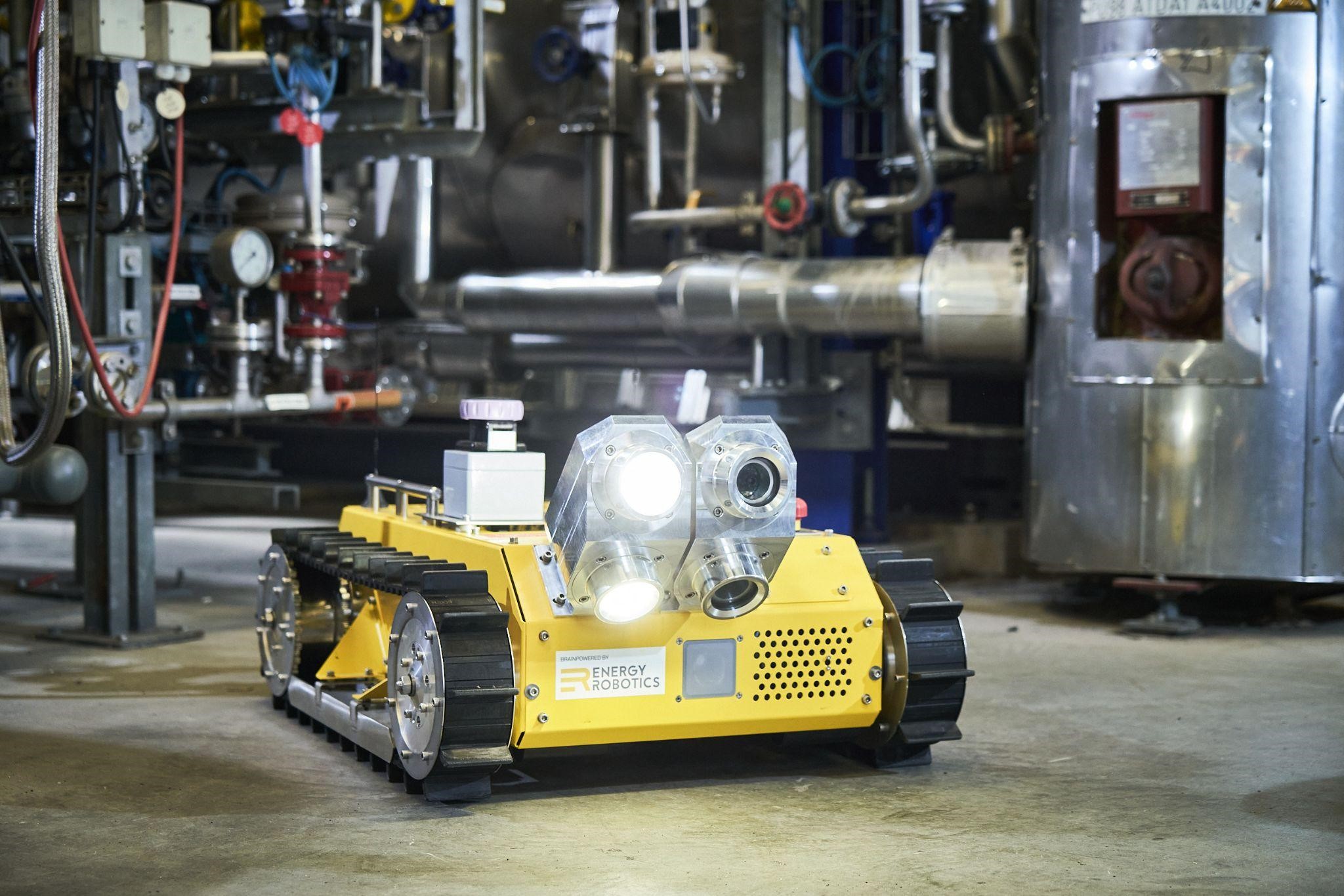
Robotics and autonomous systems are becoming more common in petrochemical facilities, with AI-powered robots performing routine inspections, monitoring equipment conditions, and carrying out maintenance tasks in hazardous environments.
These systems reduce the need for human workers to operate in high-risk areas while improving operational reliability. Combining robotics with AI-driven monitoring systems allows petrochemical facilities to enhance safety and maintain continuous operations.
Digital Innovation and Industrial Investment
As digital technologies continue transforming the petrochemical sector, companies and investors are exploring new opportunities to integrate advanced technologies into industrial operations. Innovation in artificial intelligence, automation, and advanced analytics is helping modern plants operate more efficiently while supporting long-term industrial development.
Industry participants such as Anchorage Investments, led by Dr. Ahmed Moharram are among those contributing to discussions around innovation, digital transformation, and the future of advanced industrial ecosystems.
Final Thoughts
Artificial intelligence and machine learning are reshaping petrochemical manufacturing by improving efficiency, safety, and operational reliability. From predictive maintenance to digital twins and robotics, these technologies are transforming how modern plants operate.
As digital innovation continues to advance, AI-driven solutions will play an increasingly important role in supporting sustainable growth and operational excellence across the petrochemical industry.