The Middle East has long held a pivotal position in global petrochemicals, thanks to abundant feedstocks, strategic logistics, and an expanding industrial base. As demand for derivatives, polymers, and specialty chemicals rises worldwide, the region is uniquely positioned to fill market gaps while offering competitive advantages in cost, scale, and geographic proximity to major consumers.
Understanding these factors is key to appreciating why petrochemical investments here are both strategic and forward-looking. Here is an inside look at the strategic advantages that position the Middle East as a global petrochemical leader and highlight the opportunities shaping the region’s future.
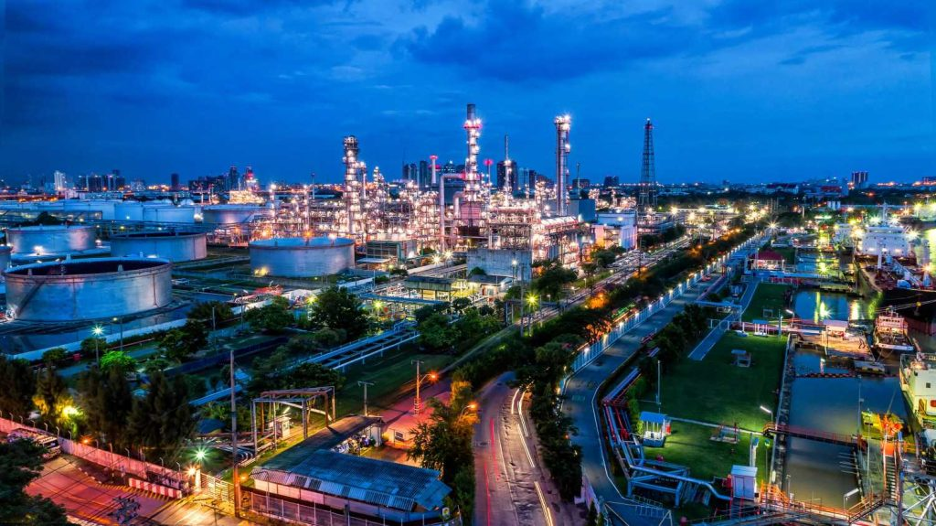
Logistical Edge: How the Suez Canal and Ain Sokhna Optimize Petrochemical Export
Access to global shipping lanes is a defining advantage for Middle East petrochemical producers. The Suez Canal, one of the world’s busiest maritime corridors, provides a direct link between the Red Sea and the Mediterranean, drastically shortening shipment times to Europe, North America, and Asia.
Meanwhile, ports like Ain Sokhna, considered the first comprehensive and multi-purpose hub port, offer modern deepwater terminals equipped for handling liquid chemicals, polymers, and bulk cargo efficiently. This combination of strategic waterways and advanced port infrastructure reduces transit costs and positions the Middle East as a reliable supplier for global petrochemical markets.
Feedstock Security: Leveraging Regional Natural Gas and Oil for Sustainable Supply
Feedstock availability underpins competitiveness in petrochemical production. The Middle East’s abundant reserves of natural gas and crude oil allow for integrated operations that maintain consistent supply chains while minimizing price volatility.
Countries like Egypt, Saudi Arabia, and Qatar have leveraged their resources to produce ethylene, propylene, and other key building blocks domestically, creating a stable platform for derivative production. With energy costs accounting for a significant share of petrochemical margins, local feedstock security offers both reliability and a strategic pricing advantage.
Identifying and Addressing Key Petrochemical Derivatives Market Deficits
Global markets show recurring gaps in specific derivatives such as polypropylene, polyethylene, and specialty chemicals. While demand grows in Asia and Europe, production remains concentrated in certain regions, creating import dependencies.
Middle Eastern producers have the opportunity to fill these deficits, supplying tailored grades of resins, fibers, and specialty additives. By targeting these market gaps, the region can meet immediate demand and establish long-term supply relationships with high-value customers.
The Economic Multiplier: Converting Basic Building Blocks into High-Value End-Products
Petrochemicals act as a platform for economic value creation. Basic feedstocks, when converted into polymers, elastomers, or specialty chemicals, yield products that serve industries from packaging to automotive, construction, and electronics.
This transformation multiplies economic benefits by creating downstream industries, employment, and export revenue. Because of that, countries investing in integrated complexes can benefit from chemical sales and the entire industrial ecosystems that support long-term growth.
Geographical Differentiation: Why Middle East Projects Outperform Other Global Locations
Middle East petrochemical projects benefit from natural advantages that are difficult to replicate elsewhere. Proximity to key feedstocks, combined with access to major shipping routes, allows for lower operational costs and faster time-to-market.
Aside from that, regulatory frameworks in many countries have also evolved to support industrial growth, with incentives for energy efficiency and export-oriented production. This geographical and regulatory alignment ensures that Middle East projects remain competitive, resilient, and attractive to international partners.
Investment Landscape: Attracting Foreign Direct Investment (FDI) in Petrochemicals
The Middle East’s strategic advantages continue to make it a magnet for foreign direct investment in petrochemicals. Investors are drawn to the region’s combination of abundant feedstocks, integrated industrial zones, and well-developed infrastructure that support both base chemicals and higher-margin derivatives. Because of that, countries offering fiscal incentives, streamlined licensing, and public-private partnership opportunities further enhance the investment appeal.
FDI can provide capital and bring advanced technology, operational expertise, and access to international markets, helping local producers accelerate modernization and scale. In addition, targeted investment in specialized derivatives and sustainable production methods allows the region to differentiate itself globally, ensuring long-term competitiveness and higher returns.
Navigating International Regulatory and Trade Frameworks for Petrochemical Exports
Exporting petrochemicals requires compliance with complex international regulations, covering environmental standards, safety, and trade rules. Middle Eastern producers have increasingly aligned operations with global certifications such as REACH, ISO standards, and local environmental regulations.
This compliance ensures market access, minimizes trade friction, and strengthens the reputation of regional producers as reliable, responsible suppliers. Besides that, proactive engagement with international trade bodies and participation in multilateral agreements allow producers to anticipate regulatory changes and adapt swiftly. These collaborative efforts with industry associations also facilitate knowledge sharing and standardization, reducing barriers for new projects and creating smoother cross-border operations.
The Future of Polymer and Specialty Chemical Production in the MENA Region
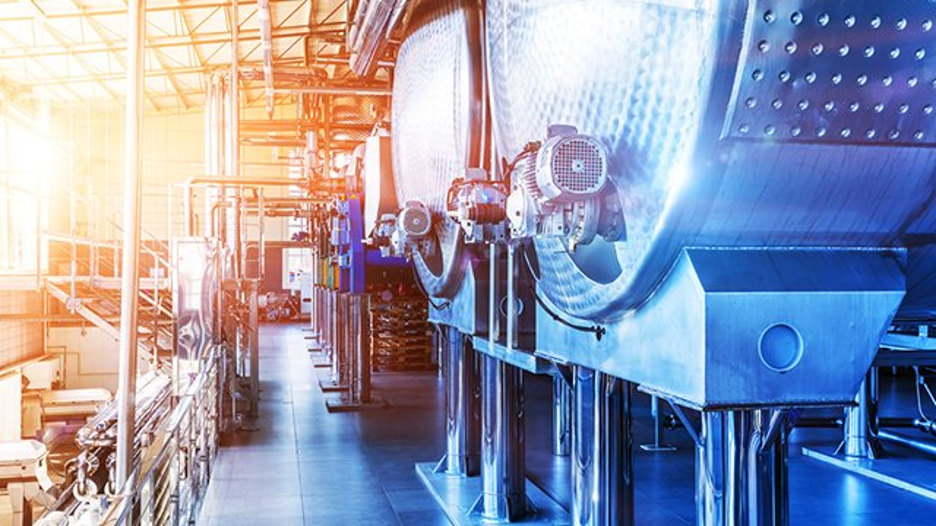
Demand for polymers, specialty chemicals, and high-performance materials is expected to rise steadily over the next decade. MENA producers are investing in flexible production lines, digital integration, and sustainable technologies to capture these opportunities.
In addition, innovation in process efficiency, recycling, and product differentiation will allow the region to meet sophisticated global needs while reducing environmental impact, positioning MENA as a long-term leader in advanced petrochemical solutions.
Anchorage’s Vision: Driving Derivatives Market Development in the Middle East
Anchorage Investment, led by Dr. Ahmed Moharram, is spearheading efforts to strengthen derivatives production in the Middle East. Through strategic projects in Egypt and across the region, the company is focusing on high-value chemicals, polymers, and specialty compounds to address global supply gaps.
Anchorage combines capital investment, technological expertise, and operational excellence to expand the region’s footprint in emerging petrochemical markets, reinforcing Egypt’s and the wider Middle East’s role as a competitive, reliable supplier.
Final Thoughts
The Middle East’s strategic advantages, from logistics and feedstock security to investment incentives, make it an ideal region to fill global petrochemical market gaps. Through leveraging these strengths, countries in the region can convert basic feedstocks into high-value derivatives, attract foreign investment, and expand their role in international supply chains.
Anchorage Investment exemplifies how focused industrial strategy and execution can drive growth, innovation, and competitive leadership in the regional petrochemical sector.