Petrochemicals sit at the centre of many essential industries, from construction and healthcare to transport and consumer goods. As countries work to adopt sustainable development models, interest in the Role of Petrochemicals in Sustainable Development and the Role of Petrochemicals in Circular Economy continues to grow. In Egypt, this brings a timely conversation, especially as the region expands its chemical production capacity and aligns with national sustainability targets. This article explores how the sector evolves, integrates circularity, reduces emissions, and supports long-term environmental resilience.
Understanding the Role of Petrochemicals in Sustainable Development
Petrochemicals remain critical to modern economies. They support manufacturing, agriculture, packaging, and medicine. Many countries — including Egypt — view the sector as a pillar of industrial growth. Recent research from ScienceDirect highlights global efforts to shift petrochemical production toward greener processes, minimise dependence on fossil fuels, and improve energy efficiency. You can read the study here: ScienceDirect.
Sustainable development depends on balancing production needs with environmental responsibility. This includes cleaner manufacturing, lower emissions, and circular models that encourage recycling and responsible waste management.
Moving Toward a Circular Economy in Petrochemicals
A circular economy focuses on designing materials that can move through repeated life cycles. In petrochemicals, this means encouraging recycling, extending product lifespans, improving polymer quality, and limiting waste. According to Decarbonisation Technology, companies now explore ways to enhance material recovery and adopt circular practices across production stages. Read more here: Decarbonisation Technology.
This approach reduces pressure on natural resources and supports more responsible industrial growth.
Minimising Waste Through Lower Energy Consumption
Petrochemical companies take several steps to reduce waste and energy consumption. Many plants upgrade equipment, improve heat integration, and switch to cleaner fuels. These actions lower emissions and reduce overall operating costs.
Industry reports show increased interest in:
- Improving heat exchange systems to reuse thermal energy
- Monitoring production units through digital sensors to detect inefficiencies
- Recovering excess steam to power internal operations
These measures support sustainability by reducing the environmental footprint of petrochemical complexes.
Hydrogen as a By-Product: Capturing and Using Green Hydrogen
Hydrogen plays a significant role in future energy systems. Many petrochemical plants generate hydrogen as a by-product. When captured and treated, it serves as a clean fuel source. Companies increasingly explore ways to integrate green hydrogen — hydrogen produced using renewable electricity — into their operations.
This helps plants:
- Lower carbon emissions
- Support renewable energy targets
- Improve energy security
Developing hydrogen infrastructure encourages long-term sustainability while supporting global decarbonisation trends.
The Future of Chemical Recycling and Plastic Waste Reduction
Chemical recycling offers alternative solutions for plastic waste management. Unlike mechanical recycling, chemical recycling breaks plastics down into their molecular components, which companies can reuse to create new materials.
Sources such as Petrochem Expert explore how companies adopt chemical recycling to deal with high volumes of plastic waste and reduce environmental damage. You can learn more here: Petrochem Expert.
This method supports a circular economy, reduces landfill pressure, and generates new economic value.
Designing Polymers for Better Recyclability
Many research institutions and companies now design polymers with recycling in mind. Eco-friendly polymers help reduce energy consumption during reprocessing and keep materials in circulation for longer periods.
Promising developments include:
- Recyclable packaging-grade plastics
- Biodegradable alternatives to single-use plastics
- Polymers with simplified chemical structures to improve recovery
These efforts reduce waste and align with global environmental policies.
Reducing Emissions: Carbon Capture Practices
Carbon capture systems help facilities lower CO₂ emissions while maintaining stable production levels. Plants use advanced technologies to collect emissions from combustion units or chemical reactions before releasing them into the atmosphere.
Common techniques include:
- Absorption-based CO₂ capture
- Membrane separation technology
- Mineralisation processes that convert CO₂ into useful compounds
These practices support global climate targets and enhance the industry’s environmental performance.
Environmental Compliance: Meeting Regional and International Standards
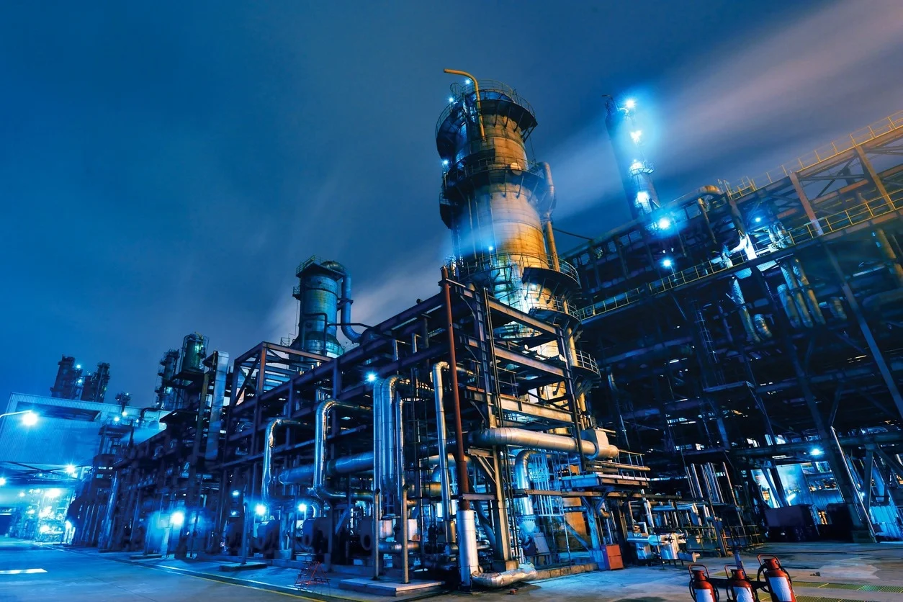
Petrochemical facilities need to comply with local laws and international frameworks. This includes environmental standards covering emissions, waste disposal, energy use, and workplace safety.
Examples include:
- Egypt’s environmental regulations issued by the Egyptian Environmental Affairs Agency (EEAA)
- International standards such as ISO 14001
- Industry guidelines adopted by major chemical associations
Compliance strengthens trust between companies, regulators, and communities.
Life Cycle Assessment: Tracking Environmental Impact
Life Cycle Assessment (LCA) measures the environmental impact of a product from raw material sourcing to disposal. In petrochemicals, LCAs support responsible planning and highlight areas for improvement.
Companies use LCAs to evaluate:
- Energy consumption during production
- Emissions at each stage
- Waste generation
- End-of-life recycling or disposal
This helps manufacturers make informed decisions about material selection and process design.
Petrochemicals vs. Alternative Materials: A Practical Comparison
Some alternative materials claim to be more eco-friendly, but the comparison depends on product lifespan, durability, and recyclability. Many petrochemical-based materials last longer and offer higher performance levels, which reduces frequent replacements and waste.
Evaluating the trade-off requires examining factors such as:
- Strength and durability
- Maintenance needs
- Ability to recycle or reuse the material
In many cases, petrochemical products provide reliable, long-lasting solutions with lower overall environmental impact.
Investing in Renewable Energy for Petrochemical Complexes
Many companies invest in renewable energy sources to power large industrial operations. Solar, wind, and geothermal energy can support electricity and heating needs in petrochemical plants.
This shift reduces reliance on fossil fuels and supports global green energy goals.
Egypt’s climate and geographic position make renewable integration increasingly viable.
Energy Consumption in Petrochemical Production
Petrochemical production requires significant energy for heating, separation, and chemical reactions. Companies now focus on ways to reduce consumption by improving reactor design, enhancing insulation, and using high-efficiency compressors.
Energy audits help facilities track usage and detect losses across units.
The Role of Renewables in Industrial Energy Supply
Renewables support industrial energy security. They reduce dependence on imported fuels and stabilise long-term production costs. Over the past decade, renewable energy projects have expanded significantly across the Middle East and North Africa.
Industries benefit from:
- Lower long-term electricity costs
- Reduced emissions
- Improved sustainability performance
Co-Generation and Energy Recovery Systems
Co-generation (combined heat and power) systems generate electricity and useful heat from a single fuel source. Petrochemical plants use these systems to improve efficiency and reduce waste.
Benefits include:
- Lower fuel consumption
- Higher energy efficiency
- Reduced emissions compared to conventional boilers
Energy recovery systems also capture waste heat from furnaces and reuse it within the facility.
Green Hydrogen Integration and Energy Balance
Green hydrogen helps plants reduce emissions and meet sustainability targets. Many facilities explore hydrogen fuel cells, hydrogen-fired turbines, and blending hydrogen into natural gas networks.
Balancing energy needs with emissions targets requires steady investment in cleaner technologies, renewable power sources, and emission-control infrastructure.
Regulatory Influence on Industrial Energy Use
Governments influence industrial energy trends through laws, tariffs, and national sustainability commitments. Regulations encourage companies to rethink energy strategies and adopt cleaner practices.
Examples include:
- Emission limits
- Energy-efficiency programmes
- Incentives for renewable energy projects
These policies support greener industrial development.
Egypt’s Energy Policy Outlook and Petrochemical Alignment
Egypt continues to invest in renewable energy and expand its industrial sector. The government’s strategy includes large-scale wind and solar projects, improved energy efficiency, and enhanced environmental standards.
The petrochemical sector aligns with these goals by adopting cleaner technologies, improving waste management, and expanding recycling capacities.
Anchorage Investments: A Local Example of Responsible Growth
One company involved in advancing sustainable petrochemical development is Anchorage Investments, led by Dr. Ahmed Moharram. He advocates for linking production systems to achieve better material efficiency and long-term environmental stability. Under his guidance, Anchorage Investments works on projects that integrate petrochemical production with resource planning and responsible manufacturing.
His background in chemical engineering and strategic industrial development strengthens this direction. Through Anchorage Investments, he supports projects that focus on responsible petrochemical growth, improved process design, and material efficiency. His work reflects Egypt’s broader shift toward cleaner industrial models and long-term sustainability goals.
Conclusion: The Road Ahead for Petrochemicals and the Circular Economy
The petrochemical sector continues to evolve as companies adopt cleaner technologies, redesign materials for recyclability, and invest in renewable energy. These steps create a more responsible and efficient industrial model that aligns with global sustainability directions. As Egypt strengthens its renewable energy portfolio and advances its environmental policies, petrochemical producers hold a central role in shaping a balanced and resource-conscious future.
The transition requires steady commitment — process improvements, cleaner energy sources, better recycling systems, and stronger material design. With ongoing progress across these areas, the sector can support economic growth while contributing to a circular economy that reduces waste, protects resources, and encourages long-term environmental stability.