Fertilizer production sits at the intersection of mining, industry, and food security. Behind every ton of fertilizer applied to farmland lies a long supply chain that begins with reliable access to high-quality mineral feedstocks. As global demand for agricultural productivity continues to rise, securing these raw materials has become a strategic priority, not just an industrial one.
In Egypt and the wider region, strengthening fertilizer feedstock supply is increasingly viewed as a cornerstone of agri-industrial integration, linking natural resources, manufacturing capacity, and long-term food resilience.
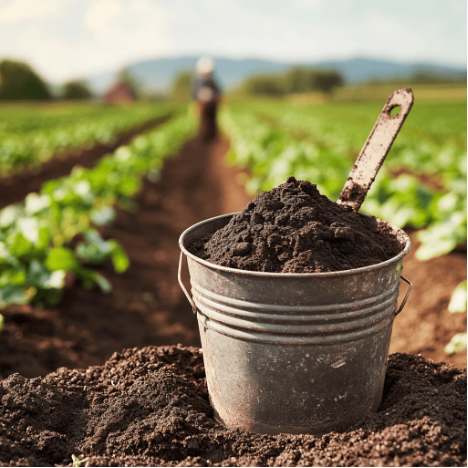
Critical Demand for Phosphate in Fertilizer Production
When it comes to modern fertilizers, phosphate is one of the essential building blocks, playing a vital role in plant growth, root development, and crop yields. Unlike nitrogen, which can be synthesized from the air, we have to mine phosphate, making access to reserves a strategic advantage.
As global agricultural demand grows, competition for phosphate resources has intensified. This has elevated the importance of securing stable, long-term phosphate supply for fertilizer producers, particularly in regions seeking to strengthen domestic food systems and reduce exposure to global market disruptions.
Expansion Strategy: Servicing the Local and Regional Fertilizer Industry
Meeting fertilizer demand requires more than extraction alone. It depends on aligning mining output with the needs of downstream manufacturers. Because of that, expanding phosphate supply in a targeted manner allows producers to serve both local fertilizer plants and regional markets efficiently.
By prioritizing proximity to fertilizer producers, feedstock suppliers can shorten supply chains, reduce transportation costs, and improve responsiveness to seasonal demand cycles. This approach supports industrial growth while reinforcing regional self-sufficiency in agricultural inputs.
Importance of Mineral Purity for High-Quality Fertilizer
Not all phosphate is created equal. Mineral purity directly affects fertilizer performance, processing efficiency, and compliance with international standards. For example, high levels of impurities can increase production costs and limit the use of fertilizers for certain crops or export markets. In addition, some impurities can be harmful to human health when present in fertilizers, including heavy metals, pathogens, and microplastics.
That is why, for fertilizer manufacturers, consistent feedstock quality is just as important as volume. Reliable access to high-purity phosphate enables predictable production outcomes, supports product differentiation, and strengthens competitiveness in both domestic and international markets.
Economic Impact: Supporting Food Security Through Reliable Raw Materials
A dependable fertilizer feedstock supply contributes directly to food security. When fertilizer production is disrupted by raw material shortages or price volatility, the impact quickly reaches farmers and consumers.
That means we need to stabilize access to phosphate and other key inputs. This allows feedstock suppliers to help protect agricultural productivity and support national food strategies. On top of that, the economic impact extends beyond agriculture, reinforcing rural livelihoods, export capacity, and overall economic resilience.
Integrated Supply: Reducing Volatility for Fertilizer Manufacturers
Volatility in raw material markets remains a persistent challenge for fertilizer producers. Price swings, supply interruptions, and logistical bottlenecks can undermine planning and profitability.
For that reason, many manufacturers are relying on integrated supply models. This is where mining, processing, and delivery are aligned under a coordinated strategy, which can help reduce these risks. This type of integration allows fertilizer manufacturers to operate with greater certainty, enabling long-term investment and capacity expansion without excessive exposure to external shocks.
Sustainable Mining Practices: Minimizing Environmental Impact at Phosphate Sites
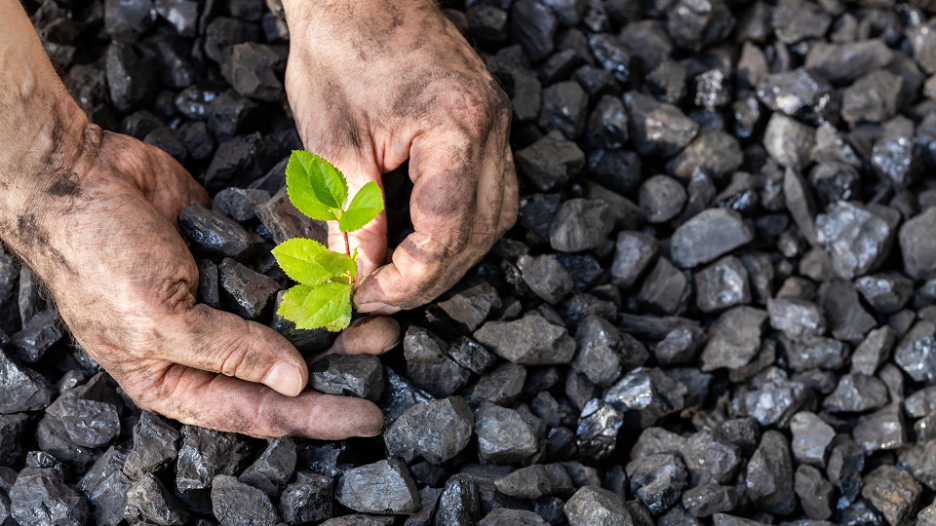
As fertilizer demand grows, so does the responsibility to manage environmental impact. Sustainable mining practices are essential to ensuring that phosphate extraction supports long-term development rather than short-term gains.
Modern approaches focus on efficient land use, water management, waste reduction, and site rehabilitation. Through embedding sustainability into mining operations, producers can meet regulatory requirements, maintain community trust, and align with global environmental expectations.
Global Market Trends in Phosphate and Potash Fertilizers
Global fertilizer markets are evolving rapidly with projections predicting the industry to be worth USD 281.56 billion by 2030. Rising populations, changing diets, and climate pressures are driving demand for higher agricultural productivity. At the same time, supply concentration in a limited number of producing countries has heightened sensitivity to geopolitical and logistical disruptions.
These trends have reinforced the strategic value of regional fertilizer feedstock production. Countries with access to phosphate and potash resources are increasingly focused on leveraging them for export and to support domestic agricultural stability.
The Know-How Advantage: Applying Group Technical Capabilities to Agri-Inputs
Beyond resource availability, technical expertise plays a decisive role in successful fertilizer feedstock development. Geological assessment, extraction planning, and quality control all require specialized knowledge.
Anchorage Investment, led by Dr. Ahmed Moharram, applies technical capabilities to agri-industrial inputs, such as mineral beneficiation, ensuring that phosphate resources are developed with efficiency, consistency, and long-term value in mind. This know-how allows feedstock operations to align closely with fertilizer industry requirements, rather than operating in isolation.
Traceability and Quality: Meeting Agricultural Product Standards
Traceability has become increasingly important in agricultural supply chains. Fertilizer producers and regulators alike are placing greater emphasis on understanding the origin and composition of raw materials.
That is because maintaining transparent quality control systems ensures that phosphate feedstocks meet agricultural, environmental, and export standards. This traceability supports compliance, builds trust with downstream partners, and enhances the credibility of fertilizer products in competitive markets.
Logistical Challenges and Solutions for Fertilizer Raw Material Delivery
Transporting bulk mineral feedstocks presents logistical challenges, particularly when serving multiple fertilizer plants across different regions. Infrastructure quality, handling capacity, and delivery reliability all influence supply chain performance.
So, addressing these challenges requires coordinated logistics planning, investment in transport infrastructure, and flexible delivery models. Efficient logistics ensure that fertilizer manufacturers receive raw materials on time and at predictable costs, reinforcing the overall stability of the agri-industrial value chain.
Final Thoughts
Fertilizer feedstocks are more than raw materials; they are strategic assets that underpin food security, industrial growth, and economic stability. From phosphate purity and sustainable mining to integrated supply and logistics, each element plays a role in strengthening the fertilizer ecosystem.
Aligning resource development with industrial needs allows companies like Anchorage Investment to contribute to a more resilient agri-industrial framework, supporting agriculture today while laying the groundwork for long-term regional food security.