The petrochemicals industry plays a central role in shaping modern industrial economies. Beyond supplying essential inputs to manufacturing, it acts as a catalyst for economic expansion, industrial diversification, and long-term resilience.
When developed strategically, petrochemicals can support value creation across multiple sectors, linking natural resources to higher-value products that drive sustainable growth.
Contribution to GDP: Direct and Indirect Economic Benefits
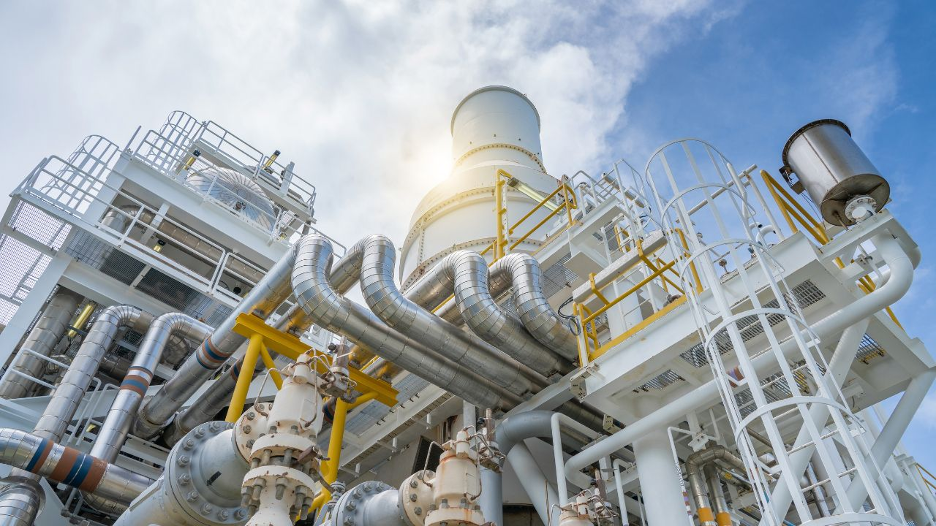
Petrochemical development contributes directly to GDP through industrial output, capital investment, and job creation. Large-scale facilities generate significant economic activity during both construction and operation, while ongoing production adds measurable value to national output figures.
In Egypt, the petrochemical sector constitutes approximately 12% of the country’s total industrial output, generating around $7 billion annually. It also contributes about 3% of Egypt’s Gross Domestic Product (GDP).
Indirectly, petrochemical projects stimulate growth across a wide network of supporting industries. Engineering services, transportation, utilities, maintenance, and downstream manufacturing all benefit from the presence of a strong petrochemical base. These links multiply the sector’s economic impact, reinforcing its role as a foundational pillar within broader industrial strategies.
Technology Transfer and Knowledge Economy Development
Modern petrochemical operations rely on advanced technologies, sophisticated control systems, and specialized operational expertise. As a result, sector development helps with meaningful technology transfer and skills development within the local workforce. That is because engineers, technicians, and operators gain exposure to international standards and complex industrial processes.
This accumulation of technical expertise contributes to the broader knowledge economy. That means capabilities developed within petrochemicals often extend into other industries, supporting innovation, improving productivity, and strengthening overall industrial competitiveness.
Local Content Development Through Petrochemicals Projects
Petrochemical investments create sustained demand for local suppliers and service providers. From construction and fabrication to operations and logistics, these projects offer opportunities to build domestic industrial capacity and strengthen local value chains.
Anchorage Investment, led by Dr. Ahmed Moharram, reflects this approach by aligning petrochemical development with local content objectives. Integrating domestic capabilities into project execution supports supplier development, enhances industrial self-reliance, and ensures that economic benefits extend beyond the core facilities themselves.
Export Revenue Generation from Petrochemical Products
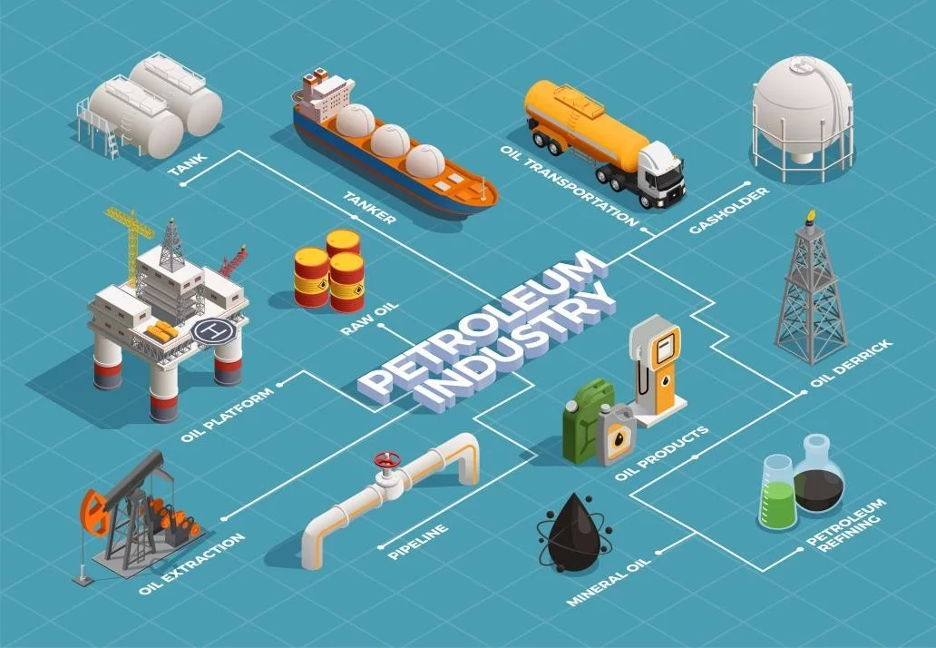
Petrochemical products are integral to global manufacturing and consumer markets, making them valuable export commodities. Polymers, resins, and chemical intermediates serve industries ranging from packaging and construction to automotive and electronics.
Export-oriented petrochemical production enables countries to diversify revenue streams and reduce dependence on raw material exports. So, moving up the value chain allows economies to capture higher margins, generate stable foreign exchange earnings, and strengthen their position within international trade networks.
Import Substitution Economics in Petrochemical Industries
In many markets, petrochemicals play a critical role in reducing reliance on imported materials. For instance, domestic production of plastics, fertilizers, and chemical intermediates can replace imported inputs used across manufacturing and infrastructure development.
This import substitution improves trade balances, stabilizes supply chains, and shields local industries from external price volatility. Over time, localized petrochemical production supports cost competitiveness and enhances economic resilience, particularly during periods of global supply disruption.
Regional Development Through Industrial Hub Creation
Petrochemical complexes often anchor the development of integrated industrial hubs. These clusters bring together upstream feedstock suppliers, core processing facilities, and downstream manufacturers within a shared geographic footprint.
Such hubs promote regional development by attracting investment, creating employment opportunities, and improving infrastructure. They also encourage collaboration between industries, leading to efficiency and innovation while supporting balanced economic growth beyond major urban centers.
Final Thoughts
Petrochemicals remain a powerful driver of economic growth when we look at them as part of a long-term industrial strategy. Through GDP contribution, technology transfer, export generation, and regional development, the sector delivers benefits that extend well beyond individual projects.
As countries continue to pursue industrial diversification and value-added growth, petrochemical industry development will remain a key engine supporting sustainable, resilient economies.