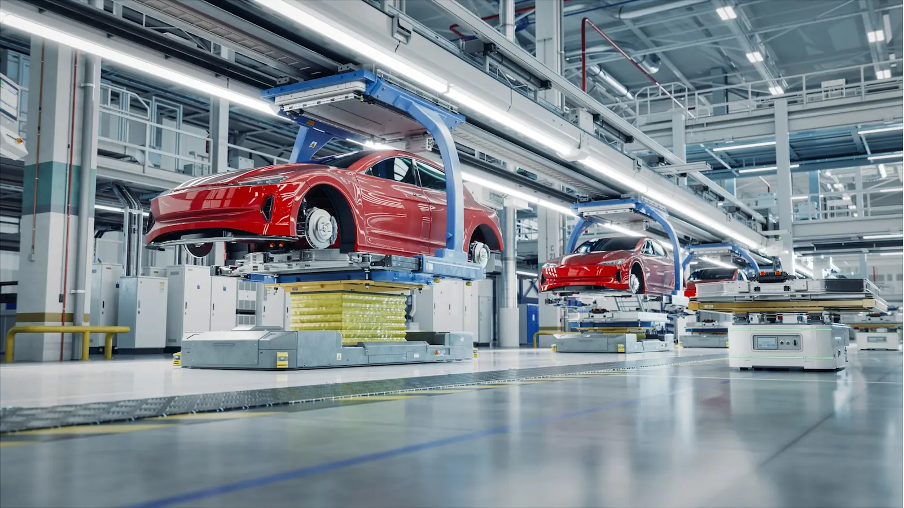
Petrochemicals sit at the heart of the modern automotive industry. From tires to dashboards, lubricants to safety materials, these chemical derivatives support both conventional and electric vehicles. As the sector shifts toward cleaner mobility, petrochemicals remain essential, shaping how vehicles are built, powered, and maintained.
This blog explores their role across different components, the evolving material trends, and how Egypt’s automotive sector ties into global petrochemical demand.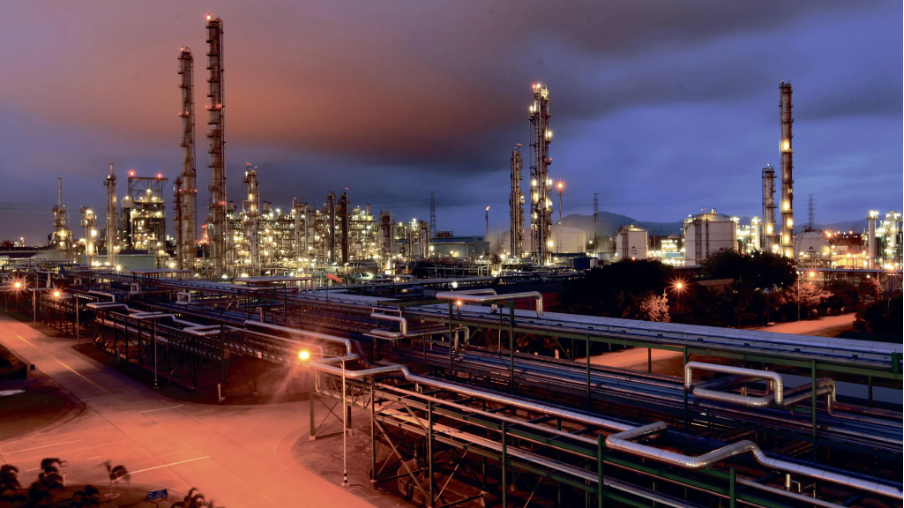
Petrochemicals in EV Batteries and Insulation
Electric vehicles (EVs) depend on petrochemicals in several ways. The battery casings, separators, and insulation materials rely on plastics and polymers derived from petrochemical processes. As noted by ChemBridges, polymers like polypropylene and polyethylene provide thermal stability and protection inside EV systems. These materials prevent overheating, shield sensitive wiring, and extend battery life.
Beyond insulation, petrochemicals also support lightweighting in EV design. Engineers use composite plastics to replace heavier metals, improving vehicle range and energy efficiency. With Egypt preparing to increase EV adoption, demand for petrochemical-based battery and insulation solutions is expected to rise steadily.
Tires and Synthetic Rubber Production
Tires represent one of the largest uses of petrochemicals in the automotive industry. Synthetic rubber, made from butadiene and styrene, offers durability, flexibility, and grip. According to Argus Media, nearly 70% of global rubber output goes into tire production. For Egypt, where vehicle ownership is expanding, demand for synthetic rubber continues to rise in parallel with road infrastructure development.
In addition to passenger cars, commercial vehicles and buses rely on durable synthetic rubber tires to meet long-distance transport needs. Petrochemical-based compounds improve tread wear and fuel efficiency, making them a critical component of modern transportation networks.
Safety Materials: Airbags and Seatbelts
Safety features such as airbags and seatbelts depend on petrochemical-derived fibers and coatings. Nylon and polyester, both made from petrochemicals, ensure that seatbelts stay strong under stress. Airbags, often coated with silicon-based compounds, deploy reliably in emergencies. Petrochemicals therefore serve as hidden guardians of passenger safety.
As cars become more advanced, additional safety systems also use petrochemical-based plastics for sensors, housing units, and crash-absorbing components. These applications highlight how petrochemicals support not only comfort but also lifesaving measures.
Interior Plastics and Comfort Design
Vehicle interiors rely heavily on plastics for dashboards, panels, and seating. Materials such as acrylonitrile butadiene styrene (ABS), polyurethane, and polypropylene provide comfort, aesthetics, and durability. As highlighted in FasterCapital, manufacturers prefer plastics because they are lightweight and reduce overall fuel consumption, while offering flexibility in design.
Modern vehicles also integrate petrochemical-based foams for sound insulation and comfort padding, improving passenger experience. In luxury cars, advanced coatings and finishes derived from petrochemicals help maintain a sleek and durable interior design.
Fuel Additives for Performance Optimization
Even as electric mobility expands, combustion engines still dominate global roads. Fuel additives derived from petrochemicals improve engine performance, prevent corrosion, and reduce emissions. Additives such as detergents and anti-knock agents help engines run smoothly while meeting environmental standards.
In Egypt, where gasoline-powered cars remain dominant, the role of petrochemical additives is especially important. These substances keep vehicles efficient in high temperatures and extend engine life, reducing maintenance costs for drivers.
Petrochemical Lubricants and Greases
Engines, gearboxes, and brakes all need lubrication to operate effectively. Petrochemical-based oils and greases reduce friction, minimize wear, and extend component life. These products keep vehicles reliable under extreme temperatures and heavy use, a factor especially important in Egypt’s hot climate.
Lubricants also play a role in EVs, particularly in cooling systems and transmissions. As EV adoption grows, specialized petrochemical lubricants will evolve to meet the new demands of electric mobility.
Trends in Electric and Autonomous Vehicle Materials
The rise of electric and autonomous vehicles brings fresh demand for advanced petrochemical materials. Lightweight composites, high-performance plastics, and insulation polymers all play key roles in reducing vehicle weight while improving durability. Emerging research focuses on replacing metal-heavy designs with petrochemical-derived components that improve efficiency and reduce manufacturing costs.
Autonomous vehicles also depend on durable plastics for sensors, cameras, and data-processing hardware casings. Petrochemicals therefore extend beyond mechanical functions, supporting the digital systems that guide the future of mobility.
Egypt’s Automotive Sector and Petrochemical Demand
Egypt’s automotive industry continues to expand as domestic production grows and new investments flow into the sector. Petrochemicals support this growth by supplying raw materials for car manufacturing, tire production, and lubricants. With Egypt seeking to position itself as a regional automotive hub, the demand for petrochemicals in vehicle manufacturing is set to rise, linking energy, chemical, and automotive industries more closely than ever.
At the same time, Egypt’s government is encouraging EV adoption and cleaner energy use. This transition will reshape petrochemical demand, with stronger focus on polymers for batteries, insulation, and lightweighting. The country’s petrochemical industry will therefore need to adapt quickly to serve both conventional and emerging mobility needs.
Anchorage Investments’ Integrated Approach
One company taking serious steps in petrochemical development is Anchorage Investments, led by Dr. Ahmed Moharram. He has long advocated for connecting upstream and downstream operations across sectors. Under his leadership, the company has pursued projects that:
- Combine chemical manufacturing with raw material sourcing
- Focus on long-term environmental resilience
- Align with Egypt’s Vision 2030 industrial strategy
Dr. Moharram’s background in chemical engineering and strategic planning places him at the centre of this industrial shift. Through Anchorage, he is driving projects that support Egypt’s automotive sector by supplying petrochemicals that align with modern vehicle production needs. You can learn more about his work here.
Conclusion: Petrochemicals and the Future of Mobility
Petrochemicals remain vital to the automotive industry, shaping everything from tires and plastics to EV batteries and safety systems. As the industry transitions toward electric and autonomous mobility, petrochemical demand evolves but does not disappear. For Egypt, where the automotive sector is gaining momentum, petrochemicals represent both a supply chain necessity and an opportunity to strengthen its industrial base. The future of mobility will continue to depend on petrochemical materials — quietly shaping how vehicles run, feel, and keep passengers safe.