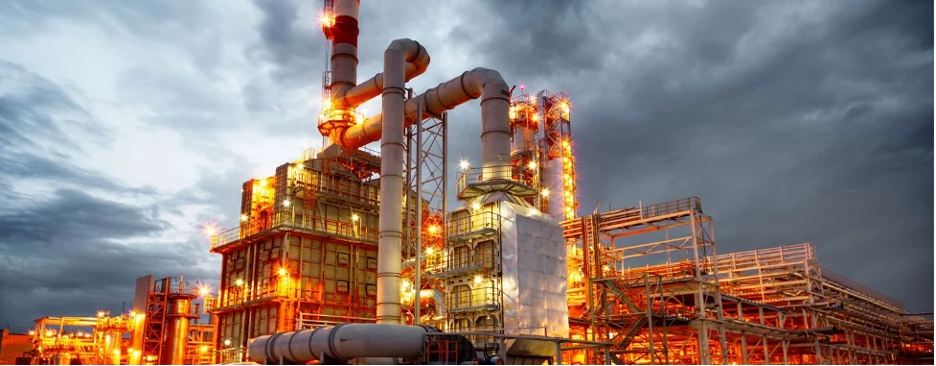
Petrochemicals are at the heart of modern economies, shaping everything from manufacturing to trade. For countries seeking to diversify their economic base, strengthen industrial output, and create new avenues for growth, petrochemicals are more than a raw material. They are a strategic driver of national development.
In Egypt, the sector sits at the intersection of industrial policy, foreign investment, and Vision 2030 priorities, providing a foundation for GDP growth, export expansion, and regional integration.
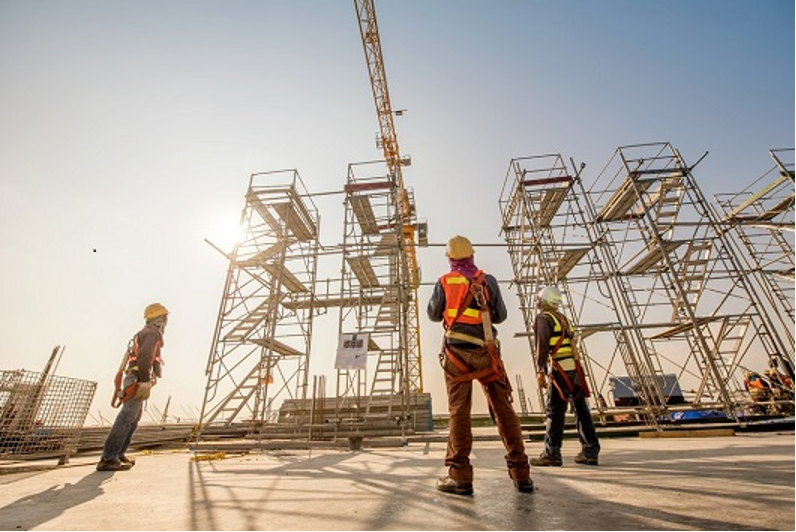
Petrochemicals as a Driver of GDP Growth
Petrochemicals have long been a cornerstone of industrial development, underpinning sectors that range from plastics to fertilizers. That’s because their ability to fuel downstream industries makes them one of the most potent contributors to national GDP.
According to the International Energy Agency (IEA), petrochemicals are set to account for over a third of oil demand growth by 2030, highlighting why governments worldwide treat them as a strategic priority. Investing in this sector allows countries to stimulate broad-based industrialization, create value-added exports, and establish a more resilient growth model. For economies like Egypt, petrochemicals are a domestic revenue source and a gateway to global markets, enabling stronger participation in international trade flows.
Role in Diversification from Oil Exports
For oil-exporting nations, reliance on crude exports has often created exposure to global price volatility. Petrochemicals offer a path to reduce this vulnerability by creating a wider export base. Instead of shipping raw crude, states can transform hydrocarbons into high-value products such as polymers, solvents, and specialty chemicals that feed global industries.
This shift supports greater stability in revenues while also aligning with global energy transitions. Countries across the Middle East, for example, are incorporating petrochemicals into diversification agendas, treating them as a hedge against fluctuations in oil demand. For Egypt, the sector plays a similar role, ensuring that the economy gains value not just from resource extraction but from sophisticated industrial outputs.
Industrial Linkages with Construction, Transport, and Textiles
Petrochemicals are indispensable to industries that drive national development. For instance, in construction, they supply plastics, insulation, adhesives, and coatings that improve efficiency and durability. As for transport, petrochemical-based materials strengthen automotive manufacturing, improve fuel efficiency, and support innovation in lightweight components.
Textiles are equally dependent, with polyester and synthetic fibers forming the backbone of modern apparel. Egypt’s long-established textile industry has already begun integrating petrochemical inputs to remain competitive. These linkages demonstrate how petrochemicals are more than standalone products; they are enablers of growth across the wider industrial ecosystem.
Attracting FDI Through Petrochemical Megaprojects
Large-scale petrochemical projects have become magnets for foreign direct investment (FDI), attracting global energy and industrial companies that bring capital, expertise, and technology. These megaprojects often form the backbone of national industrial strategies, signaling stability and ambition to international investors.
An excellent example of this is projects led by private-sector leaders such as Anchorage Investment, under the leadership of Dr. Ahmed Moharram. They illustrate how domestic players can align with global investors to accelerate sectoral growth. Such ventures can inject billions of dollars into the economy and help establish long-term industrial hubs that create jobs and boost export potential.
Infrastructure Development Linked to Chemicals
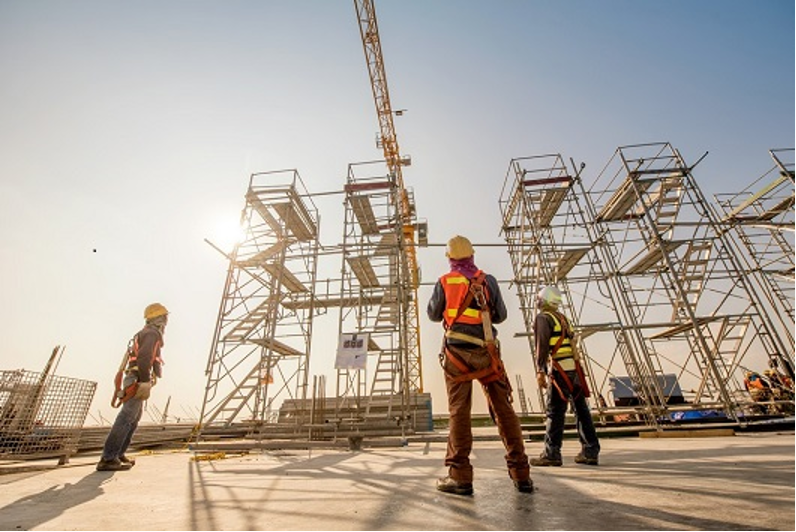
Developing a petrochemical industry demands robust infrastructure. From pipelines and ports to storage facilities and specialized logistics, the chemical industries stimulate a wave of supporting investments. These developments enhance a country’s overall industrial ecosystem, benefiting sectors beyond petrochemicals alone.
For instance, modernized ports that handle chemical exports can also boost general trade efficiency. Power and water infrastructure designed for petrochemical plants often spill over into broader industrial use. In this sense, petrochemicals act as both an industry and an enabler, accelerating the modernization of national infrastructure.
Export-Led Industrialization Strategies
Export-oriented growth has been a hallmark of many successful economies, and petrochemicals fit neatly into this framework. Positioning petrochemicals at the center of export strategies gives countries the opportunity to secure foreign exchange revenues while building reputations as reliable suppliers in global value chains.
Petrochemicals are particularly suited to this role due to their wide applications and steady demand. Because of that, they can help countries expand and strengthen their balance of payments and enhance their profile as industrial hubs. Success in this area creates a virtuous cycle: export revenues fund further industrial upgrades, while new projects expand export capacity.
Role of Free Economic Zones in Petrochemical Growth
Free economic zones (FEZs) play a crucial role in attracting investors to the petrochemical sector. Through offering tax incentives, simplified regulations, and world-class infrastructure, FEZs lower barriers to entry and encourage multinational participation.
For petrochemicals, zones located near ports or major transport corridors are particularly effective, enabling streamlined exports and supply chain efficiencies. Egypt has leveraged these tools to integrate petrochemical development with its broader trade and industrial policies. FEZs ensure that investments generate spillovers into logistics, services, and manufacturing, amplifying the sector’s overall contribution to economic growth.
Job Creation and Workforce Planning
Petrochemicals are highly capital-intensive, but they also support extensive job creation across multiple levels of the economy. Direct employment opportunities arise in plant operations, engineering, and logistics. Indirectly, the sector sustains jobs in construction, maintenance, and downstream industries.
To capitalize on this, workforce planning is essential to ensure that national education and training systems align with sectoral needs. Technical skills, chemical engineering expertise, and vocational training become critical levers in matching supply with demand. Egypt’s growing young workforce offers an advantage in this respect, providing the talent base needed to sustain expansion in petrochemicals and related industries.
Regional Integration in Industrial Policy
Petrochemicals can serve as a foundation for regional cooperation. Shared projects, cross-border pipelines, and integrated value chains enable countries to pool resources and reduce duplication. In regions like the Middle East and North Africa, petrochemicals represent both a competitive advantage and a platform for collaboration.
Coordinated policies can also enhance bargaining power in global markets, ensure efficient resource utilization, and encourage technology transfer. For Egypt, regional integration opens doors to joint ventures and wider market access, reinforcing its role as a strategic industrial player.
Egypt’s Vision 2030 Petrochemical Priorities
Petrochemicals are embedded in Egypt’s Vision 2030 strategy, reflecting their role in industrial development, sustainability, and economic resilience. Priorities include expanding production capacity, diversifying feedstocks, and adopting cleaner technologies.
Circularity, recycling, and low-carbon approaches are also becoming central to aligning the industry with global sustainability standards.
Large-scale investments, supported by public-private partnerships, like projects championed by Anchorage Investment, are ensuring that the sector contributes to broader goals of competitiveness and inclusive growth.
Final Thoughts
Petrochemicals are shaping national economies as engines of growth, diversification, and industrial resilience. In Egypt, integrating the sector into Vision 2030 positions the country as a regional hub with global reach.
Infrastructure, investment, and partnerships form the backbone of this strategy, while private players such as Anchorage Investment reinforce national priorities. Together, they ensure petrochemicals remain central to Egypt’s sustainable industrial future.