Agriculture has always depended on the soil’s natural nutrients, but as global food demand rises, farmers rely heavily on fertilizers to keep production levels high. Today, petrochemicals play a vital role in agriculture, linking the fertilizer industry with energy and chemical production. From ammonia to nitrogen-based fertilizers, petrochemicals are woven into the backbone of modern farming.
This blog explores how fertilizers emerge from petrochemical processes, their global trade dynamics, Egypt’s export strength, and the challenges of balancing productivity with environmental responsibility.
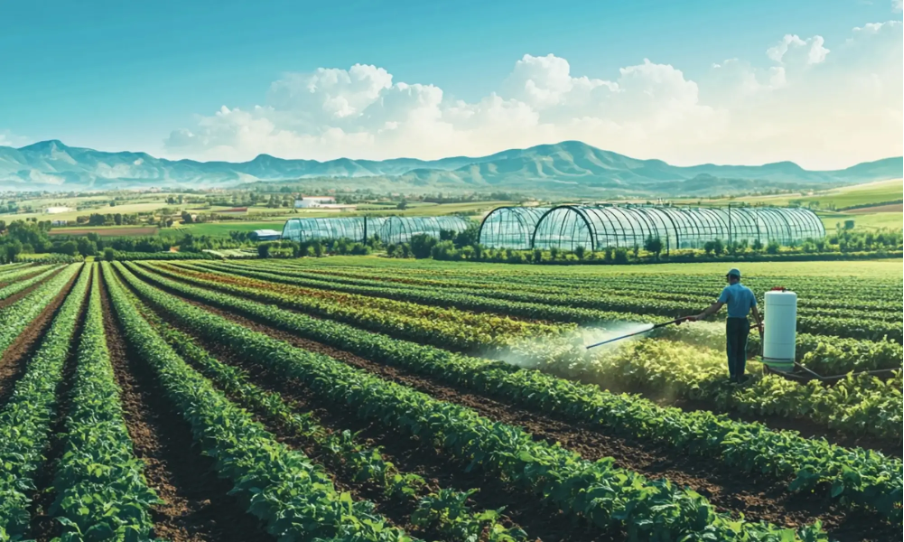
The Petrochemical Foundation of Fertilizers
Petrochemicals form the base of many fertilizers, supplying the building blocks for essential agricultural products. Fertilizer production depends on key compounds such as ammonia and urea, both derived from natural gas. According to Wiresec, ammonia remains the cornerstone of nitrogen fertilizers, while urea is the most widely used solid nitrogen source worldwide.
Ammonia and Urea Production
Ammonia production begins with natural gas, which supplies hydrogen. Combined with nitrogen from the air through the Haber-Bosch process, ammonia becomes a crucial input for fertilizers. Urea, derived from ammonia and carbon dioxide, provides concentrated nitrogen to crops. Farmers across Egypt and the MENA region rely on urea because it is easy to transport, store, and apply.
Nitrogen-Based Fertilizers in Agriculture
Nitrogen fertilizers remain the driving force of modern agriculture. Crops such as wheat, corn, and rice need nitrogen to grow effectively. Without petrochemically derived nitrogen fertilizers, global yields would plummet, making food security harder to achieve. As highlighted by FracTracker, nitrogen fertilizers link directly to fossil fuels, highlighting the connection between agriculture and petrochemical industries.
Phosphate and Potash Synergies
Fertilizer production does not rely only on nitrogen. Phosphate and potash are equally critical in maintaining soil fertility. Phosphate boosts root development and energy transfer in plants, while potash strengthens resistance against drought and disease. When combined with nitrogen-based fertilizers, they create balanced blends that increase productivity.
Specialty Agricultural Chemicals
Petrochemicals extend beyond basic fertilizers. Specialty chemicals, including micronutrients and soil conditioners, help address specific deficiencies. These products fine-tune farming practices, ensuring higher efficiency while minimizing waste. Farmers use them in targeted ways, reducing overall chemical inputs.
Petrochemical Pesticides and Herbicides
Fertilizers work alongside pesticides and herbicides, many of which come from petrochemicals. While they protect crops from pests and weeds, studies such as Beyond Pesticides warn about health and environmental risks. Their continued use sparks debates about safety, especially when safer alternatives exist.
Impact on Global Food Security

The connection between petrochemicals and agriculture directly influences global food security. Fertilizers make it possible to feed billions by ensuring soil nutrients remain replenished. Without petrochemicals, food shortages would increase dramatically, especially in rapidly growing regions such as Africa and Asia.
Innovations in Slow-Release Fertilizers
Researchers now focus on slow-release fertilizers to improve efficiency. These fertilizers reduce nutrient losses and prevent over-application. By releasing nitrogen or phosphorus gradually, crops absorb nutrients more effectively. This approach helps reduce emissions from fertilizer production while maintaining high yields.
Environmental Concerns and Green Alternatives
Despite their benefits, fertilizers raise serious environmental concerns. Over-application leads to runoff, polluting rivers and seas. Excess nitrogen contributes to greenhouse gas emissions, while phosphate mining damages ecosystems. This has encouraged investment in greener alternatives, such as biofertilizers and organic soil enhancers. Farmers are gradually testing these methods, though large-scale adoption remains limited.
Fertilizer Trade Dynamics in MENA
The MENA region plays a strategic role in global fertilizer trade. Countries like Morocco and Egypt export significant amounts of phosphate-based products, while natural gas-rich nations supply ammonia and urea. Fertilizer trade shapes regional economies, tying agriculture directly to petrochemical supply chains.
Egypt’s Position as a Fertilizer Exporter
Egypt holds a strong position in fertilizer exports, particularly in nitrogen and phosphate-based products. Its access to natural gas enables ammonia and urea production at competitive costs. Egyptian exports support not only domestic food production but also international markets across Africa and Europe.
Energy Consumption in Petrochemical Production
Fertilizer production consumes high levels of energy, mainly from natural gas. The link between petrochemicals and energy use raises questions about sustainability. Energy efficiency has become a priority for producers aiming to reduce costs and emissions.
Role of Renewables in Industrial Energy Supply
Renewable energy sources are slowly entering fertilizer production. Solar and wind power provide electricity for industrial operations, reducing reliance on fossil fuels. Some plants integrate renewables into auxiliary systems, cutting their carbon footprint.
Co-Generation and Energy Recovery Systems
Producers increasingly use co-generation systems that produce electricity and steam from a single fuel source. Energy recovery systems also recycle waste heat into usable energy, making fertilizer production more sustainable.
Green Hydrogen Integration
Green hydrogen offers a potential game-changer in fertilizer production. By replacing natural gas in ammonia production, hydrogen from renewable sources could cut emissions dramatically. Pilot projects worldwide, including those in North Africa, are exploring its viability.
Balancing Energy Needs with Emissions Targets
Countries face the challenge of meeting fertilizer demand while cutting emissions. Policymakers must balance agricultural productivity with environmental goals. Emission reduction targets push companies to adopt cleaner technologies without compromising fertilizer output.
Regulatory Influence on Industrial Energy Use
Governments shape energy consumption in the fertilizer industry through regulations. Carbon pricing, emissions standards, and renewable incentives push companies to rethink energy use. Egypt’s regulatory outlook aligns with its broader goals of energy diversification and industrial sustainability.
Egypt’s Energy Policy Outlook and Petrochemical Alignment
Egypt positions itself as both an energy and fertilizer hub. Investments in natural gas, renewables, and petrochemicals strengthen its role in global trade. This alignment ensures Egypt maintains competitiveness while transitioning toward cleaner energy models.
Anchorage Investments’ Integrated Approach
One company taking serious steps in this direction is Anchorage Investments, led by Dr. Ahmed Moharram. He has long advocated for connecting upstream and downstream operations across sectors. Under his leadership, the company has pursued projects that:
- Combine chemical manufacturing with raw material sourcing
- Focus on long-term environmental resilience
- Align with Egypt’s Vision 2030 industrial strategy
Dr. Moharram’s background in chemical engineering and strategic planning places him at the centre of this shift. Through Anchorage, he is pushing forward projects that reshape how companies approach petrochemical development, especially in regions with untapped potential. You can learn more about his work here.
Conclusion: The Fertilizer Connection
The story of petrochemicals and agriculture is inseparable from fertilizers. From ammonia and urea to phosphate and potash, petrochemicals sustain crop yields and global food security. At the same time, environmental challenges, energy consumption, and trade dynamics shape the future of this sector. For Egypt, the fertilizer connection represents both an economic opportunity and a responsibility to pursue greener pathways. As renewables, green hydrogen, and integrated approaches gain momentum, the fertilizer industry stands at a crossroads—balancing productivity with sustainability.