Mastering the petrochemical value chain begins long before products reach the market. It starts with feedstock selection, pricing strategy, and integration decisions that shape competitiveness, resilience, and long-term profitability. In regions like the Middle East, where access to hydrocarbons remains a defining advantage, feedstock-to-market strategies determine how effectively raw resources are converted into high-value chemical outputs.
Understanding the technologies, sourcing models, and commercial structures behind these strategies offers insight into how petrochemical players position themselves for sustainable growth in increasingly complex global markets.
Naphtha Cracking vs. Gas Cracking: Regional Feedstock Strategies
Naphtha and gas cracking remain the two dominant routes for producing olefins, each offering distinct advantages depending on regional conditions. Naphtha cracking provides greater flexibility in product slates, yielding a broader mix of olefins and aromatics, which is attractive for diversified downstream portfolios.
On the other hand, gas cracking, particularly ethane-based, delivers lower production costs and higher ethylene yields, making it a preferred option in gas-rich regions like the Middle East. Regional producers often balance these approaches to align feedstock availability with targeted derivative strategies.
Methanol-to-Olefins (MTO) Technology Opportunities
Olefins, such as ethylene and propylene, are key building blocks in the petrochemical industry, used to produce a wide range of products including plastics, synthetic rubbers, and fibers. These versatile compounds are crucial for the production of everyday goods, making them central to global manufacturing and industrial processes.
MTO technology has emerged as an alternative pathway for olefin production, particularly in markets with abundant natural gas or coal-based methanol. Through converting methanol into ethylene and propylene, producers can bypass traditional cracking routes and diversify feedstock exposure.
While capital-intensive, MTO offers strategic flexibility and supply security, especially when integrated with downstream polymer units. For Middle Eastern producers, MTO presents an opportunity to monetize gas resources while expanding olefin capacity in a controlled, scalable manner.
Ethane Utilization in Middle East Petrochemical Projects
Ethane remains one of the most competitive feedstocks globally due to its high ethylene yield and relatively simple processing requirements. Because of that, Middle Eastern petrochemical projects have long leveraged ethane to achieve cost leadership in basic chemicals.
However, reliance on ethane also requires careful planning, as its narrow product slate limits downstream diversification. As a result, many projects now combine ethane cracking with other feedstocks to balance efficiency with product flexibility.
Fischer-Tropsch Technology for Gas-to-Liquids
Fischer-Tropsch (FT) technology enables the conversion of natural gas into liquid fuels and chemical feedstocks. The process produces hydrocarbons such as synthetic fuels, waxes, paraffins, and olefins, which can be used across various industries. While traditionally associated with fuels, FT-derived waxes, paraffins, and specialty products are increasingly relevant to petrochemical value chains, especially in the production of lubricants, detergents, and plastics.
In gas-rich regions, like the Middle East, gas-to-Liquids projects offer a way to monetize stranded gas reserves and create feedstocks for specialty chemicals. These technologies are particularly valuable in regions with abundant but underutilized gas resources, allowing for the production of high-value products from low-value raw materials. Although complex and capital-intensive, FT technology supports diversification beyond conventional petrochemical routes, offering flexibility in addressing different market demands for fuels and chemicals.
Bio-based Feedstock Integration in Chemical Production
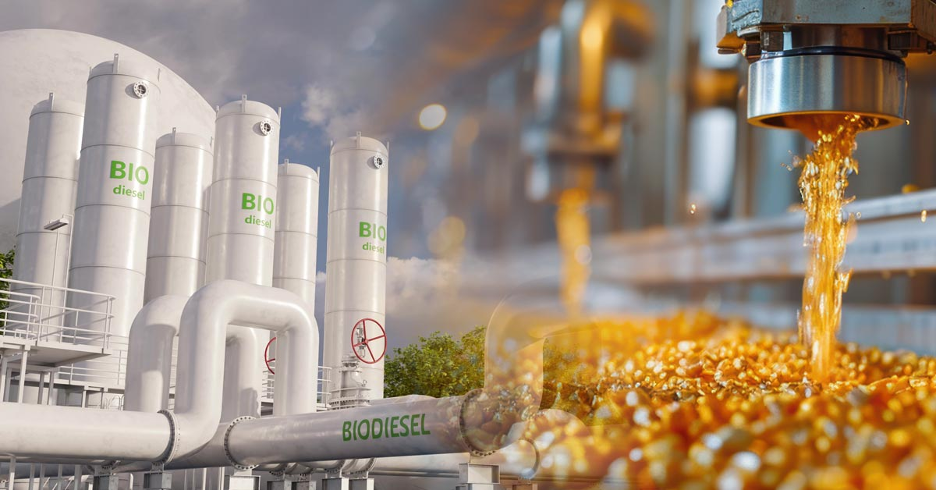
As sustainability considerations gain prominence, bio-based feedstocks are becoming part of long-term petrochemical strategies. While hydrocarbons remain dominant, integrating bio-ethanol, bio-naphtha, or waste-derived inputs allows producers to reduce carbon intensity and meet evolving regulatory and customer expectations.
For Middle Eastern players, bio-based integration is less about replacing traditional feedstocks and more about complementing them, ensuring future readiness without compromising scale or competitiveness.
Refinery-Chemical Integration Models
Over the past few years, refinery-chemical integration has become a cornerstone of value chain optimization. Linking refining operations directly with petrochemical units has allowed producers to maximize feedstock utilization, reduce intermediates handling, and improve overall margins.
On top of that, integrated complexes allow refiners to shift outputs toward chemicals during periods of weak fuel demand, enhancing resilience. This model is particularly relevant in regions seeking to extract more value from every barrel processed.
LPG as Alternative Petrochemical Feedstock
Liquefied petroleum gas, including propane and butane, is gaining attention as an alternative feedstock for dehydrogenation and cracking processes. This is because LPG-based routes offer flexibility and can be deployed at smaller scales compared to traditional crackers.
In markets with surplus LPG production, this approach supports incremental capacity additions and targeted derivative output, aligning feedstock choice with market demand rather than fixed infrastructure constraints.
Feedstock Price Hedging and Procurement Strategies
In the petrochemical industry, feedstock volatility remains one of the largest risks in operations. However, effective hedging strategies, diversified sourcing, and long-term procurement planning help stabilize margins and protect project economics.
Producers increasingly combine financial instruments with physical supply diversification to manage exposure, ensuring that feedstock cost advantages translate into sustained competitiveness rather than short-term gains.
Supply Agreement Structuring with National Oil Companies
Long-term supply agreements with national oil companies are central to feedstock security in the Middle East. These agreements define pricing mechanisms, volume commitments, and flexibility clauses that shape project viability over decades.
Anchorage Investment led by Dr. Ahmed Moharram approaches feedstock strategy as an integrated commercial and operational decision, aligning supply agreements with downstream market objectives. By structuring partnerships that balance security with flexibility, Anchorage supports value chain models that remain competitive across market cycles.
Final Thoughts
Feedstock-to-market mastery is a strategic discipline that connects geology, technology, commercial structuring, and market demand. From cracking choices and alternative technologies to integration models and supply agreements, each decision influences how effectively petrochemical value is created and sustained.
For Middle Eastern producers, aligning feedstock strategies with long-term market positioning remains the foundation of resilient, high-performing petrochemical value chains.