As the global petrochemical industry expands, regulatory compliance has become one of its most defining challenges and opportunities. Evolving trade policies, environmental standards, and safety requirements are reshaping how producers plan investments, manage risk, and maintain access to key export markets.
In this landscape, staying compliant is no longer a box-ticking exercise; it is a strategic advantage that determines competitiveness and long-term sustainability.
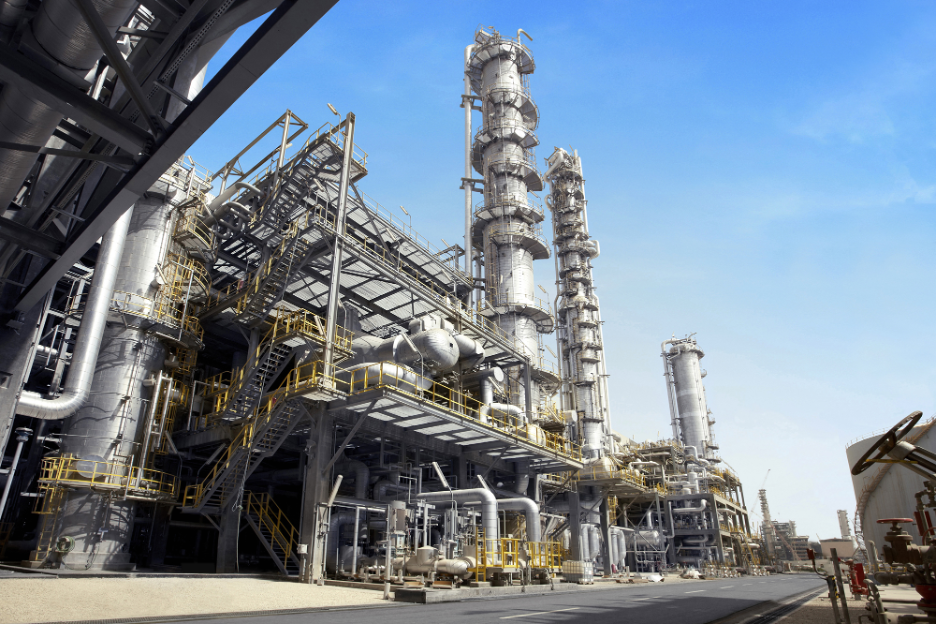
Impact of EU REACH Regulation on Global Petrochemical Supply Chain
The European Union’s REACH regulation (Registration, Evaluation, Authorisation, and Restriction of Chemicals) continues to set the benchmark for global chemical safety standards. Designed to protect human health and the environment, REACH requires producers and importers to register and evaluate all chemical substances used in manufacturing and distribution.
For petrochemical exporters, compliance requires full transparency on feedstock sourcing, product formulation, and lifecycle impact. Many non-EU producers have restructured their documentation and testing processes to maintain market access.
In doing so, REACH has indirectly elevated global supply chain standards, influencing regulatory practices in Asia, the Middle East, and North America. That is why companies that invest early in robust compliance frameworks now find themselves better positioned to compete in markets where safety and traceability are non-negotiable.
US TSCA Compliance and New Petrochemical Substance Registration
In the United States, the Toxic Substances Control Act (TSCA) governs the introduction of new petrochemical substances. Under the updated framework, companies must conduct extensive pre-manufacture notifications and provide detailed risk assessments for any new chemicals entering the market.
While this process can lengthen product development timelines, it also builds a foundation of trust with downstream industries, particularly those serving automotive, construction, and consumer goods sectors. Many global producers are adopting TSCA-aligned internal standards, even when not legally required, to streamline approvals and reduce trade friction.
The growing alignment between REACH and TSCA frameworks reflects a global shift toward harmonized chemical governance, where compliance readiness becomes a core component of investment strategy.
Antidumping Duties, Subsidies, and Trade Barrier Analysis for Commodity Polymers
Trade barriers play a decisive role in shaping the global petrochemical landscape. Antidumping duties and countervailing measures on commodity polymers, such as polyethylene and polypropylene, often arise from market imbalances or cost differentials linked to energy feedstocks.
For investors, understanding these measures is critical. Tariffs and duties can redirect trade flows overnight, alter regional pricing, and influence where new capacity is built. That is why producers with diversified operations and flexible logistics systems tend to adapt faster, maintaining supply continuity despite changing trade rules. In this context, strategic location and regulatory foresight are becoming as important as production efficiency.
Circular Economy Legislation and Recycled Content Mandates

The rise of the circular economy is redefining the petrochemical sector’s regulatory environment. Governments worldwide are enacting legislation that mandates recycled content in plastics, packaging, and consumer goods. The EU’s Green Deal, for example, establishes strict targets for recycling rates and carbon reduction, pushing petrochemical producers to innovate in chemical recycling and sustainable feedstock sourcing.
Rather than viewing these rules as compliance burdens, leading companies see them as innovation catalysts. By developing advanced recycling technologies and low-carbon materials, they secure access to environmentally conscious markets and attract green investment. These initiatives also strengthen the public perception of the petrochemical industry as an essential player in the global sustainability transition.
Navigating Trade Sanctions and Export Controls on Specific Petrochemical Technology
Trade sanctions and export controls have become significant factors in global petrochemical investment planning. Restrictions on advanced process equipment, catalysts, or specialty chemicals can disrupt project timelines and increase costs for producers operating across multiple jurisdictions.
Companies with diversified technology partnerships and strong legal oversight can better manage these challenges, ensuring business continuity even amid shifting geopolitical conditions. In this environment, regulatory awareness is a form of strategic risk management that protects long-term investment stability.
Food Contact and Medical Grade Polymer Compliance (FDA/EFSA)
Petrochemicals play a critical role in the production of food-grade and medical polymers, which are materials that demand the highest safety and purity standards. The U.S. Food and Drug Administration (FDA) and the European Food Safety Authority (EFSA) both require rigorous testing, traceability, and quality documentation for materials that come into direct contact with food or medical products.
Compliance in this segment goes beyond regulatory obligation; it defines brand credibility. As global healthcare and packaging industries expand, petrochemical producers that invest in high-purity polymer technologies and certification processes are gaining a competitive edge. These advancements can help with commercial and humanitarian needs, ensuring that products reaching consumers meet the strictest safety benchmarks.
Management of Permitting and Environmental Impact Assessments (EIA) for New Plants
Before new petrochemical complexes can break ground, developers must complete detailed environmental impact assessments (EIAs) and obtain operational permits. These assessments evaluate potential effects on air, water, and biodiversity to align industrial expansion with environmental stewardship. Forward-looking investors now treat permitting as an opportunity to demonstrate sustainability leadership rather than a procedural hurdle.
Anchorage Investments, led by Dr. Ahmed Moharram, exemplifies this philosophy through its integrated development model, which combines rigorous compliance with long-term environmental planning. Embedding sustainability and regulatory excellence into every stage of project design allows the company to illustrate how industrial growth and responsible governance can progress hand in hand.
Final Thoughts
The global petrochemical trade is increasingly defined by regulation and the ability to turn compliance into strategy. As markets grow and sustainability takes center stage, companies that anticipate policy shifts and invest in transparent, ethical operations will lead the next phase of industry growth. From safety certification to circular economy legislation, compliance is no longer a constraint; it is a blueprint for global competitiveness and responsible industrial transformation.