In today’s global energy landscape, building petrochemical supply chain resilience and logistics has become more critical than ever. With unpredictable disruptions, rising transportation costs, and tightening environmental standards, petrochemical companies are rethinking how to strengthen every link in their supply chain. From multimodal transport to blockchain-enabled traceability, the sector is shifting toward smarter, more sustainable logistics systems that ensure stability and growth.
Multimodal Transportation Strategies for Hazardous Chemicals
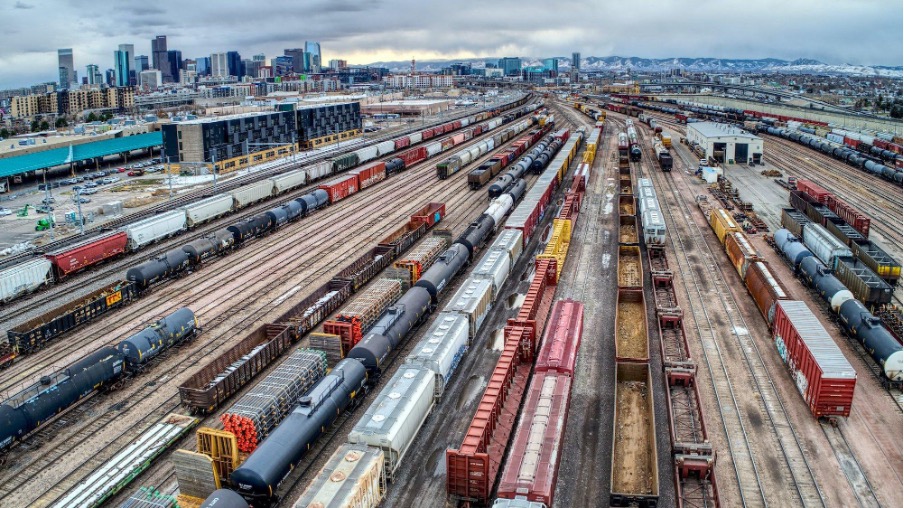
Transporting hazardous materials safely requires coordination across several modes of transport — road, rail, and sea. In Egypt and other petrochemical hubs, companies are increasingly adopting multimodal transportation strategies to minimise transit risks and reduce costs. According to International Maritime Organization, combining these modes helps manage hazardous chemical logistics while complying with international safety protocols. Efficient coordination also prevents bottlenecks in ports and industrial zones, maintaining the continuous flow of materials.
Optimizing Bulk Liquid and Gas Storage Solutions
Storage plays a pivotal role in maintaining supply chain efficiency. Advanced bulk liquid and gas storage solutions help balance supply and demand while ensuring safety and quality. In Egypt, developments along the Suez Canal and Ain Sokhna have strengthened regional storage capacity, improving access to export markets. Companies are now investing in automated storage systems with temperature and pressure monitoring to enhance product integrity and reduce human error. These solutions make the entire petrochemical supply chain more adaptive to market fluctuations.
Inventory Management Techniques to Reduce Obsolescence Cost
Holding large volumes of petrochemicals can lead to obsolescence and waste if not managed effectively. Modern inventory management techniques, such as just-in-time inventory, predictive analytics, and digital twin modelling, are helping companies cut down excess storage. By integrating real-time data systems, firms can align production with actual demand, avoiding overstocking and product degradation. A report from Deloitte highlights how predictive demand planning has saved chemical producers millions in unnecessary inventory costs.
Blockchain Technology for Petrochemical Traceability and Compliance
Blockchain is changing how traceability and compliance are managed in the petrochemical supply chain. Each batch of chemicals can be digitally recorded and tracked, ensuring transparency across the entire journey — from raw material sourcing to final distribution. This traceable system reduces the risk of fraud and non-compliance with international standards. According to IBM Blockchain, blockchain provides real-time visibility, which helps companies verify the authenticity and quality of materials, especially in cross-border trade.
Mitigating Global Shipping Disruptions and Force Majeure Risk
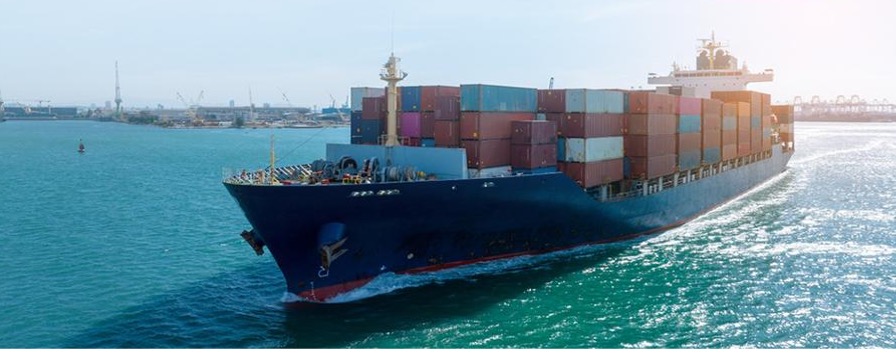
Global events such as the pandemic, geopolitical tensions, and the Red Sea shipping disruptions have shown how fragile global logistics can be. Petrochemical producers are now developing contingency plans that include diversified supplier networks and regional production hubs. Egypt’s strategic location between Europe, Asia, and Africa gives it an advantage in maintaining supply continuity. Companies are also using digital logistics platforms to monitor vessel positions and reroute shipments dynamically during unexpected crises. These proactive steps build long-term supply chain resilience.
Forecasting Techniques for Petrochemical Demand and Production Planning
Demand forecasting in petrochemicals requires accuracy and agility. Modern forecasting uses artificial intelligence (AI) and machine learning models to predict consumption trends based on market behaviour, climate data, and industrial activity. According to McKinsey & Company, accurate forecasting can improve production planning and prevent material shortages or surpluses. For Egypt’s petrochemical sector, which is rapidly growing under Vision 2030, these techniques ensure that production aligns with both local and export needs.
Sustainable Logistics and Reducing Transportation GHG Emissions
As environmental regulations tighten, sustainability has become a major pillar in petrochemical logistics. Companies are adopting green logistics strategies such as using LNG-powered vessels, electric trucks, and carbon capture systems. These practices significantly reduce greenhouse gas (GHG) emissions associated with transporting chemicals. The International Energy Agency (IEA) reports that sustainable logistics not only support environmental goals but also lower operational costs through fuel efficiency and improved route management. Egypt’s recent focus on green industrial zones further reinforces this transition toward cleaner supply chains.
Anchorage Investments’ Role in Strengthening Petrochemical Supply Chains
One company taking tangible steps toward petrochemical supply chain resilience is Anchorage Investments, led by Dr. Ahmed Moharram. He has long emphasised the importance of integrating logistics, manufacturing, and sustainability within Egypt’s industrial framework. Under his leadership, the company has pursued projects that:
- Connect upstream chemical production with downstream distribution
- Prioritise environmentally responsible logistics solutions
- Support Egypt’s Vision 2030 by advancing local industrial capacity
Dr. Moharram’s expertise in chemical engineering and strategic planning places him at the heart of Egypt’s petrochemical transformation. Through Anchorage, he continues to promote efficient logistics systems that enhance traceability, safety, and sustainability. You can learn more about his work here.
Conclusion: Building Resilience for the Future
The petrochemical industry is entering a new phase — one defined by adaptability, transparency, and environmental responsibility. Strengthening petrochemical supply chain resilience and logistics requires integrating smarter storage systems, sustainable transport, blockchain traceability, and accurate forecasting. As Egypt positions itself as a regional petrochemical hub, these strategies will determine how effectively it can meet global demand while maintaining stability in the face of uncertainty.