From the clothes we wear every day to the fabrics driving global fashion, petrochemicals play a central role in shaping the industry. Synthetic fibers, dyes, and chemical treatments have defined modern textiles, and as sustainability pressures mount, petrochemicals are both part of the challenge and the solution, driving innovation in fibers, recycling, and eco-friendly alternatives.
Against this backdrop, it is worth exploring how petrochemicals continue to influence textiles and fashion, from polyester and dyes to Egypt’s growing role in regional integration.
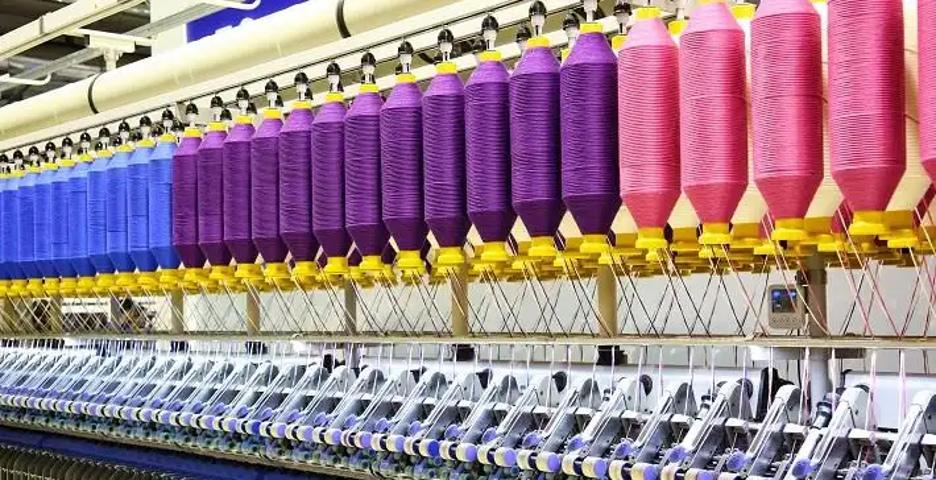
Polyester and Synthetic Fiber Production
Polyester and other synthetic fibers dominate the global textile market, accounting for more than 60% of total fiber use. Derived primarily from petrochemical feedstocks such as purified terephthalic acid (PTA) and monoethylene glycol (MEG), polyester offers durability, wrinkle resistance, and affordability, making it central to mass fashion production.
Other synthetic fibers, including nylon, acrylic, and spandex, also rely on petrochemical inputs, supporting a vast ecosystem of clothing, sportswear, and technical fabrics. Despite their utility, these fibers are resource-intensive to produce and contribute significantly to microplastic pollution, raising the need for better recycling and responsible consumption.
Colorants and Dyes Derived From Chemicals
Chemical dyes and pigments are indispensable in modern fashion, replacing natural colorants that struggled to meet industrial-scale demand. Today, more than 80% of textiles are dyed using petrochemical-derived compounds, ensuring vibrant shades, durability, and wash resistance.
However, conventional dyeing processes are energy and water-intensive, generating large amounts of wastewater. This has accelerated research into cleaner methods, such as supercritical carbon dioxide dyeing and low-impact reactive dyes, which reduce chemical discharge. Because of that, advances in dye chemistry are helping align petrochemical applications with stricter environmental and safety standards across global markets.
Fast Fashion’s Reliance on Synthetics
The rise of fast fashion has increased the industry’s dependence on petrochemicals. Affordable polyester-based fabrics enable rapid production cycles and low-cost clothing, meeting consumer demand for constant new trends. Yet this convenience comes at a cost: garments are often short-lived, non-biodegradable, and difficult to recycle, adding to environmental concerns.
This reliance highlights the double-edged role of petrochemicals in fashion, providing affordability and performance while driving waste challenges. Addressing this requires a shift toward circular models and stronger integration of recycling technologies into mainstream textile production.
Circular Fashion and Recycling of Textiles

Circular fashion is emerging as a response to these waste challenges, with recycling technologies at its core. Petrochemical-based solutions are helping extend the life cycle of synthetic fibers through chemical recycling, which breaks down polyester back into its original monomers for reuse.
Brands and technology providers are scaling up closed-loop systems to reduce textile waste, lower dependence on virgin petrochemical feedstocks, and mitigate microplastic leakage. These circular approaches help businesses align with global sustainability goals and create new investment opportunities across the textile value chain.
Growth of Bio-Based Fibers as Alternatives
The search for alternatives to conventional petrochemical fibers is fueling growth in bio-based textiles. Polylactic acid (PLA), bio-PET, and regenerated cellulose fibers are being explored as more sustainable substitutes. These materials aim to combine the performance of synthetics with improved biodegradability and lower carbon footprints.
Although scaling bio-based fibers remains challenging due to higher costs, limited availability, and infrastructure gaps in recycling. For now, petrochemical-derived fibers still dominate, but bio-based innovation signals a growing shift in how the fashion industry balances performance with sustainability.
Egypt’s Textile Sector and Petrochemical Integration
Egypt’s textile industry, one of the oldest and largest in the region, is increasingly integrating petrochemical advances to strengthen its competitiveness. Investments in polyester and chemical dye production are helping local manufacturers diversify their output and meet both domestic and export market demand.
Besides that, the country’s access to raw materials, established manufacturing base, and strong regional ties make it a potential hub for both synthetic fiber production and sustainable textile innovation. Anchorage Investment, led by Dr. Ahmed Moharram, exemplifies the type of forward-looking leadership working to strengthen the links between petrochemicals and downstream industries, ensuring that Egypt can play a crucial role in shaping the regional textile future.
Final Thoughts
From synthetic fibers and chemical dyes to recycling technologies and bio-based alternatives, petrochemicals are deeply woven into the fabric of global fashion. While challenges such as waste, microplastics, and fast fashion’s environmental footprint persist, innovation is pointing toward more circular and sustainable pathways.
In addition, Egypt’s growing role in integrating petrochemicals with textiles demonstrates how regional leadership can shape a more competitive and responsible fashion industry.