Across the Middle East and North Africa, petrochemical producers are reassessing how feedstock choices influence competitiveness, sustainability, and long-term resilience. As markets evolve beyond traditional oil and gas inputs, alternative and hybrid feedstocks are gaining strategic importance.
By 2026, diversified feedstock strategies, spanning waste, biomass, carbon utilization, and flexible infrastructure, are expected to shape the next phase of petrochemical development across the region.
Plastic Waste as Chemical Feedstock: Pyrolysis Technologies
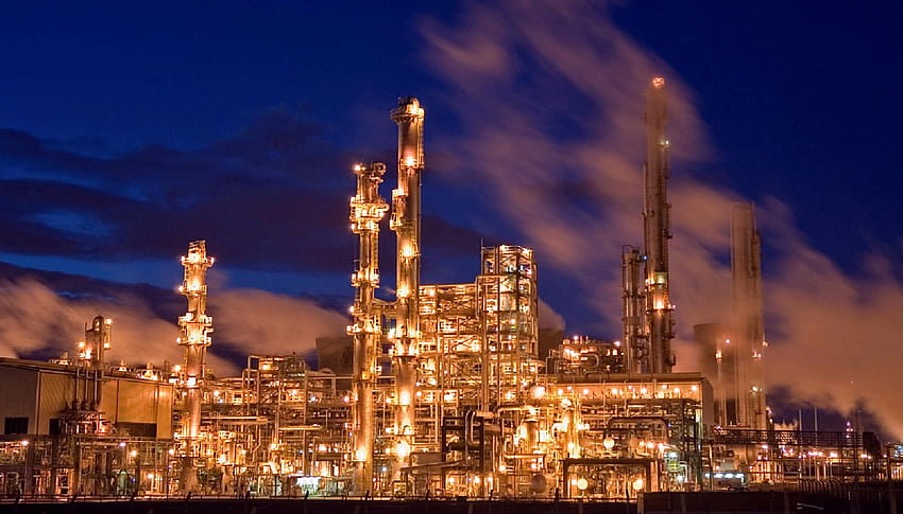
Rising volumes of mixed and contaminated plastic waste are challenging conventional recycling systems and increasing pressure on landfills. That is why advanced thermal treatment methods are being deployed to recover value from plastic streams that mechanical recycling cannot process. Using pyrolysis technologies, plastics are decomposed without oxygen into liquid hydrocarbons, waxes, and gases suitable for petrochemical use.
The process breaks long polymer chains into smaller molecules for fuels, monomers, and chemical precursors, reducing reliance on virgin fossil inputs while supporting circular economy objectives as reactor design and emission controls continue to improve commercially.
Biomass-Based Feedstock for Renewable Chemicals
The shift toward renewable carbon sources has increased interest in organic materials from agriculture and forestry. Using biomass-based feedstocks, crop residues, wood waste, animal by-products, and algae are converted into fuels and chemicals through biorefinery systems.
These systems apply thermochemical, biochemical, and catalytic pathways to produce bioethanol, biobutanol, resins, solvents, and bioplastics. Operating within renewable carbon cycles, biomass lowers lifecycle emissions and supports circular production, while advances in efficiency and integration are improving economics despite variability, logistics, and cost challenges.
CO₂ as Raw Material: Carbon-to-Chemicals Pathways
Decarbonization efforts in petrochemicals increasingly focus on carbon reuse alongside emission reduction. Through carbon-to-chemicals pathways, captured CO₂ is converted into valuable products rather than treated as waste. One route reacts CO₂ with hydrogen to produce syngas for methanol, hydrocarbons, and specialty chemicals, while electrochemical reduction and mineralization expand utilization options.
Using CO₂ as a raw material enables circular carbon flows, reduces fossil feedstock dependence, and supports low-carbon product portfolios as hydrogen availability and capture infrastructure continue to expand regionally.
Mixed Plastic Waste Gasification for Syngas Production
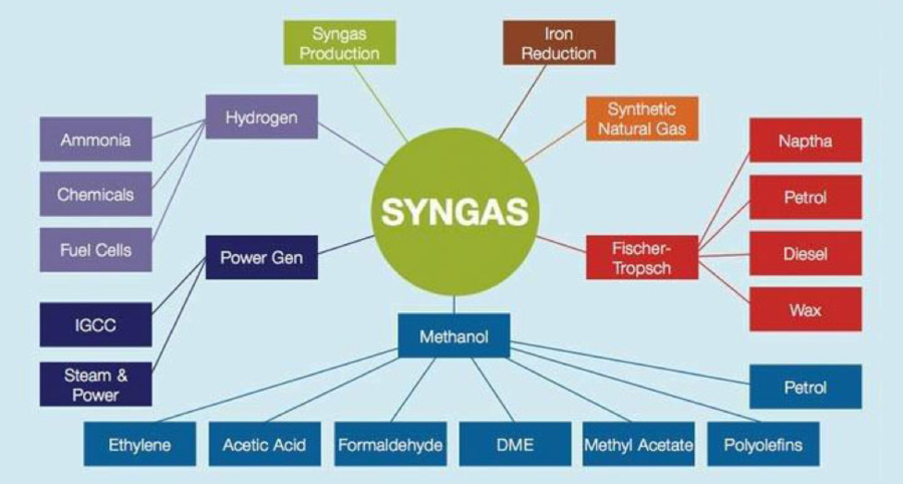
Plastic waste streams containing multiple polymer types and contaminants often fall outside conventional recycling specifications. To recover value, controlled thermal conversion methods are applied through mixed plastic waste gasification. Through this process, plastics are exposed to high temperatures with limited oxygen or steam, producing syngas composed of hydrogen and carbon monoxide.
This syngas is used to produce fuels, methanol, and chemical intermediates. Although challenges such as tar formation remain, advances in catalysts and gas cleanup systems are improving efficiency and yields, supporting integration into petrochemical value chains.
Agricultural Residue Conversion to Chemical Building Blocks
Agricultural activities across the MENA region generate large volumes of residues that remain underutilized. Processing agricultural residues such as straw, husks, and stalks, allows us to convert lignocellulosic biomass into chemical building blocks through pretreatment, enzymatic hydrolysis, and catalytic upgrading.
These processes yield sugars and platform molecules, including acids, alcohols, and furans, used as precursors for polymers, solvents, and biofuels. Using non-food biomass avoids competition with food systems, while advances in catalysts, enzymes, and process integration improve scalability and energy efficiency.
Algae-Based Feedstock Development
High-productivity biological systems are emerging as promising renewable feedstock sources. Through algae-based feedstock development, microalgae are cultivated to produce biofuels and bio-based chemicals without competing for arable land or freshwater resources.
Algae offer high lipid yields for biodiesel production and can also be processed into biogas, bioethanol, and specialty chemicals. Their rapid growth rates and ability to absorb CO₂ during cultivation enhance sustainability performance.
While challenges remain in harvesting efficiency and cost reduction, advances in cultivation systems and bioprocessing technologies are steadily improving commercial feasibility.
Municipal Solid Waste to Chemical Intermediates
Urbanization across the region is increasing the volume and complexity of municipal waste streams. Instead of disposal, municipal solid waste is being converted into chemical intermediates through advanced thermochemical and catalytic processes.
Technologies, such as those developed under projects like PERCAL, aim to transform mixed waste into syngas, methanol, aromatics, and other platform chemicals. By diverting waste from landfills and upgrading it into valuable chemical precursors, these systems support circular economy objectives while creating new industrial revenue streams.
Hybrid Feedstock Models: Mixing Traditional and Alternative Sources
Balancing feedstock availability, cost, and environmental impact has led to interest in multi-input processing strategies. Hybrid feedstock models, which are combinations of coal, biomass, natural gas, and waste-derived materials, are used to optimize conversion efficiency and reduce emissions.
Syngas produced from mixed feedstocks can be tailored for Fischer–Tropsch synthesis or methanol production, allowing producers to adjust inputs based on market conditions. These hybrid approaches enhance flexibility and resilience while enabling gradual transitions toward lower-carbon production pathways without abandoning existing infrastructure.
Economics of Alternative Feedstock in the MENA Region
Economic considerations play a central role in feedstock diversification decisions. Across MENA, alternative feedstocks offer opportunities to reduce exposure to fossil fuel price volatility, strengthen local manufacturing, and lower import dependency.
While higher upfront capital costs and technology readiness gaps present challenges, supportive policy frameworks, scale effects, and regional cooperation can improve long-term economics. Investments in alternative feedstocks also support job creation and industrial diversification, aligning sustainability goals with broader economic development strategies.
Infrastructure Requirements for Multi-Feedstock Flexibility
Operating with diverse feedstocks requires adaptable industrial systems. Achieving multi-feedstock flexibility depends on infrastructure capable of managing variations in composition, moisture content, and supply reliability.
Flexible pretreatment units, modular reactors, advanced sensors, and digital planning tools enable facilities to switch between feedstocks with minimal downtime. Integrated logistics networks and storage solutions further enhance reliability. This type of infrastructure supports resilient operations, cost optimization, and consistent product quality across evolving market conditions.
Within this evolving feedstock landscape, Anchorage Investment led by Dr. Ahmed Moharram approaches diversification as a long-term value-chain strategy, aligning alternative inputs, processing flexibility, and industrial efficiency to support resilient petrochemical development across MENA markets.
Final Thoughts
By 2026, petrochemical competitiveness in the MENA region will increasingly depend on diversified feedstock strategies extending beyond oil and gas. Waste-derived, renewable, and hybrid inputs offer pathways to reduce emissions, improve supply security, and support circular economy goals. As infrastructure, policy, and technology mature, integrated feedstock portfolios will play a central role in building resilient, future-ready petrochemical value chains across the region.