Egypt possesses vast mineral wealth, and truly realizing this potential requires more than just digging rock out of the ground. The critical difference between a simple raw material and a valuable industrial input lies in the crucial process known as Mineral Beneficiation: Adding Value to Raw Materials for Industrial Use.
This essential step cleans, sorts, and concentrates mined ores, transforming low-grade deposits into the high-quality feedstocks our modern industries demand. By focusing intensely on Mineral Beneficiation: Adding Value to Raw Materials for Industrial Use locally, we build stronger supply chains, support domestic manufacturing, and significantly bolster national industrial growth.
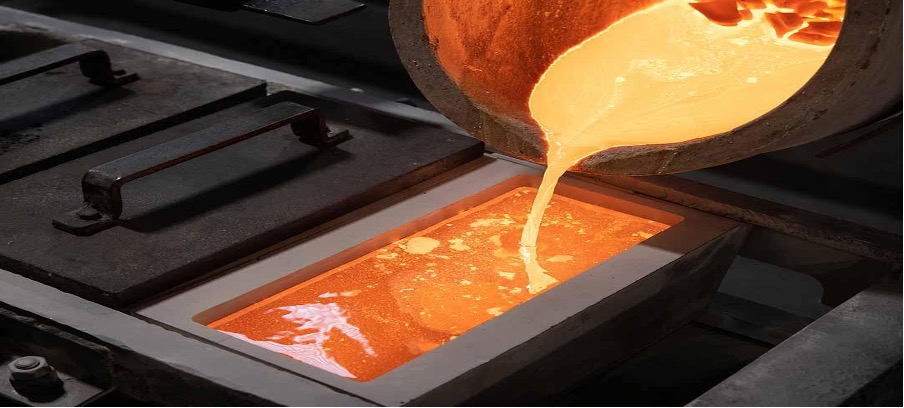
Understanding Beneficiation: Transforming Mined Ore into Usable Feedstock
When mining operations remove rock from the earth, this raw material, which engineers call run-of-mine ore, contains valuable economic minerals mixed intimately with unwanted waste rock, or gangue. Beneficiation strategically tackles this mixture.
It separates the desired economic minerals from the gangue, greatly improving the ore’s financial worth. Mineral engineers achieve this separation by exploiting the subtle physical properties that distinguish the valuable minerals, such as their size, density, magnetic properties, or surface chemistry. Experts must first focus on liberating individual mineral phases from the waste material before any effective separation can begin. Without this initial liberation, the valuable materials remain chemically locked inside the useless rock matrix.
Key Beneficiation Processes: Crushing, Grinding, and Flotation
We typically carry out mineral beneficiation through a carefully choreographed series of mechanical steps designed to reduce particle size and separate the constituent components. The first stage, which we call comminution, includes both crushing and grinding.
- Crushing initially reduces large run-of-mine ore into smaller, more manageable pieces using specialized machinery like jaw or cone crushers. This preparatory step ensures the ore can enter the grinding phase efficiently and with less energy consumption.
- Grinding then takes the crushed ore and reduces its size much further, often using massive ball or rod mills until the mineral grains completely separate from the gangue, a degree of fineness required for effective separation. This crucial liberation stage generally occurs in wet conditions.
After the size reduction, concentration methods take over. One of the most common and powerful is froth flotation, which works exceptionally well for fine particles. Flotation uses specific chemical reagents—collectors and frothers—to make the desired mineral particles selectively attach themselves to air bubbles introduced into the slurry. These coated particles float to the surface as froth and workers skim them off, while the gangue minerals remain behind and sink.
Improving Purity: Enhancing Mineral Quality for High-Specification Industries
Beneficiation’s primary and most crucial outcome is an ore concentrate that contains a significantly higher percentage of the target mineral. Achieving this level of purity is necessary because downstream industrial processes require precise chemical compositions and uniform sizing. A cleaner, higher-grade product immediately offers substantial economic benefits for miners and processors. For example, reducing waste rock from 80% of the bulk down to just 20% dramatically lowers both the weight and volume of the material producers must transport from the mine site to the port or factory.
These savings in freight and handling costs alone can determine the economic viability of a low-grade deposit. Furthermore, a cleaner product reduces the energy and materials costs in later smelting or chemical refining stages because manufacturers process far less waste material. We see this concept applied directly in Egypt: Misr Phosphate operates a facility at Abu Tartour that physically removes fine particles, producing a low-dust phosphate rock. This simple upgrade reduces dust by about 80% while raising the P₂O₅ content, making the product suitable for international markets that previously rejected it due to environmental handling regulations.
The Fertilizer Connection: Beneficiating Phosphate and Other Key Minerals
Egypt holds substantial phosphate rock reserves, positioning it among the world’s leading countries for this strategic mineral resource, with major deposits located in Abu Tartour, El Sebaia, and the Red Sea regions. Phosphate forms the essential base component for agricultural fertilizers worldwide. However, raw phosphate rock does not dissolve easily and offers little immediate benefit to plants.
Consequently, producers must treat the rock with acid to create phosphoric acid, the precursor for powerful fertilizers like diammonium phosphate (DAP) and monoammonium phosphate (MAP). Beneficiation ensures the raw phosphate ore meets the necessary high-grade standards — typically around 28–35% P₂O₅ — that chemical manufacturers require to efficiently produce these critical agricultural inputs. This strategic domestic processing supports global food security and helps Egypt realize its full export potential.
Specialized Beneficiated Products for the Building Materials Sector
The construction industry, a vital driver of Egypt’s economic activity, depends heavily on processed minerals for modern structures. Beneficiation provides the specific qualities and forms necessary for a range of modern building products.
Engineers rely on several key beneficiated materials:
- Gypsum: We process this mineral extensively for manufacturing plaster, wallboards, and cement additives.
- Silica: Beneficiated silica sand finds crucial use in making high-quality flat glass and ceramics, and it serves as a key component of specialized concrete.
- Perlite: After initial processing, we heat-treat the amorphous volcanic rock perlite to make it expand dramatically. Expanded perlite offers excellent thermal and acoustic insulation, making it valuable for green building projects and lightweight concrete mixes. We also see increasing efforts to use mining waste itself—like phosphogypsum—as a sustainable soil amendment or construction input, reducing environmental pressures.
Integrated Model: Linking Mining Operations with Downstream Beneficiation
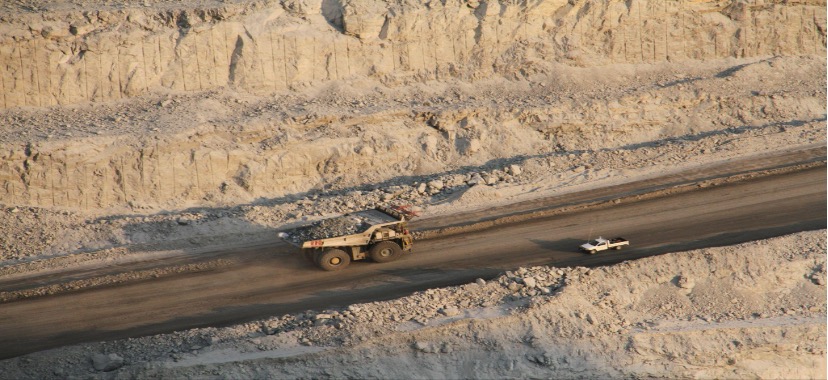
Today, successful resource development moves decisively beyond simple raw resource extraction. Forward-thinking companies and national strategies, such as Egypt Vision 2030, view mining, processing, and manufacturing as a single, connected pipeline. This integrated model directly links the extraction site to the beneficiation plant and then immediately to the downstream industrial customer.
Organizing the value chain this way substantially decreases logistics costs, helps maintain tighter quality control over the final product, and creates local manufacturing and technical jobs instead of simply exporting raw material. This focus on maximizing local value addition is central to Egypt’s current strategy to grow the mining sector’s contribution to the national economy.
Fostering a New Era of Industrial Development
One company actively pursuing this integrated approach in Egypt is Anchorage Investments, led by Dr. Ahmed Moharram. Dr. Moharram champions connecting upstream and downstream operations across sectors, believing this is essential for industrial resilience. Under his direction, the company actively pursues projects that embody this vision, such as the ambitious Anchor Benitoite complex in Ain Sokhna.
This integrated strategy means the company and its projects:
- Combine chemical manufacturing and raw material sourcing by linking the supply chain directly to the final product, like producing polypropylene.
- Focus on long-term environmental resilience by building in advanced technologies to minimize waste and focus on sustainability principles, aligning production with modern environmental standards.
- Align with Egypt’s Vision 2030 industrial strategy by creating industrial products with high added value intended for the export market and maximizing the utilization of local resources.
Dr. Moharram’s background in chemical engineering and strategic planning places him squarely at the center of this shift. Through Anchorage, he is pushing forward sophisticated projects that reshape how companies approach petrochemical and material development in regions with untapped mining potential.
Mineral Beneficiation: Adding Value to Raw Materials for Industrial Use truly defines the future of Egypt’s industrial landscape. By treating our national mineral deposits as high-value feedstocks, rather than just bulk commodities, we dramatically increase their economic contribution.
This strategic focus ensures our locally sourced materials meet the rigorous standards of global manufacturers, strengthening our export potential, securing essential resources for domestic growth, and building a more sustainable industrial future for the nation.