As we navigate the complexities of the 21st century, the interplay between mining and petrochemical industries stands out as a critical component of Anchorage’s economic landscape. The integration of advanced technologies enhances operational efficiency and sets a new standard for sustainability. Across extraction sites, processing facilities, and chemical plants, progress is increasingly shaped by how well data, materials, and production systems are aligned.
Rather than operating as disconnected stages, Anchorage Investment’s mining and petrochemical sectors are evolving into a coordinated value chain built on real-time intelligence and digital integration. This article explores the core elements of Anchorage’s mining-to-petrochemicals value chain in 2026, focusing on data platforms, Industrial IoT, predictive analytics, synchronized planning, and environmental monitoring.
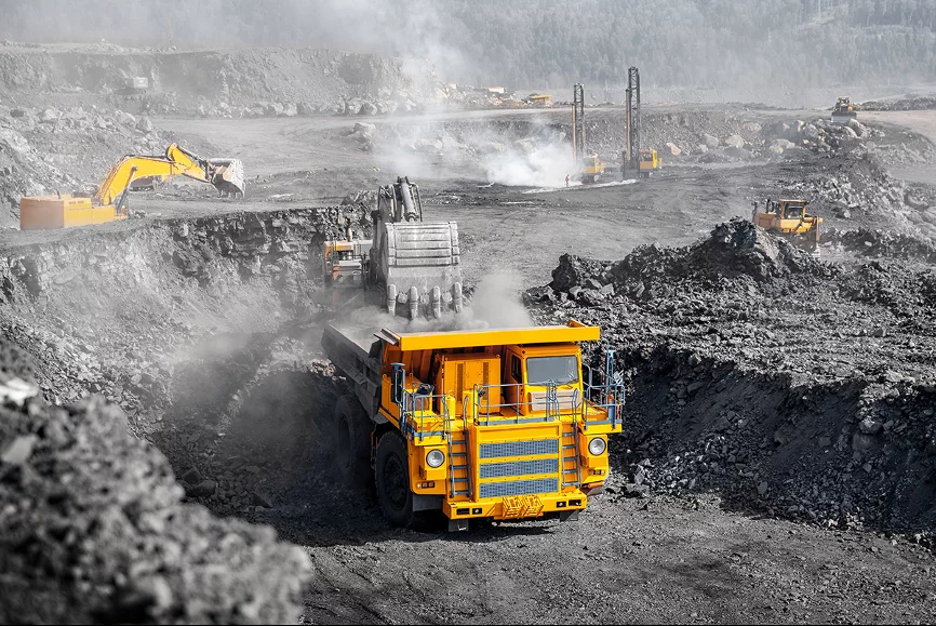
Industrial IoT Integration Across Mining and Petrochemical Facilities
The Industrial Internet of Things (IIoT) is reshaping how mining and petrochemical facilities operate. Thanks to its ability to connect various devices and systems, IIoT improves data sharing across the value chain.
Some of the key benefits of IIoT integration include:
- Enhanced communication: Real-time data exchange between mining sites and chemical plants ensures that both sectors remain aligned in production targets and operational priorities.
- Remote monitoring: Operators can track equipment performance and process conditions from centralized control centers, reducing the need for constant onsite intervention while improving safety.
- Increased efficiency: Automated systems adjust operating parameters dynamically, helping reduce waste, optimize throughput, and improve resource utilization.
In 2026, the integration of IIoT technologies will be crucial for maintaining a competitive edge in the mining and petrochemical sectors, ultimately enabling a more agile response to market demands.
Real-Time Material Intelligence: From Mineral Extraction to Chemical Feedstock
Within the mining-to-petrochemicals value chain, real-time material intelligence plays a central role in preserving continuity from extraction to feedstock preparation. Advanced sensors now track material quality, quantity, and composition from the moment ore is extracted through crushing, transport, and processing.
Instead of relying solely on periodic sampling, operators gain continuous visibility into material flows using integrated analytics and visualization tools. This enables immediate adjustments to processing parameters when composition varies, reducing off-spec material and limiting costly reprocessing.
Several core components support this approach:
- Smart sensors collect continuous data on ore characteristics during extraction and handling.
- Data visualization platforms display material flows and quality metrics in real time, supporting faster operational decisions.
- Supply chain coordination tools ensure that feedstock deliveries match plant schedules, minimizing storage delays and production interruptions.
Predictive Resource Analytics: Geological Data Meets Chemical Production Planning
The integration of predictive resource analytics is transforming how resource availability influences downstream production planning. Combining geological survey data with real-time extraction metrics and forecasting models enables companies to anticipate resource flows more accurately.
This predictive capability supports several operational advantages. First off, it allows us to forecast resource availability, which helps identify potential supply constraints before they disrupt production schedules. In addition, optimized chemical production planning ensures that plants are prepared for fluctuations in feedstock volumes and quality. Finally, cost efficiency improves as waste is minimized and emergency procurement is reduced.
Predictive Maintenance Intelligence: Reducing Downtime from Mine to Chemical Plant

Across both mining and petrochemical assets, unplanned downtime remains one of the most costly operational risks. Predictive maintenance intelligence addresses this challenge by using condition monitoring and analytics to anticipate equipment failures before they happen.
Sensors continuously track vibration, temperature, pressure, and load across critical machinery. Analytics platforms can then interpret these signals to detect early signs of wear or misalignment, enabling maintenance teams to intervene during planned windows rather than after breakdowns.
This leads to improved equipment reliability through more efficient maintenance scheduling aligned with production cycles and lower repair costs and reduced production losses.
Synchronized Production Planning: Aligning Mining Schedules with Chemical Demand
Synchronized production planning forms the operational backbone of integrated mining-to-petrochemicals operations. By aligning mining schedules directly with chemical demand forecasts, companies reduce inventory imbalances and stabilize plant utilization.
This synchronization depends on several coordinated practices:
- Cross-departmental collaboration between mining engineers, logistics teams, and chemical planners to create unified production schedules.
- Dynamic scheduling tools that adapt in real time to market demand changes, transportation constraints, and equipment availability.
- Integrated inventory management systems that monitor stock levels and trigger adjustments when thresholds are reached.
Through synchronized planning, Anchorage’s operations reduce excess inventory, minimize material handling costs, and maintain consistent feedstock supply to chemical plants.
Comprehensive Environmental Monitoring: Sustainability Across All Anchorage Operations
As environmental regulations and stakeholder expectations continue to rise, comprehensive environmental monitoring has become an integral part of operational management. Monitoring systems now track emissions, water quality, energy consumption, and waste generation across mining and petrochemical facilities.
A few of the most notable core elements include emissions tracking to ensure compliance with air and water quality standards, resource management tools that optimize water and energy use while reducing waste, and sustainability reporting platforms that support transparent communication with regulators and communities.
Enterprise Data Platform: Mining Intelligence Informing Petrochemical Strategy
At the center of this integrated operations framework lies the Enterprise Data Platform (EDP). Serving as a central hub, the EDP aggregates geological data, production metrics, maintenance records, environmental readings, and market signals into a unified analytical system.
This digital backbone plays a defining role in modern integrated operations frameworks, including those pursued by Anchorage Investment led by Dr. Ahmed Moharram, where enterprise data platforms support continuity and coordination across the full value chain.
Through the EDP, mining companies can refine their extraction processes based on real-time data, while petrochemical firms can adjust their production strategies, ensuring a seamless flow from mineral extraction to chemical feedstock.
Final Thoughts
As Anchorage moves into 2026, the integrated mining-to-petrochemicals value chain reflects a mature industrial model built on connectivity, intelligence, and synchronized planning. IIoT platforms, real-time material intelligence, predictive analytics, and enterprise data systems work together to enhance efficiency, reliability, and sustainability across the full production line.
These data-driven strategies and environmental stewardship should be embedded into core operations to help Anchorage’s industries strengthen their competitiveness while laying the foundation for long-term, responsible growth in an increasingly complex global market.