The Middle East and North Africa (MENA) region is rapidly positioning green hydrogen as a central pillar of industrial decarbonization and long-term energy competitiveness. Supported by abundant solar radiation, strong wind resources, and national climate commitments, governments are advancing large-scale electrolysis projects powered by renewables to produce zero-carbon hydrogen for domestic industry, transport, and export markets.
Because of that, investments are increasingly focused on giga-scale production hubs, integrated infrastructure, and export-oriented supply chains. With more than $150 billion in planned projects, the region is aligning renewable energy deployment with petrochemical transformation, seeking to become a leading global supplier of low-carbon energy carriers and green chemical derivatives.
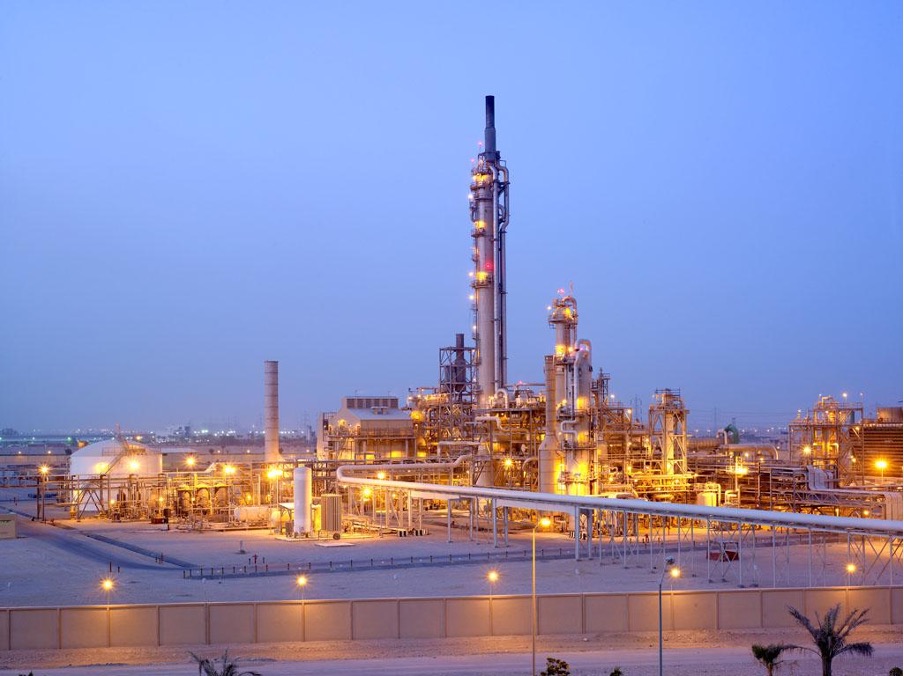
Green Hydrogen as Ammonia Feedstock
Ammonia production represents one of the most immediate applications for green hydrogen integration. By replacing fossil-derived hydrogen with renewable-based electrolysis, producers can significantly reduce the carbon intensity of fertilizers and industrial chemicals. Large-scale deployment of electrolyzers, combined with solar and wind generation, enables direct substitution within existing ammonia synthesis infrastructure.
In response to this direction, regional strategies are now centered on expanding capacity, building integrated logistics networks, and harmonizing policy frameworks to strengthen competitiveness in global green ammonia markets. As countries pursue export leadership while accelerating industrial decarbonization, ammonia feedstock substitution remains a foundational pathway.
Electrolysis Technology Selection Criteria
Cost optimization remains central to project development, with investors prioritizing reductions in the Levelized Cost of Hydrogen (LCOH). Accordingly, technology selection balances capital expenditure, operational efficiency, durability, and compatibility with intermittent renewable energy.
Alkaline electrolyzers remain the preferred option for large, steady-state facilities due to maturity and cost advantages. In contrast, Proton Exchange Membrane (PEM) systems offer rapid response and operational flexibility, making them better suited to variable solar and wind generation. Water availability further influences site selection, particularly in coastal hubs such as Egypt and Oman, where integration with desalination systems becomes essential for sustained large-scale deployment.
Renewable Energy Powered Manufacturing
Across Egypt, Saudi Arabia, the UAE, and Oman, giga-scale electrolyzer installations are being deployed to produce green ammonia for export to Europe and Asia. At the same time, domestic industrial sectors, including steel, fertilizers, and petrochemicals, are incorporating renewable hydrogen to lower emissions intensity. This strategic shift is evident in large-scale projects in the Suez Canal Economic Zone and NEOM, which demonstrate the scale of the regional ambition in this sector.
In addition, falling electrolyzer costs, combined with desalination to address water scarcity, are improving economic viability. Yet, beyond export revenues, renewable-powered manufacturing is expected to accelerate economic diversification and generate high-skilled employment opportunities throughout the region.
Hydrogen-Based Methanol Production
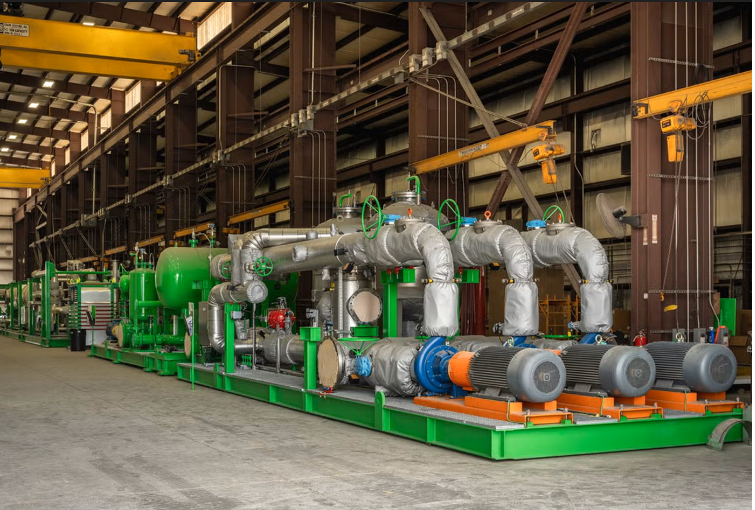
A parallel opportunity is emerging in hydrogen-based methanol production. By combining renewable hydrogen with captured carbon dioxide, producers can supply low-carbon marine fuels and sustainable chemical feedstocks to global markets.
Supported by competitive renewable energy costs and proximity to major shipping routes, MENA is positioning itself as a viable supplier within the growing green methanol economy. Strategic hubs such as Egypt’s Suez Canal Economic Zone and Saudi Arabia’s NEOM are anchoring large-scale e-methanol projects, while Oman and Morocco expand export-oriented capacity.
Integration with Existing Infrastructure
The region’s existing oil and gas infrastructure provides a strategic advantage in scaling green hydrogen. Countries are assessing the repurposing of natural gas pipelines, evaluating depleted reservoirs for storage, and co-locating electrolysis plants with renewable energy and desalination assets.
Coastal hubs such as the Suez Canal Economic Zone and NEOM are evolving into export gateways for green ammonia and related products, leveraging established port and logistics networks. Although technical challenges, such as pipeline retrofitting and hydrogen storage constraints, remain, integration with existing systems is expected to lower overall development costs and accelerate MENA’s emergence as a major supplier to Europe by 2030.
Government Incentives in MENA
Policy frameworks are playing a decisive role in accelerating green hydrogen investment. Egypt offers tax deductions ranging from 33–55% on income, along with VAT and customs exemptions on imported equipment and a zero-VAT rate on exports. The “Golden License” system further streamlines approvals, land allocation, and operational procedures under a single permit.
Additional incentives may include discounted land, shared utility infrastructure, and workforce training programs. Backed by international financial institutions such as the EBRD, these measures aim to attract export-oriented projects concentrated in strategic economic zones.
Green Chemical Export Opportunities
Green ammonia currently represents the primary export vehicle within MENA’s hydrogen economy. Similarly, opportunities are expanding in green methanol, sustainable aviation fuels, and hydrogen-based direct reduced iron for low-carbon steel production.
Europeو driven by carbon border adjustment policies, and key Asian markets are central demand drivers. Supported by sovereign investment capacity and some of the world’s lowest renewable energy costs, the region is seeking to transition from traditional fossil exports toward competitive, large-scale green chemical supply chains.
Within this evolving framework, Anchorage Investment led by Dr. Ahmed Moharram, approaches green hydrogen integration as a value-chain transformation opportunity, linking renewable power, industrial infrastructure, and export-oriented green chemical production to strengthen long-term resilience across MENA.
Renewable Energy Partnerships
Cross-border collaborations and private-sector alliances are accelerating project deployment. International associations are participating in developments within Egypt’s Suez Canal Economic Zone and Oman’s hydrogen auction blocks to harness renewable resources for green ammonia exports.
Saudi Arabia and Morocco are also advancing joint ventures focused on electrolyzer localization and renewable capacity expansion. Through coordinated agreements and shared investment frameworks, these partnerships aim to build integrated supply chains and secure MENA’s role at the forefront of the global energy transition by 2030 and beyond.
Final Thoughts
Green hydrogen integration is reshaping the MENA petrochemical sector by linking renewable energy development with ammonia, methanol, and green chemical production. Backed by more than $150 billion in planned investments, the region is leveraging infrastructure, policy incentives, and renewable resources to strengthen export competitiveness and industrial decarbonization.
As electrolysis technologies mature and supply chains scale, green hydrogen is poised to become a central driver of long-term economic diversification and sustainable petrochemical growth across MENA.