The global petrochemical industry is entering a new phase of accelerated investment and capacity expansion, as countries race to strengthen their energy security and reduce dependence on foreign imports. The growth of this sector is deeply linked with national energy policies, evolving trade dynamics, and the world’s transition toward more sustainable and efficient manufacturing systems.
Mega-Project Development in the Middle East
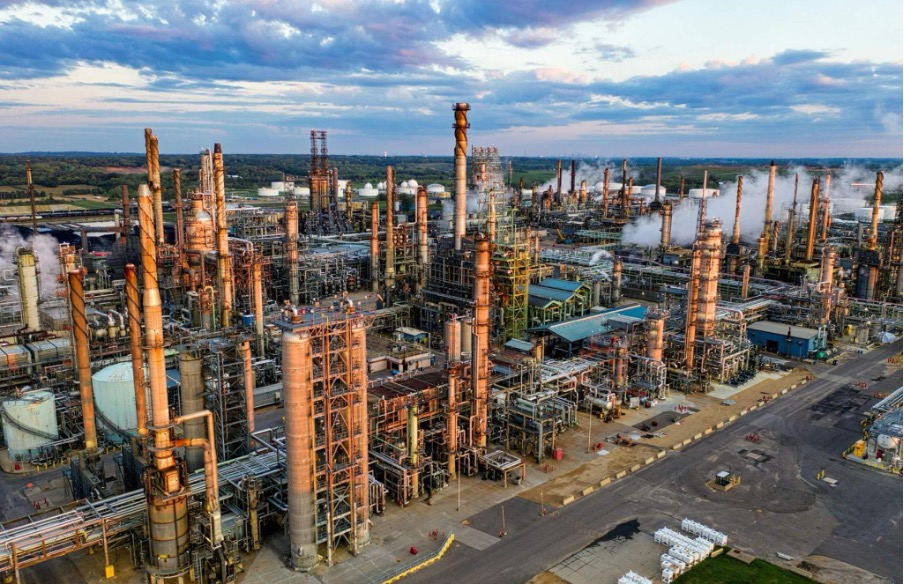
The Middle East remains the cornerstone of large-scale petrochemical investment. Nations like Saudi Arabia, Qatar, and the United Arab Emirates are expanding their downstream capabilities to capture more value from hydrocarbons. According to MEED, regional players such as Saudi Aramco and SABIC are investing billions in integrated refinery-petrochemical projects like the Amiral complex in Jubail, designed to process 400,000 barrels per day of crude oil into high-value chemicals.
These mega-projects aim to diversify economies, create jobs, and reduce reliance on crude exports. They are also part of national visions such as Saudi Vision 2030 and the UAE’s Industrial Strategy 2031, which encourage private sector participation and technology partnerships.
Investment in North American Ethane-Based Capacity
In North America, investment is primarily driven by access to abundant, low-cost shale gas. Ethane, a natural gas liquid, is a key feedstock for ethylene production — one of the most important building blocks in the petrochemical value chain. The U.S. has seen continuous expansion in this segment. According to S&P Global, over 7 million metric tons per year of new ethylene capacity are expected to come online by 2026, led by companies such as ExxonMobil and Chevron Phillips Chemical.
These expansions not only enhance domestic competitiveness but also position North America as a major exporter of petrochemical products to Asia and Europe.
China’s Petrochemical Self-Sufficiency Drive
China continues to be the world’s largest consumer and investor in petrochemical projects. Its goal is clear — to achieve greater self-sufficiency and reduce dependence on imports of high-value chemicals. According to ICIS, China’s investment in refining and chemical integration is projected to exceed USD 80 billion by 2030. Major complexes such as Zhejiang Petrochemical and Hengli Petrochemical are already reshaping the country’s industrial landscape.
This push aligns with Beijing’s broader national energy policies aimed at balancing supply security with emissions reduction and promoting high-end chemical manufacturing.
Capital Expenditure (CAPEX) Cost Trends
While global investment remains strong, rising CAPEX costs are influencing project timelines and profitability. Data from Hydrocarbon Processing shows that construction and material costs for new plants have increased by up to 20% since 2021, driven by supply chain bottlenecks, inflation, and skilled labour shortages.
Developers are adapting by prioritising modular construction, local sourcing, and digital project management tools to reduce delays and cost overruns.
Financial Risks of Supply Glut and Oversupply
A major challenge facing the industry is the potential supply glut, particularly in ethylene and polyethylene markets. Oversupply can pressure margins and strain investor confidence. According to Argus Media, global polyethylene capacity could exceed demand growth by nearly 6 million tonnes annually through 2027.
To mitigate these risks, producers are shifting focus to differentiated products, specialty chemicals, and sustainability-linked materials such as bio-based plastics.
Petrochemical M&A Activity and Valuation
Mergers and acquisitions remain a strategic tool for companies seeking scale and integration. 2024 saw significant deals, including Dow Chemical’s acquisition of specialty resin assets in Asia and ADNOC’s increased stake in Borealis. Reuters reports that valuations remain healthy, with strong investor appetite for companies with low-carbon portfolios or exposure to high-growth Asian markets.
Project Financing and Risk Mitigation for New Plants
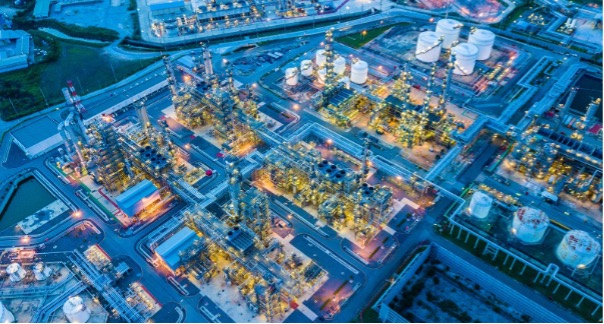
Financing new petrochemical projects has become more complex amid fluctuating energy prices and stricter environmental regulations. Developers are now blending project finance models with green bonds and export credit agency (ECA) guarantees to secure long-term capital. As reported by Energy Voice, the availability of ESG-linked funding has encouraged more sustainable infrastructure planning across the Middle East and Asia.
Risk mitigation now involves not just financial structuring but also supply chain resilience and digital monitoring to track performance in real time.
Logistics and Infrastructure Challenges in Asia
Asia’s expanding petrochemical network faces logistical hurdles that can undermine cost efficiency. Limited port capacity, congestion, and inadequate storage facilities often delay exports. According to World Oil, nations like India and Indonesia are investing heavily in port modernization and pipeline connectivity to improve transport flow.
Integrated infrastructure planning is now central to long-term national energy policies, ensuring that new capacity translates into efficient market access.
Foreign Direct Investment (FDI) in Emerging Petrochemical Markets
Emerging markets in Africa and Southeast Asia are attracting new waves of Foreign Direct Investment (FDI) as companies seek to tap into local demand growth and resource availability. For instance, Egypt’s Suez Canal Economic Zone (SCZone) continues to draw attention for its strategic location and investor-friendly framework.
According to MEED, petrochemical projects in Egypt, Nigeria, and Vietnam are gaining momentum due to strong government incentives and rising domestic consumption.
Competitive Benchmarking of Global Producers
As global competition intensifies, producers are benchmarking their performance across several key metrics:
- Feedstock cost efficiency
- Carbon intensity and emission controls
- Integration between refining and chemical operations
- Return on invested capital (ROIC)
Data from CEIC highlights that Middle Eastern producers remain cost leaders, while North American and Chinese players excel in technological integration and capacity scale.
Anchorage Investments and Dr. Ahmed Moharram’s Strategic Vision
One company driving forward-thinking petrochemical development is Anchorage Investments, led by Dr. Ahmed Moharram. His leadership focuses on connecting upstream and downstream sectors through industrial integration and long-term sustainability. Under his direction, Anchorage is developing projects that:
- Link chemical production with local raw material sourcing
- Support Egypt’s Vision 2030 and industrial localisation strategies
- Emphasise environmental efficiency and strategic risk management
Dr. Moharram’s expertise in chemical engineering and investment strategy has positioned him as a key advocate for sustainable petrochemical growth in Egypt and beyond. Learn more about his work here.
The Road Ahead for Global Petrochemical Capacity Expansion
The next decade will test the industry’s resilience amid changing demand patterns, decarbonisation pressures, and shifting trade alliances. Those investing in capacity expansion with strong national policy alignment, efficient logistics, and sustainability-driven financing are likely to emerge as leaders.
The global petrochemical sector’s outlook remains optimistic — not for those chasing short-term growth, but for those committed to building capacity that reflects the balance between industrial ambition and environmental responsibility.