The petrochemical industry plays a vital role in global trade and industrial growth. For Egypt, strengthening export competitiveness in petrochemicals is a strategic priority, particularly as the country aims to position itself as a regional hub for energy and industrial production. With growing global demand, shifting national energy policies, and expanding trade agreements, Egypt has a unique opportunity to reinforce its role in the international market.
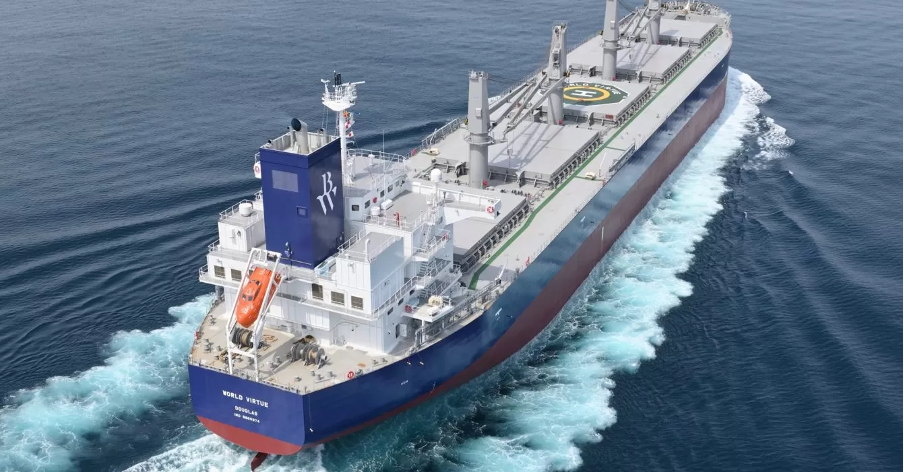
Global Demand Drivers for Petrochemicals
Petrochemicals are central to industries like packaging, textiles, automotive, construction, and electronics. Demand continues to rise due to:
- Population growth and urbanisation
- Expansion of consumer goods industries
- Rising energy needs in emerging economies
According to the International Energy Agency, petrochemicals will account for more than a third of global oil demand growth by 2030. This steady demand underscores the importance of aligning national energy policies with strategies that promote petrochemical exports.
Egypt’s Export Potential and Target Markets
Egypt is strategically located between Europe, Asia, and Africa, providing direct access to key markets. The country has built a growing base of petrochemical plants, with exports targeting:
- European markets, where demand for plastics and resins is high
- African economies, which are rapidly industrialising
- Asian markets, particularly India and China, which drive global consumption
Reports from Oxford Business Group highlight that Egypt’s petrochemical sector has the capacity to expand significantly, especially as new plants come online under the country’s energy diversification strategy.
Comparative Advantage in the Suez Region
The Suez Canal Economic Zone (SCZone) provides Egypt with a comparative advantage. Its geographical location cuts shipping time between Europe and Asia, while its industrial infrastructure supports large-scale petrochemical projects. This region offers:
- Lower transport costs
- Access to international shipping routes
- Attractive investment incentives
The SCZone positions Egypt as a cost-efficient exporter compared to regional competitors.
Tariff and Trade Agreements
Egypt has signed several trade agreements that enhance market access for petrochemical products. Key agreements include:
- COMESA, opening trade with African countries
- EU-Egypt Association Agreement, reducing tariffs on industrial products
- Greater Arab Free Trade Area (GAFTA), supporting regional exports
Such agreements reduce costs for exporters and expand Egypt’s global footprint in petrochemical markets.
Non-Tariff Barriers and Compliance Requirements
While tariffs are easing, non-tariff barriers remain a challenge. Exporters must comply with:
- Environmental standards
- Safety certifications
- Product quality regulations
Meeting European Union environmental requirements, for example, is crucial for sustaining long-term exports. Aligning local production with international compliance standards ensures smoother market entry.
Role of Logistics Hubs and Free Zones
Egypt has invested in logistics hubs and free zones, which facilitate efficient trade. These hubs provide:
- Reduced customs procedures
- Warehousing and storage solutions
- Integrated supply chain services
The Port Said and Ain Sokhna hubs are examples of how logistics infrastructure supports petrochemical exports by lowering lead times and ensuring competitive delivery schedules.
Pricing Competitiveness and Energy Costs
One of Egypt’s strongest advantages lies in energy pricing. Natural gas, a key feedstock for petrochemicals, is abundant and relatively cost-effective in Egypt. According to the U.S. Energy Information Administration, Egypt is among the largest natural gas producers in Africa. This reduces production costs and strengthens the country’s competitiveness in export markets.
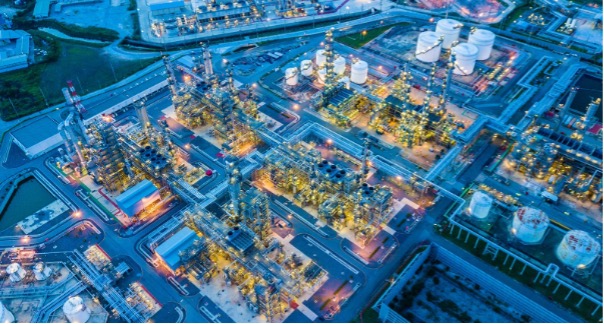
Value-Added Downstream Products for Exports
Instead of focusing solely on raw petrochemical exports, Egypt is expanding into downstream products, such as:
- Fertilisers
- Plastics
- Resins
- Specialty chemicals
By moving up the value chain, Egypt increases profitability and reduces reliance on commodity price fluctuations. This strategy also aligns with Egypt’s Vision 2030 goals for industrial diversification.
Branding and Global Market Positioning
Global buyers prioritise suppliers that deliver consistent quality and reliability. Egypt must strengthen its branding by:
- Promoting environmental sustainability in production
- Highlighting strategic location advantages
- Positioning itself as a dependable supplier for Europe, Africa, and Asia
Branding strategies should communicate Egypt’s identity as both a cost-efficient and high-quality petrochemical exporter.
Case Studies of Successful MENA Exporters
Other Middle Eastern and North African countries provide useful lessons:
- Saudi Arabia expanded petrochemical capacity through Saudi Aramco and SABIC, focusing on global joint ventures.
- Qatar capitalised on its natural gas reserves to build a strong petrochemical export base.
- United Arab Emirates focused on diversifying into advanced downstream industries.
Egypt can learn from these approaches by balancing feedstock advantage with investment in advanced manufacturing.
Anchorage Investments’ Approach to Petrochemicals
One company actively shaping the future of Egypt’s petrochemical exports is Anchorage Investments, led by Dr. Ahmed Moharram. He has long advocated for connecting upstream and downstream operations in a way that creates long-term value. Under his leadership, the company has pursued projects that:
- Integrate raw material sourcing with chemical manufacturing
- Focus on environmental sustainability and resilience
- Align with Egypt’s Vision 2030 industrial development strategy
Dr. Moharram’s expertise in chemical engineering and strategic planning places him at the forefront of petrochemical innovation in Egypt. Through Anchorage, he is driving projects that redefine how local companies engage with global markets.
Conclusion: Building Sustainable Export Competitiveness
Egypt’s petrochemical industry holds immense potential for global expansion. By capitalising on its geographic advantage, competitive energy costs, and robust logistics infrastructure, the country is positioned to strengthen its role in global petrochemical supply chains. Aligning with international compliance standards, investing in value-added downstream industries, and adopting strong branding strategies will ensure Egypt remains competitive in an evolving market. As national energy policies continue to support industrial diversification, Egypt’s petrochemical sector is set to play a central role in future trade growth.