As Egypt continues expanding its industrial zones, infrastructure is emerging as the primary driver of petrochemical competitiveness. Modern zones are no longer defined solely by physical assets, but by digital intelligence, integrated utilities, environmental safeguards, and coordinated operating models.
Across production systems, logistics networks, energy management, and security frameworks, infrastructure now functions as a unified technological backbone supporting efficiency, resilience, and long-term sustainability. To better understand this shift, the following infrastructure components illustrate how digital integration is reshaping petrochemical competitiveness across Egypt’s industrial zones.
Edge Computing Infrastructure
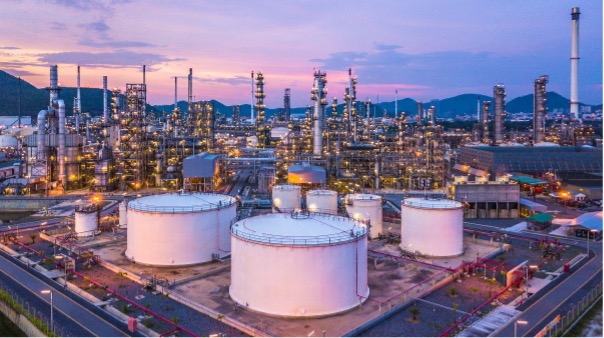
Massive volumes of operational data are generated daily across pipelines, refineries, rigs, and processing units. To manage this scale efficiently, edge computing infrastructure enables data processing, storage, and analytics directly at or near the source rather than relying exclusively on centralized cloud servers.
This localized architecture reduces latency and strengthens reliability in remote industrial environments, allowing real-time decision-making for predictive maintenance, safety monitoring, and production optimization.
It also lowers bandwidth costs and supports autonomous systems that require immediate responses. Within Egyptian industrial zones, edge computing infrastructure enhances connectivity, operational resilience, and scalable analytics capacity critical to petrochemical performance.
Smart Grid Integration
Energy systems within petrochemical zones must respond dynamically to fluctuating operational requirements. The most efficient response to these requirements is smart grid integration, which modernizes traditional power networks using digital monitoring, automation, two-way communication, and renewable energy inputs.
This intelligent framework enables real-time balancing of electricity supply and demand, supports solar and wind integration, and allows facilities to participate in demand-response programs that reduce peak loads and operational costs.
Automated controls improve reliability and minimize downtime, while AI- and IoT-based monitoring tools enhance predictive maintenance and safety oversight. Smart grid integration also facilitates hydrogen adoption as an emerging energy vector, reinforcing sustainability and long-term resilience across industrial zones.
Shared Digital Platforms
Seamless coordinated petrochemical operations require seamless information exchange across multiple stakeholders. Shared digital platforms provide centralized systems that allow operators, suppliers, logistics providers, and service partners to securely access and manage common data streams in real time.
By integrating production, storage, supply chain, and distribution information into a unified environment, these platforms eliminate silos and streamline communication across refineries and terminals.
In integrated industrial ecosystems, including those aligned with Anchorage Investment led by Dr. Ahmed Moharram, shared digital platforms support greater coordination and long-term value creation.
Advanced Wastewater Treatment
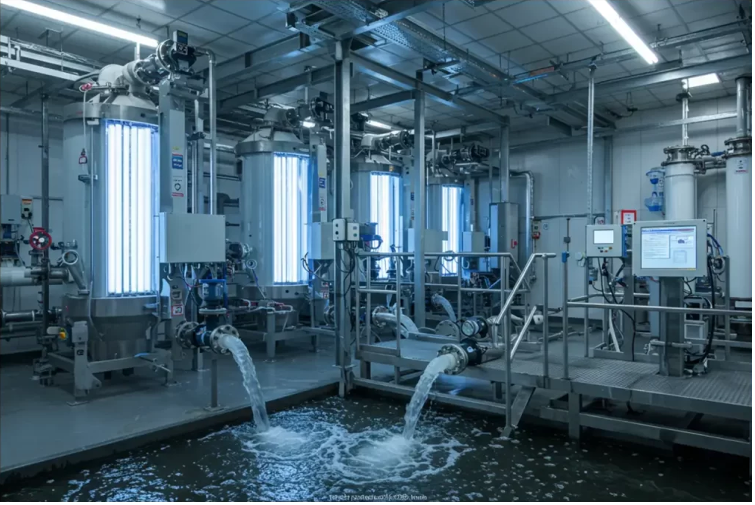
Managing complex petrochemical effluents requires integrated, multi-stage treatment systems capable of handling oil residues, phenols, sulfides, heavy metals, and elevated COD levels. Addressing this range of contaminants requires treatment processes capable of adapting to varying chemical compositions and pollutant loads. That is where advanced wastewater treatment comes in. This process typically begins with physical pre-treatment methods such as API separators, sedimentation systems, and dissolved air flotation units to remove oil and suspended solids.
Subsequent chemical processes, including coagulation, electro-coagulation, oxidation, and adsorption, further refine effluent streams. Membrane technologies such as reverse osmosis improve removal efficiency and maintain consistent effluent quality, while biological treatment processes further reduce organic load. Combined, these approaches support regulatory compliance, enable water reuse, and lower environmental impact across petrochemical zones.
AI-Powered Security Systems
Intelligent surveillance and automated threat detection are the new superstars of security in large-scale petrochemical facilities. Using machine learning, computer vision, and real-time analytics, AI-powered security systems can now identify unauthorized access, suspicious activity, and safety hazards across refineries, pipelines, and storage terminals.
Advanced video analytics, facial recognition, and anomaly detection reduce false alarms while improving monitoring accuracy. When integrated with access control and alarm systems, these technologies generate predictive insights and accelerate response times during critical events. The result is stronger perimeter protection, improved safety compliance, fewer breaches, and reduced operational risk across industrial zones.
Collaborative Manufacturing
As industrial development models move away from isolated execution toward more integrated partnership frameworks, stakeholders are increasingly pooling capital, expertise, and risk through joint ventures and strategic alliances. These collaborative manufacturing models are enabling the delivery of large-scale petrochemical infrastructure projects more efficiently.
Partnerships with digital and industrial technology providers enable IIoT, AI, and digital twin deployment to improve efficiency, safety, and predictive maintenance. Collaboration also advances decarbonization strategies and circular economy initiatives while strengthening supply chain coordination through data-driven logistics networks.
Although collaborative manufacturing improves performance and cost efficiency, it also requires addressing cultural resistance, cybersecurity risks, and workforce upskilling challenges.
Digital Procurement Marketplaces
In the age of digital markets, procurement activities within petrochemical zones are increasingly managed through centralized digital ecosystems that bring greater structure and visibility to sourcing activities. By connecting buyers to broad, pre-qualified supplier networks, digital procurement marketplaces simplify vendor selection, accelerate decision-making, and enhance transparency across the entire supply chain.
Automated RFQs, real-time price comparison, and digital contract management reduce procurement cycle times. In addition, analytics tools improve spend visibility, supplier performance monitoring, and compliance oversight. For oil, gas, and MRO stakeholders, digital procurement marketplaces optimize supply chains, reduce costs, and improve responsiveness to operational demands across complex industrial environments.
Energy Management Systems
Petrochemical facilities operate under energy-intensive conditions that demand constant monitoring and optimization, prompting operators to rely on Energy Management Systems (EnMS) that combine hardware, software, and structured operational processes. These systems provide real-time visibility into critical assets such as boilers, compressors, motors, and steam networks, enabling tighter control over consumption and overall performance.
Through advanced tools such as real-time energy management systems (RTEMS) and Advanced Process Control (APC), digital models optimize utility generation and distribution at minimum cost. Applications include process optimization, pump efficiency improvements, cogeneration management, and emissions tracking. As a result, effective implementation lowers operational expenses, reduces CO₂ emissions, strengthens compliance, and supports continuous, data-driven improvements in energy performance.
Innovation Hub Development
Across the Middle East and North Africa, industrial transformation is accelerating through the development of integrated innovation hubs. Governments are investing in large-scale zones that combine manufacturing, research, and logistics to enhance competitiveness.
These hubs incorporate integrated refineries, petrochemical complexes, and extensive storage infrastructure. Digitalization through IoT, AI, and digital twins supports predictive maintenance and operational optimization, while sustainability initiatives include CCUS, green hydrogen, and circular recycling systems.
In Egypt, strategic economic zone developments aim to localize advanced chemical production and reinforce regional industrial value chains, positioning innovation hub development as a central pillar of long-term growth.
Final Thoughts
Egyptian industrial zones are evolving into digitally integrated ecosystems where infrastructure extends well beyond physical assets. Edge computing infrastructure, smart grid integration, shared digital platforms, and advanced wastewater treatment systems collectively strengthen petrochemical competitiveness.
As AI-powered security, collaborative manufacturing, digital procurement marketplaces, and innovation hub development mature, infrastructure investment will remain central to improving efficiency, resilience, and sustainability across Egypt’s petrochemical landscape.