The petrochemical industry stands at a critical crossroads. As upstream margins for primary chemicals like ethylene and propylene face volatility, the strategic imperative has shifted toward downstream integration. By moving further along the value chain, from basic monomers to sophisticated polymers and finished products, companies can capture higher margins, insulate themselves from feedstock price swings, and meet the nuanced demands of modern industry.
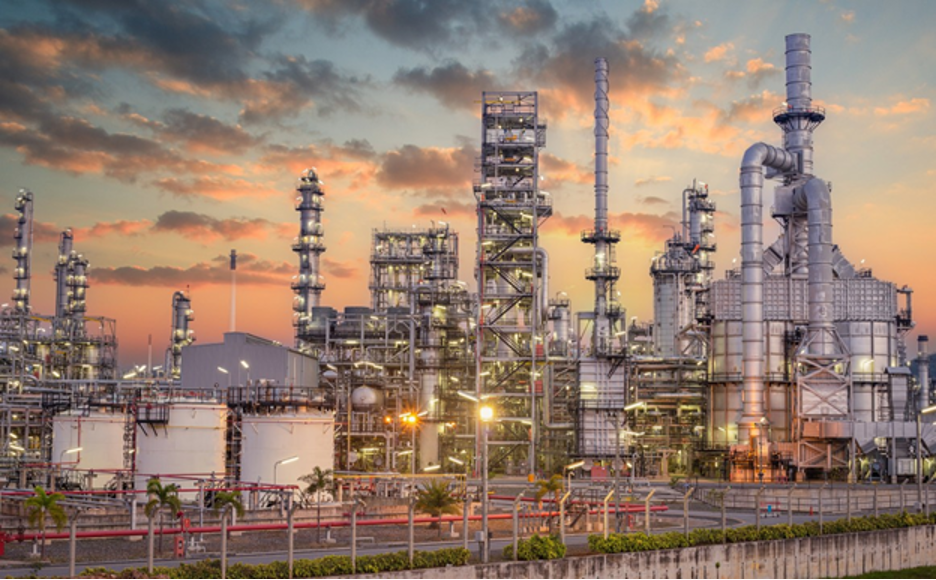
Polypropylene in Automotive Applications
The automotive sector is a primary beneficiary of downstream petrochemical integration. Polypropylene (PP) has evolved from a simple trim material to a sophisticated composite.
- Lightweighting: Replacing metal components with glass-fiber-reinforced PP allows manufacturers to significantly reduce vehicle weight, thereby increasing fuel efficiency or extending EV battery range.
- Impact Resistance: Modern PP grades are used in bumpers and dashboard carriers, engineered to absorb energy during collisions.
- Interior Aesthetics: Advanced textures and “soft-touch” PP derivatives have eliminated the need for expensive paints or coatings in car interiors.
PVC for Construction Materials
Polyvinyl Chloride (PVC) remains the backbone of the global construction industry. Its value lies in its incredible longevity and resistance to environmental degradation.
In a downstream strategy, PVC is optimized for:
- Infrastructure: Rigid PVC pipes provide corrosion-free water management for 50+ years.
- Energy Efficiency: PVC window frames (uPVC) offer superior thermal insulation compared to aluminum, helping buildings meet green energy certifications.
- Flooring and Roofing: Flexible PVC membranes offer waterproof solutions that are easy to install and maintain.
Polyester for Textile Industry
The integration of petrochemicals into the textile world via polyester (polyethylene-terephthalate) has democratized fashion and functional apparel.
The value-add in this segment is currently driven by specialty fibers. No longer just “synthetic fabric,” modern polyester is engineered for:
- Moisture Wicking: For the booming “athleisure” and performance sportswear market.
- Microfibers: Providing soft-touch textures for home furnishings.
- Recyclability: The shift toward rPET (recycled PET) allows brands to offer “closed-loop” textile products, fetching a premium from eco-conscious consumers.
Engineering Plastics Opportunities
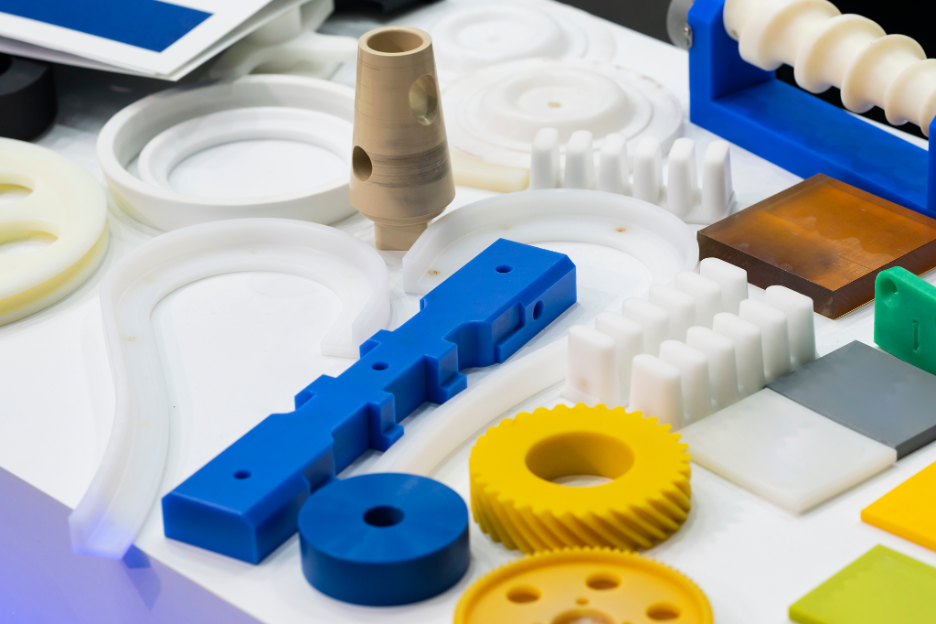
While commodity plastics dominate in volume, engineering plastics provide the highest value per ton. These materials are designed for superior mechanical, thermal, and chemical resistance.
The opportunity lies in metal replacement. Industries are looking for materials that offer the strength of steel or aluminum but at a fraction of the weight. Key growth areas include:
- Polycarbonates (PC): Used in electronics and optical components.
- Polyamides (Nylon): Vital for high-stress mechanical parts.
- Polybutylene Terephthalate (PBT): Critical for electrical insulation.
Elastomers Market Development
Elastomers represent the “rubbery” side of the petrochemical spectrum. Market development here focuses on Thermoplastic Elastomers (TPEs), which combine the processing ease of plastics with the flexibility of rubber.
Developmental focuses include:
- Medical Grade TPEs: Replacing latex and silicone in tubing and seals to avoid allergic reactions and reduce costs.
- High-Performance Tires: Utilizing functionalized Solution Styrene-Butadiene Rubber (s-SBR) to reduce rolling resistance and improve wet grip, directly impacting road safety and carbon footprints.
Coatings and Adhesives Production
Often overlooked in the “plastics” conversation, coatings and adhesives are high-margin downstream derivatives of acrylics, epoxies, and polyurethane.
- Protective Coatings: Essential for preventing corrosion in marine and aerospace environments.
- Specialty Adhesives: Replacing traditional fasteners (screws/bolts) in smartphones and aerospace, allowing for thinner, lighter, and more durable assemblies.
- Water-based Systems: A major shift is occurring from solvent-based to water-based production to comply with Volatile Organic Compound (VOC) regulations.
Plastic Conversion Industries
The journey from a liquid or gaseous feedstock to a tangible consumer product begins with plastics converters. This sector acts as the bridge between raw chemical synthesis and industrial application. Conversion involves various mechanical processes:
- Extrusion: Creating continuous profiles like pipes, sheets, and films.
- Injection Molding: Producing complex, three-dimensional shapes with high precision.
- Blow Molding: Essential for the packaging industry, particularly for bottles and containers.
Maximizing value in conversion requires a focus on energy efficiency and the circular economy. Modern converters are increasingly integrating recycled resins with virgin polymers to meet sustainability mandates without compromising structural integrity.
End-User Market Analysis
To truly maximize value, petrochemical producers must align their output with shifting end-user demographics. The global market is currently defined by three major pillars:
- Sustainability & Regulation: The “War on Plastics” is forcing a pivot toward bioplastics and advanced recycling. Value is now found in “Green Premiums.”
- Urbanization in Emerging Markets: India and Southeast Asia are seeing a surge in demand for construction-grade PVC and packaging-grade PE.
- Technological Miniaturization: As electronics get smaller and more powerful, the demand for high-purity, heat-resistant engineering plastics is expected to outpace general GDP growth.
In addition to multinational players, emerging regional investors are taking a more strategic role in downstream petrochemical infrastructure. For example, Anchorage Investments, led by Dr. Ahmed Moharram, is developing a major integrated petrochemicals complex in the Suez Canal Economic Zone designed to produce polypropylene and other downstream derivatives. This project aims to enhance export‑oriented production, bolster local value chains, and support national industrial diversification, illustrating how private investment can accelerate downstream value capture in key markets like PP.
Final Thoughts
Downstream integration is no longer an optional strategy; it is the primary engine for resilience in a decarbonizing world. By transforming basic molecules into specialized solutions for the automotive, construction, and textile industries, petrochemical entities can move from being commodity price takers to “value-added solution providers.