Digitalization is redefining the petrochemical industry, introducing smarter, safer, and more efficient ways to manage operations. Through the principles of Industry 4.0, which include data integration, automation, and connectivity, producers can now transform traditional plants into intelligent industrial ecosystems.
From digital twins to predictive maintenance, these technologies enable continuous optimization across the entire value chain.
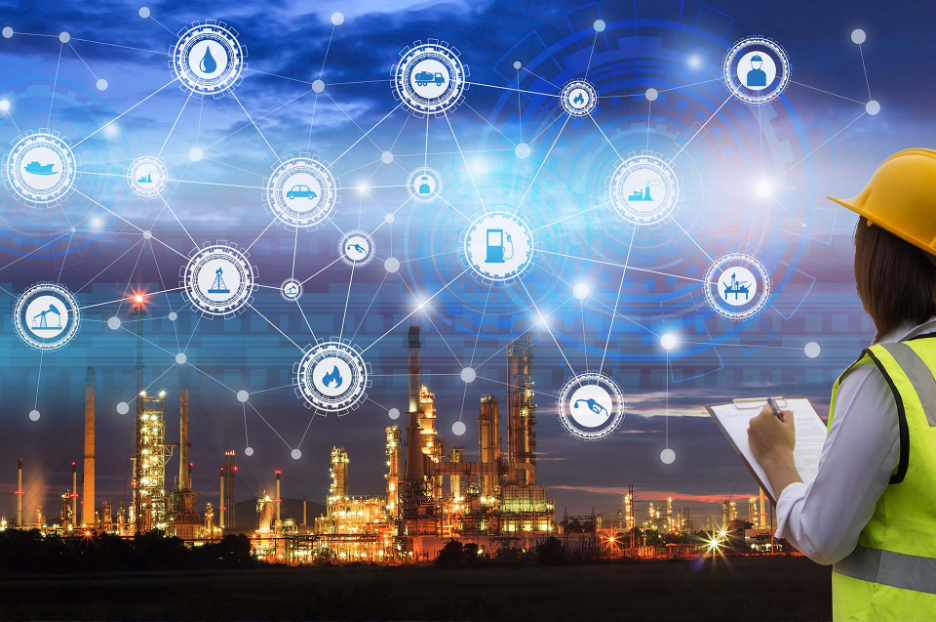
Digital Twin for Process Modeling and Optimization
Digital twins are among the most powerful tools reshaping petrochemical production. They are virtual models that mirror a physical plant or process, allowing engineers to simulate operations in real time. For petrochemical producers, this means being able to test process changes, forecast performance, and prevent costly shutdowns before they happen.
Integrating live data from sensors and control systems allows digital twins to enable predictive modeling that enhances yield, energy efficiency, and safety. As plants become increasingly complex, these tools can help operators visualize interdependencies and streamline workflows, turning data into actionable insight.
Advanced Process Control (APC) and MPC in Steam Crackers
Steam cracking forms the backbone of the petrochemical industry, producing essential building blocks like ethylene and propylene. Advanced Process Control (APC) and Model Predictive Control (MPC) systems ensure that these high-temperature, energy-intensive units operate at peak efficiency.
APC uses real-time analytics to stabilize variables such as temperature and pressure, while MPC leverages mathematical models to predict future behavior and optimize performance. Together, they minimize fluctuations, reduce energy consumption, and improve product consistency, all of which are key drivers in competitive petrochemical markets.
Predictive Maintenance Using IIoT Sensors for Equipment
The Industrial Internet of Things (IIoT) has transformed maintenance from reactive to predictive. By equipping pumps, compressors, and heat exchangers with smart sensors, operators can continuously monitor parameters like vibration, temperature, and flow.
When irregular patterns emerge, algorithms flag potential issues before they escalate into failures. This predictive capability helps prevent unplanned downtime, extend equipment lifespan, and reduce operational costs. For petrochemical plants, where every hour of lost production can cost millions, predictive maintenance powered by IIoT has become indispensable.
Artificial Intelligence (AI) for Polymerization Recipe Optimization
Polymerization processes require precise control of temperature, catalysts, and feedstock composition. Artificial intelligence is now being used to optimize polymer “recipes,” analyzing historical and live production data to fine-tune parameters for better performance and quality.
That is because AI models can predict molecular weight distribution, adjust catalyst ratios, and identify anomalies that affect polymer characteristics. This results in products with improved strength, flexibility, or thermal resistance, all while reducing waste. In competitive polymer markets, AI-driven recipe optimization can directly boost profitability and sustainability.
Cybersecurity for Industrial Control Systems (ICS/OT)
As petrochemical plants become more connected, cybersecurity has emerged as a core operational priority. Industrial Control Systems (ICS) and Operational Technology (OT) networks face increasing exposure to cyber threats that can disrupt production or compromise safety.
Modern cybersecurity strategies combine network segmentation, threat detection, and employee training to protect against breaches. Besides that, continuous monitoring tools now detect anomalies in control systems before damage occurs. This ensures resilience against cyberattacks, which is as critical as maintaining mechanical reliability in the digital era.
Blockchain for Petrochemical Product Traceability
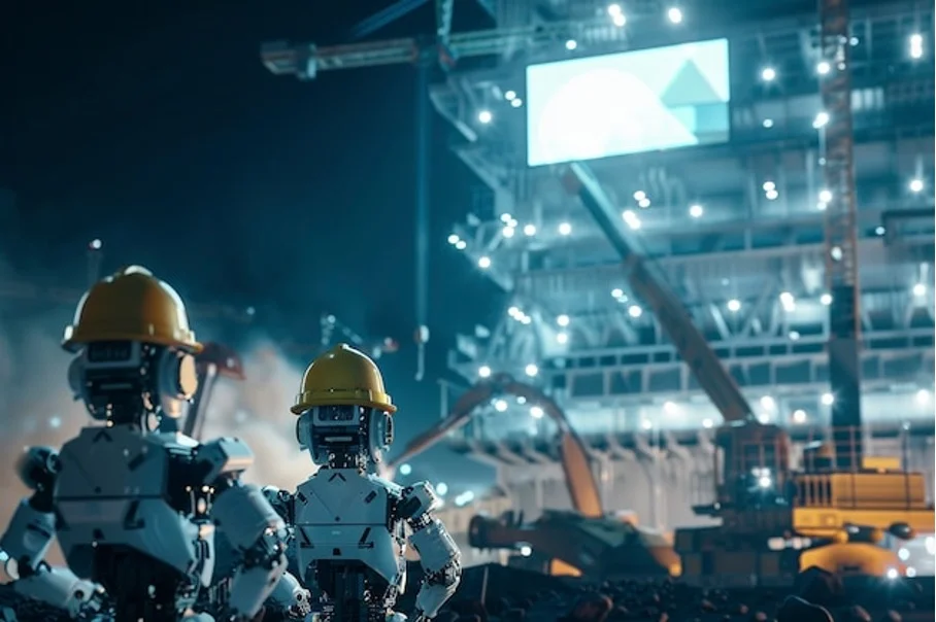
Blockchain technology, known for its role in financial transactions, is finding growing relevance in petrochemical logistics. Through creating secure, transparent records of product movement, blockchain enhances traceability across the supply chain.
Producers, distributors, and customers can verify product origin, quality, and compliance instantly. This transparency builds trust, reduces counterfeiting, and ensures regulatory conformity, especially for specialty chemicals and export-sensitive markets. In the long term, blockchain could redefine how contracts, certifications, and logistics data are shared across the industry.
Virtual Reality (VR) for Emergency Response Training
Safety is non-negotiable in petrochemical operations, and Virtual Reality (VR) has become a revolutionary training tool for emergency preparedness. Using immersive simulations, employees can experience real-life hazard scenarios, such as gas leaks or fires, without any physical risk.
VR training enhances decision-making and response times, ensuring workers are ready for high-pressure situations. It also standardizes safety education across global facilities, reducing incidents caused by human error. This digital approach complements traditional training, building a culture of safety through experience-based learning.
Real-time GHG Emissions Monitoring and Reporting
In petrochemical operations, real-time greenhouse gas (GHG) monitoring has been a cornerstone of both compliance and competitiveness for quite a while. Continuous data from process units, flares, and utilities allow operators to identify inefficiencies that contribute to excess emissions and energy loss.
These systems combine sensor networks, AI analytics, and cloud dashboards to deliver accurate emissions data that support regulatory compliance and sustainability targets. Besides that, automated reporting allows operators to respond swiftly to deviations, cutting emissions intensity and improving transparency for investors and regulators.
Augmented Reality (AR) for Field Maintenance and Troubleshooting
Augmented Reality (AR) takes maintenance efficiency a step further by overlaying digital information on physical equipment. Using AR-enabled tablets or smart glasses, technicians can visualize schematics, maintenance histories, and live data while working on-site.
This reduces the time spent diagnosing issues and minimizes errors in complex repairs. Remote experts can also guide on-site staff in real time, enabling faster, safer interventions. As a result, AR helps reduce downtime and boosts workforce productivity.
Centralized Monitoring and Control of Multiple Plant Sites
Thanks to the digital revolution, centralized control of multiple sites is not only possible but also highly effective. Modern control centers integrate data streams from geographically distributed plants, providing a unified operational view.
Using this system, operators can compare performance metrics, coordinate production schedules, and deploy predictive maintenance across sites. In addition, cloud-based analytics enhances decision-making, ensuring consistent quality and resource allocation. This centralized model also supports faster crisis response and optimizes logistics across regional or global networks.
Anchorage Investments, led by Dr. Ahmed Moharram, exemplifies this forward-looking mindset. The company has championed the integration of advanced digital systems across its industrial projects, demonstrating how technology can align operational excellence with long-term sustainability. Embedding digital innovation into project design has allowed Anchorage to show how private-sector leadership can drive industrial transformation at scale.
Final Thoughts
Industry 4.0 is more than a technological trend; it is a structural shift that is redefining how petrochemical companies operate. Through digital twins, AI, IIoT, and AR, producers are unlocking unprecedented levels of precision and efficiency. Cybersecurity, blockchain, and emissions monitoring also ensure that this transformation remains secure, transparent, and sustainable.
For the petrochemical sector, digitalization is about shaping the future of industrial performance. Companies that embrace this change, as demonstrated by Anchorage Investments, are setting new benchmarks for resilience, competitiveness, and responsible growth.