The Middle East is experiencing a transformation in its petrochemical sector, moving beyond the production of basic chemicals to a focus on high-value derivatives that power industries worldwide. This evolution reflects both growing global demand and the region’s ambition to create a resilient, competitive industrial ecosystem.
It also highlights the growing importance of regional coordination between governments and private investors to optimize resources and drive strategic industrial growth. By exploring how derivatives are developed, applied, and optimized, we can understand the vital role they play in driving industrial growth and economic development.
The Shift from Basic to Specialty Petrochemicals in the Middle East
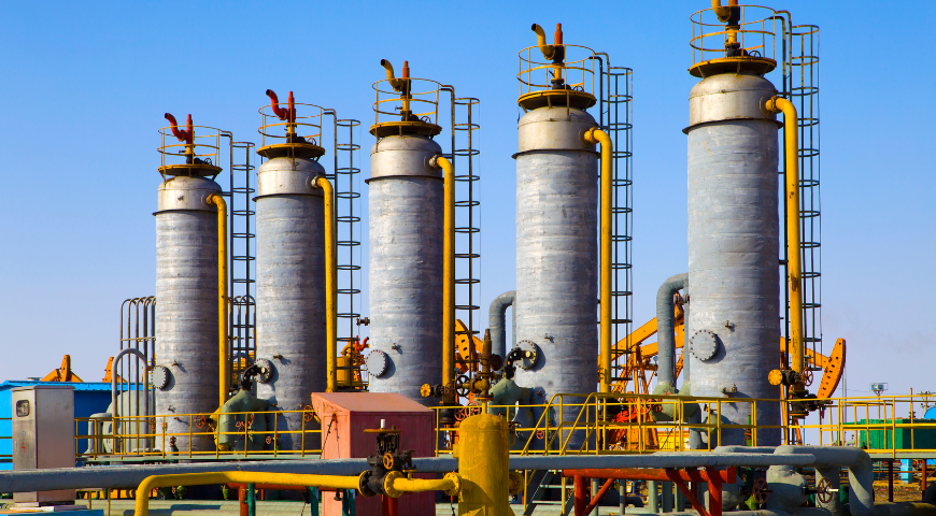
Across the region, petrochemical production is shifting from basic feedstocks like ethylene and propylene toward specialty chemicals that offer higher value and broader industrial applications. This transition reflects a strategic focus on producing tailored solutions rather than generic outputs, enabling Middle Eastern producers to capture more of the global supply chain.
As industries evolve, these specialty derivatives are increasingly critical for sectors ranging from automotive to packaging, giving the region a competitive edge in advanced materials. This shift also creates opportunities for local research institutions and startups to contribute to the development of innovative chemical solutions, further strengthening the ecosystem.
High-Demand Derivatives for the Automotive and Packaging Industries
The automotive and packaging industries are major consumers of advanced petrochemical derivatives. Lightweight polymers, engineered plastics, and durable elastomers improve vehicle performance and sustainability while meeting strict global standards.
In packaging, innovations in biodegradable and high-strength polymers are helping companies meet both consumer expectations and environmental regulations. Prioritizing these high-demand derivatives means Middle Eastern producers are positioning themselves as essential suppliers in industries undergoing rapid innovation.
Filling the Gap: Local Production of Petrochemical Intermediates to Reduce Imports
Historically, many derivatives have been imported due to limited local production. However, establishing robust local manufacturing of intermediates such as polypropylene and specialty resins is helping countries in the region close these gaps.
This reduces reliance on imports, strengthens supply chains, and lowers costs for downstream industries. Local production also enables producers to respond more quickly to market changes and customize products to meet regional requirements. In addition, local manufacturing encourages knowledge transfer and skill development within the workforce, creating a self-sustaining industrial base.
The Economic Impact of a Developed Local Chemicals Market
Developing a strong derivatives sector generates more than just industrial output. It can multiply economic benefits across the region. Every investment in local production stimulates related industries, creates employment opportunities, and increases export revenue.
From logistics and packaging to technical services, a developed petrochemical ecosystem amplifies the impact of each investment, building long-term industrial resilience and supporting broader economic diversification efforts. The resulting growth can strengthen domestic industries and enhance regional competitiveness on the global stage.
Innovations in Polymer Science and New Material Development
Innovation is central to advancing next-generation derivatives. Researchers are exploring new polymer formulations, high-performance materials, and sustainable compounds to meet evolving market demands. These developments improve product performance and boost environmental sustainability, energy efficiency, and recycling potential.
This means integrating research and industrial production will allow the region to continually elevate its position in specialty chemicals and emerging materials.
Targeting End-Use Applications: Construction, Textiles, and Agriculture
Petrochemical derivatives have wide-ranging applications in critical sectors. Durable polymers enhance building materials, while specialty fibers and coatings improve textile performance. In agriculture, controlled-release fertilizers and protective films increase crop efficiency.
Aligning derivative production with these end-use sectors ensures that chemical innovations translate into tangible improvements in industrial productivity, consumer goods quality, and regional economic growth.
How Anchorage is an Initiator of Economic Movement in the Derivatives Sector
Anchorage Investment, led by Dr. Ahmed Moharram, has been instrumental in developing the regional derivatives market. Through strategic projects in Egypt and neighboring countries, the company focuses on high-value polymers and specialty chemicals that address global demand gaps.
Anchorage also combines capital investment, technological know-how, and operational expertise to accelerate market development, creating both economic value and industrial leadership for the region. This approach exemplifies how private sector initiative can drive transformative growth in petrochemical derivatives.
The Critical Role of Quality Control and Product Certification for Export-Grade Derivatives
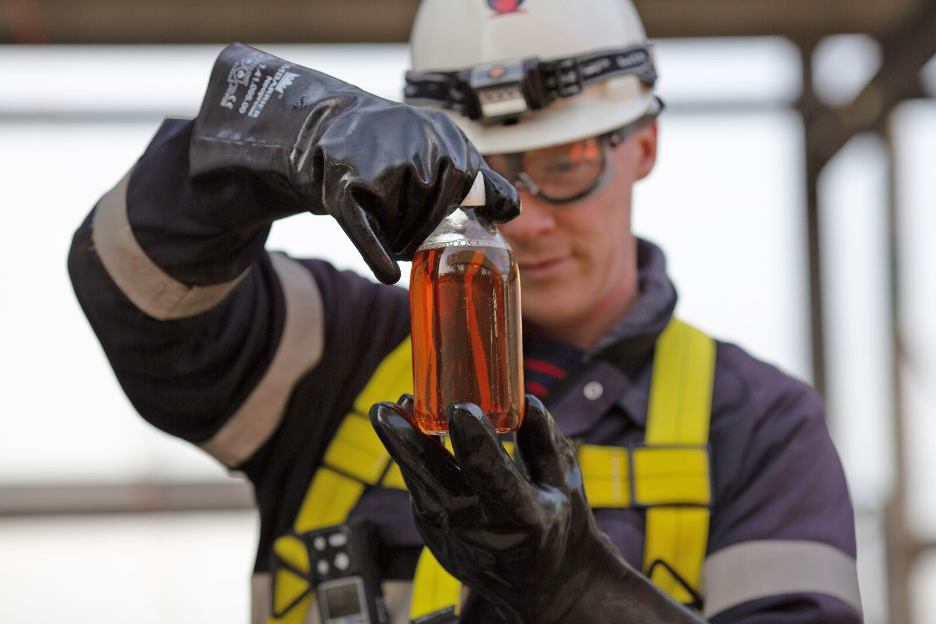
For Middle Eastern derivatives to compete globally, rigorous quality control and certification are essential. International standards such as ISO, REACH, and local environmental regulations ensure that products meet safety, performance, and sustainability benchmarks.
Strict adherence to these standards can guarantee market access and strengthen the credibility of regional producers, helping them secure long-term supply contracts with multinational clients. In that case, quality becomes both a competitive advantage and a foundation for trust in international trade.
The Digitalization of Chemical Manufacturing: Smart Facilities and Optimization
Digital integration is reshaping petrochemical operations. Smart manufacturing systems, real-time process monitoring, and predictive maintenance optimize efficiency, minimize waste, and lower operational costs.
Besides that, data-driven decision-making enhances production reliability and enables adaptive responses to changing market demands. In combination with advanced analytics, these digital capabilities are transforming plants into agile, competitive facilities capable of supporting the next generation of petrochemical derivatives.
Final Thoughts
The Middle East’s push toward next-generation petrochemical derivatives is reshaping industrial growth, economic opportunity, and global competitiveness. Through investing in specialty chemicals, targeting high-demand sectors, and integrating innovation with quality and digitalization, the region is creating a resilient, high-value industrial ecosystem.
Anchorage Investment’s initiatives exemplify how focused strategy and private-sector leadership can accelerate this transformation, positioning the Middle East as a critical player in the global derivatives market.