The year 2026 marks a defining chapter in Egypt’s industrial evolution, with Anchorage Investment emerging as a model for integrated mining and petrochemical development. Rather than functioning as a collection of separate facilities, Anchorage has been designed as a unified industrial ecosystem that leverages Egypt’s natural resources and geographic position.
The company’s strategy brings together vertical integration, optimized value chains, circular resource use, and renewable energy adoption to build a more efficient and resilient industrial platform. In doing so, it positions Egypt as a competitive producer and a thoughtful architect of sustainable heavy industry.
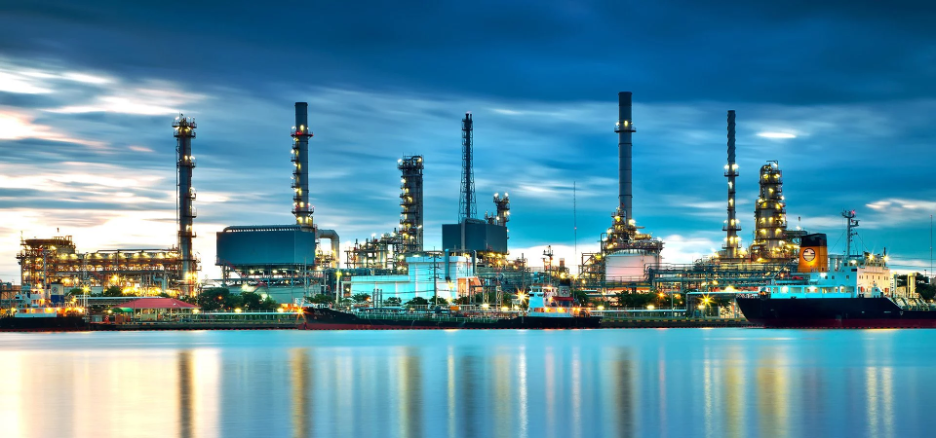
Vertical Integration Economics: Mining-to-Chemicals Cost Advantages
At the core of Anchorage’s strategy lies a strong commitment to vertical integration, extending from mineral extraction to high-value chemical production. By controlling the supply chain from quarry to finished product, Anchorage Investment led by Dr. Ahmed Moharram, reduces procurement costs, supplier margins, and exposure to raw material price volatility. Minerals such as limestone, silica, and gypsum are sourced from company-operated sites located near processing facilities, minimizing transport costs and logistical complexity.
This integrated structure provides a stable and predictable cost base, strengthening margins in global chemical markets that are often cyclical and uncertain. At the same time, it enables sustained investment in advanced technologies, research and development, and workforce specialization, reinforcing Anchorage’s long-term competitiveness.
Captive Feedstock Security: Guaranteed Supply for Competitiveness
Beyond cost efficiency, vertical integration ensures reliable feedstock security. In an era shaped by supply chain disruptions and geopolitical uncertainty, uninterrupted access to essential raw materials is a strategic advantage. Anchorage’s facilities are insulated from external shortages and delivery delays, allowing for consistent production runs and optimized capacity utilization.
This operational continuity supports dependable delivery schedules and builds trust among international partners and investors. By securing its own mineral inputs, Anchorage strengthens both resilience and market credibility.
Co-Location Strategy: Proximity Advantages in Egypt
Anchorage’s co-location strategy further enhances operational efficiency. Mining operations, beneficiation plants, and downstream chemical units are positioned in close proximity, significantly reducing internal transportation requirements, energy use, and associated emissions.
Egypt’s geographic position at the crossroads of Africa, Asia, and Europe amplifies this advantage by facilitating streamlined access to export markets and major shipping routes. Beyond logistics, the concentration of operations fosters shared infrastructure, technical collaboration, and the development of a skilled industrial ecosystem that improves responsiveness and reduces time-to-market.
Limestone-to-PVC Chain: Integrated Value Creation
Limestone forms the backbone of one of Anchorage’s most illustrative value chains. After extraction, high-purity limestone is processed into quicklime, which supports calcium carbide production and ultimately the manufacture of vinyl chloride monomer (VCM), the precursor to polyvinyl chloride (PVC).
PVC remains a critical material across construction, automotive, and packaging sectors. By managing each stage of the limestone-to-PVC chain, Anchorage maintains quality control, enhances cost efficiency, and secures supply reliability for a polymer that underpins regional infrastructure growth.
Silica Beneficiation for Specialty Chemicals
Egypt’s high-purity silica sands provide Anchorage with a pathway into specialty chemical markets. Through advanced beneficiation processes, silica is refined for use not only in glass manufacturing but also in silicones, silicates, and fumed silica.
These materials serve industries ranging from electronics to personal care, allowing Anchorage to diversify beyond bulk commodities into higher-margin, technology-driven segments. This shift strengthens the company’s competitive positioning while expanding its industrial footprint.
Gypsum-Sulfuric Acid Integration for Fertilizers
Gypsum and sulfuric acid integration represents another pillar of Anchorage’s efficiency strategy within its fertilizer operations. Sulfuric acid, produced on-site, plays a critical role in processing phosphate rock into phosphoric acid. Meanwhile, gypsum generated during this process is effectively managed and repurposed where possible, reducing waste and supporting downstream applications.
By integrating sulfuric acid production within the complex, Anchorage secures supply for a key reagent while enhancing resource efficiency and environmental performance.
Phosphate-to-Fertilizer: Complete Value Chain
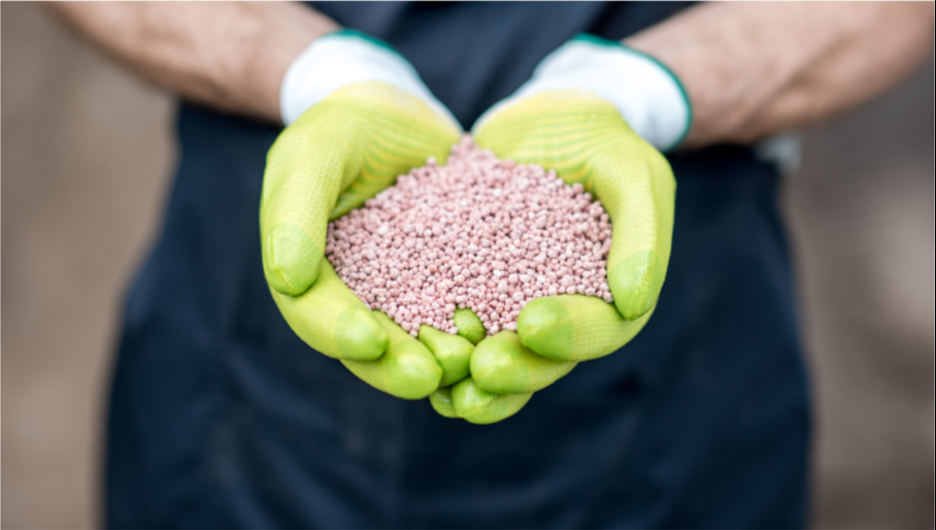
Building on this integration, Anchorage operates a fully developed phosphate-to-fertilizer value chain. Phosphate rock is mined and beneficiated before conversion into phosphoric acid, which is then processed into essential fertilizers such as Diammonium Phosphate (DAP), Monoammonium Phosphate (MAP), and NPK (Nitrogen, Phosphorus, Potassium) blends.
Controlling each stage of production ensures product consistency, maximizes value extraction, and supports global agricultural supply chains. This comprehensive approach positions Anchorage as a significant contributor to regional food security and international fertilizer markets.
Industrial Symbiosis: By-Product Utilization
A hallmark of Anchorage’s advanced industrial design is its commitment to industrial symbiosis. By-products and excess energy from one process are redirected as inputs for another, reducing disposal requirements and improving overall resource utilization. Waste heat from high-temperature operations, for example, can be captured for steam generation, while gypsum streams can support construction material production.
Such interconnected design reflects a broader commitment to circular principles, transforming potential waste into productive value streams and lowering the environmental footprint of operations.
Carbon Mineralization: Emission Capture in Mining
Anchorage’s sustainability framework also includes carbon mineralization initiatives within its mining and processing activities. By reacting CO₂ emissions with mineral compounds to form stable carbonates, the complex aims to permanently sequester carbon at its source.
This approach moves beyond conventional mitigation measures toward practical carbon utilization, reinforcing environmental responsibility while maintaining industrial productivity.
Dual-Division Renewable Energy Strategy
Complementing these measures is Anchorage’s dual-division renewable energy strategy, which combines on-site generation with broader clean energy investments. Solar photovoltaic installations and wind capacity contribute directly to operational power needs, reducing carbon intensity and enhancing long-term energy price stability.
At the same time, participation in wider renewable projects supports Egypt’s national energy transition, aligning industrial growth with evolving global climate standards.
Final Thoughts
In conclusion, Anchorage’s integrated mining-petrochemical complex is more than just an industrial project; it is a blueprint for the future of sustainable heavy industry. Through its strategic vertical integration, meticulous value chain optimization, pioneering circular economy initiatives, and aggressive adoption of renewable energy, Anchorage is not merely participating in the global industrial landscape; it is actively shaping it.
By 2026, its operational model will undoubtedly serve as a shining example of how economic prosperity can be harmonized with environmental responsibility, cementing Egypt’s position as a global leader in advanced industrial development.